I Swear is a biographical drama that chronicles the formative years and adult life of John Davidson, a man whose life was significantly altered following a diagnosis of Tourette Syndrome at the age of 15. Set primarily in Galashiels, Scotland, the narrative explores the physical and social ramifications of the condition during the late 20th century. The film tracks John as he navigates the volatile period of his adolescence, characterized by involuntary tics and vocal outbursts that invite intense public scrutiny and internal distress.
As the story progresses into his adult years, the focus shifts to John’s pursuit of a stable identity and social acceptance within a working-class environment. The screenplay details his interactions with family members and a community that is often ill-equipped to understand his neurological reality. Through a series of grounded sequences, the film depicts his resilience in the face of isolation and his eventual role in raising public awareness about his condition, moving beyond the stigma of his diagnosis. This film acts as a record of a specific time in Scottish social history, emphasizing the intersection of medical necessity and community support.
Why You Should Watch I Swear
This film provides a rigorous, unsentimental examination of Tourette Syndrome through the lens of a real-life subject. Unlike traditional medical dramas that rely on emotional manipulation, I Swear focuses on the factual difficulties of social navigation and the physical exhaustion associated with chronic neurological disorders. It serves as a historical record of the shifting perceptions regarding disability in the United Kingdom during the 1980s and 1990s. The clinical accuracy of the tics and the socioeconomic landscape are prioritized over cinematic flourishes.
The Performance of Robert Aramayo
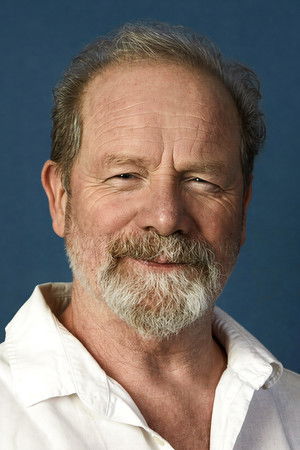
The central reason to view the film is the performance of Robert Aramayo as John Davidson. He provides a physically demanding portrayal that captures the involuntary nature of Tourette Syndrome without descending into caricature or parody. Aramayo conveys the constant state of muscle tension and the psychological fatigue required to manage the condition in public spaces. This performance is supported by a veteran cast including:
- Peter Mullan, who brings a grounded gravity to the family dynamics, representing the stoicism of the Scottish working class.
- Maxine Peake, portraying the complexities of a mother managing the fine line between protective instinct and encouraging independence.
- Shirley Henderson, whose presence reinforces the film’s authentic regional tone and deepens the domestic landscape.
Historical and Social Context
The film acts as a period piece that recreates the social climate of Galashiels during the time of the 1989 BBC documentary, John’s Not Mad. This documentary was a pivotal moment for John Davidson and the public understanding of Tourette Syndrome in Britain. The film explores the immediate aftermath of this media exposure, showing how John transitioned from a documentary subject to an independent adult with a public voice. It highlights several key themes:
- The impact of socioeconomic status on healthcare access and the quality of neurological care in the 1980s.
- The role of communal support in mitigating social isolation within industrial towns.
- The evolution of medical terminology and the slow progress of public education regarding brain disorders.
Directorial Approach by Kirk Jones
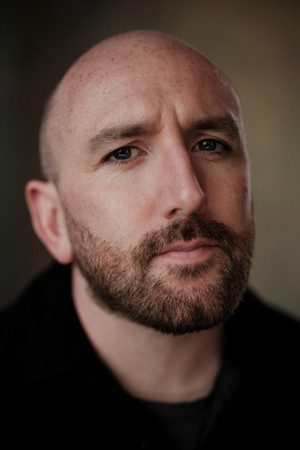
Director Kirk Jones avoids the pitfalls of sensationalism by maintaining a dry, objective camera style. The direction emphasizes the domestic and industrial landscapes of Scotland, which serves to ground the character’s internal struggle in a specific physical reality. The pacing reflects the long-term nature of John’s journey, allowing the audience to witness the gradual development of his coping mechanisms over several decades. The film benefits from Scott Ellis Watson’s presence in the production, ensuring the regional nuances and linguistic specificities are preserved. Each scene is framed to highlight the isolation John feels even when surrounded by people, using wide shots of the Scottish landscape to mirror his internal state.
Authenticity and Advocacy
The production collaborated with medical experts and Tourette Syndrome advocacy groups to ensure technical accuracy. This is evident in the depiction of the tics, which are shown as disruptive, painful, and exhausting rather than purely as a source of dialogue. The film rejects the “triumph over adversity” trope in favor of a more realistic “living with” narrative. It presents a world where the condition is not cured but is instead integrated into a meaningful life through persistence and community kindness. The focus remains on the dignity of the subject rather than the tragedy of the condition. By focusing on the daily logistics of living with a neurological disorder, the film provides a educational perspective that is rare in contemporary cinema.
Rated R. The official rating is for language throughout related to the medical symptoms of the subject.
Browse more curated picks in Movies and Now Playing.
For verified credits, release details, or official resources, visit IMDb and Official Site.
Is I Swear Safe to Watch? (Age Rating Guide)
Rated R.
| Director | Kirk Jones |
|---|---|
| Main Cast | Robert Aramayo, Maxine Peake, Peter Mullan, Shirley Henderson, Scott Ellis Watson |
| Release Year | 2026 |
| Genre | Drama, History |
Frequently Asked Questions
When was I Swear released?
I Swear was released on April 24, 2026.
Who directed I Swear?
Kirk Jones directed I Swear.
What is I Swear about?
I Swear is a biographical drama that chronicles the formative years and adult life of John Davidson, a man whose life was significantly altered following a diagnosis of Tourette Syndrome at the age of 15.
Where can I watch I Swear?
Official streaming platforms for I Swear have not been confirmed.