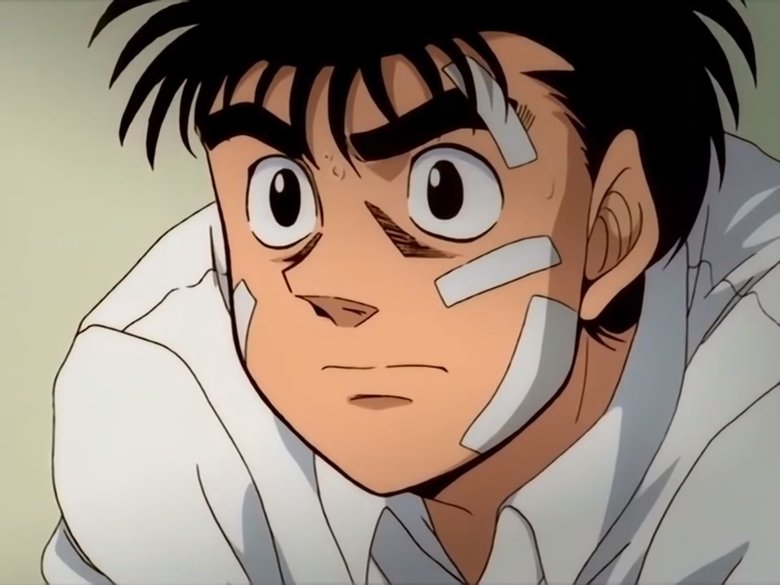
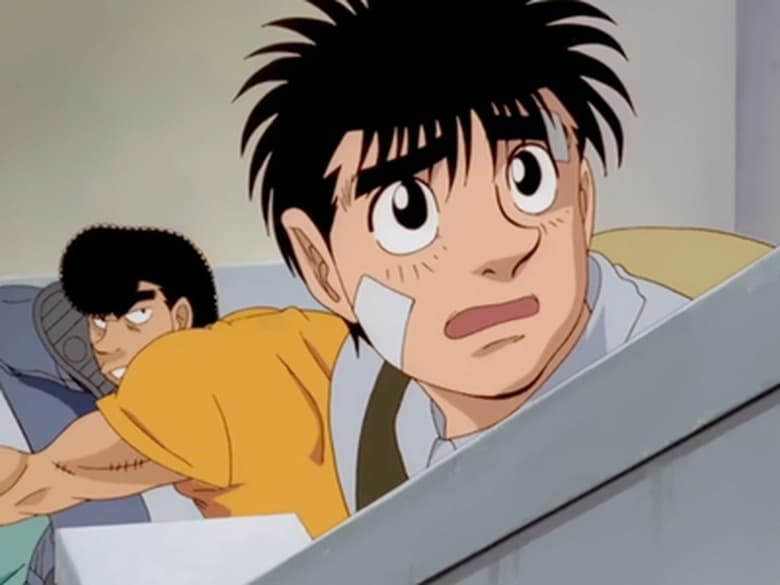
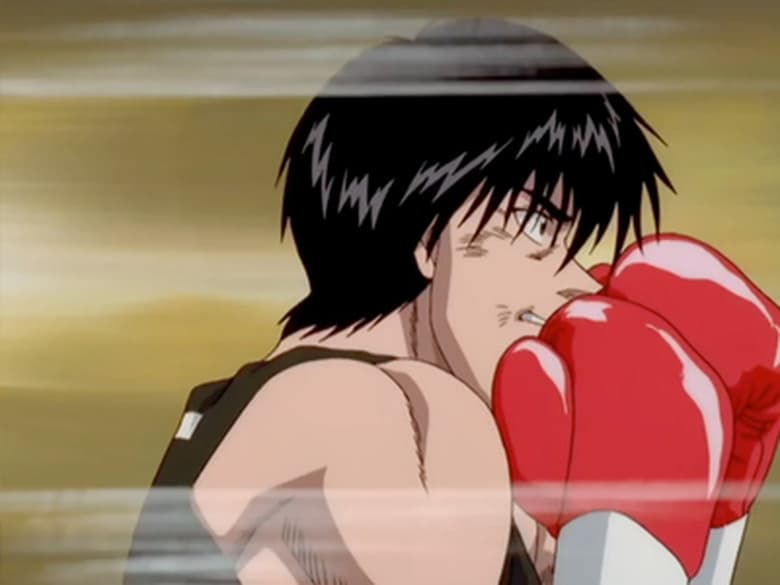
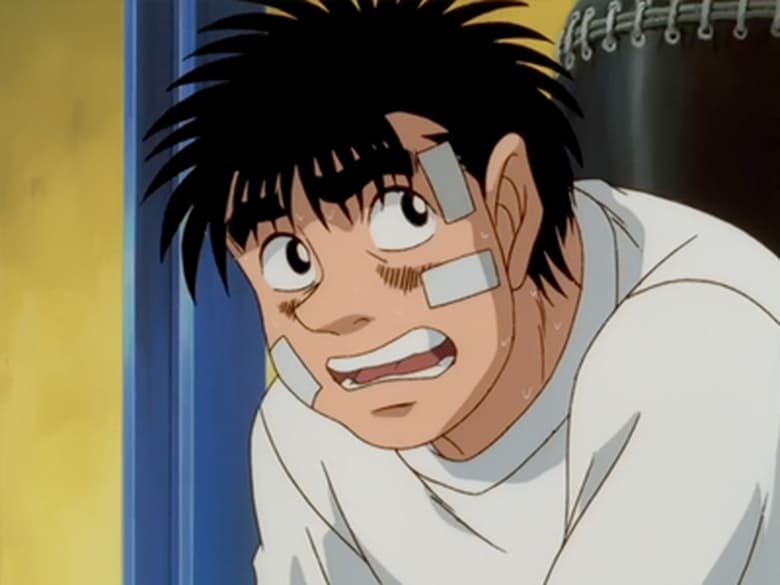
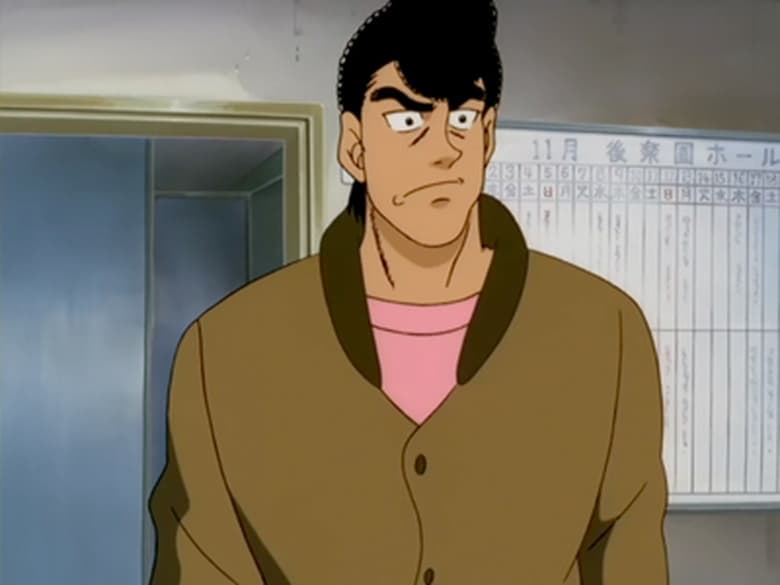
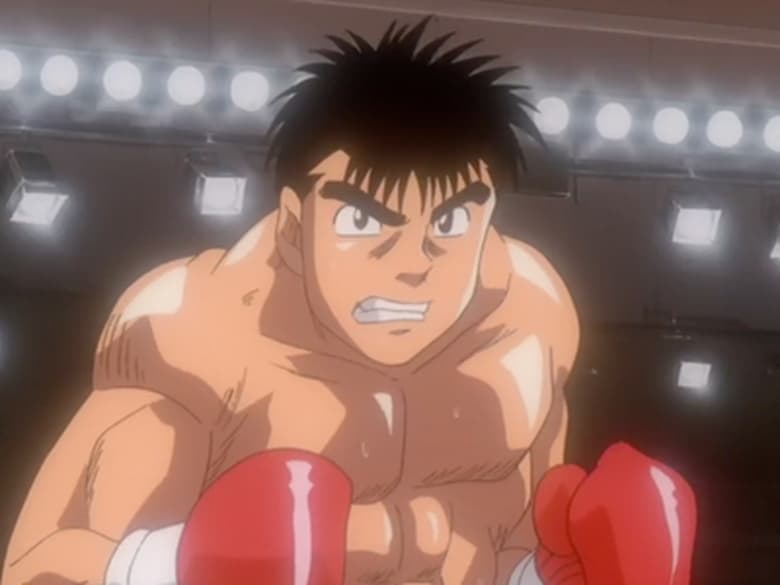
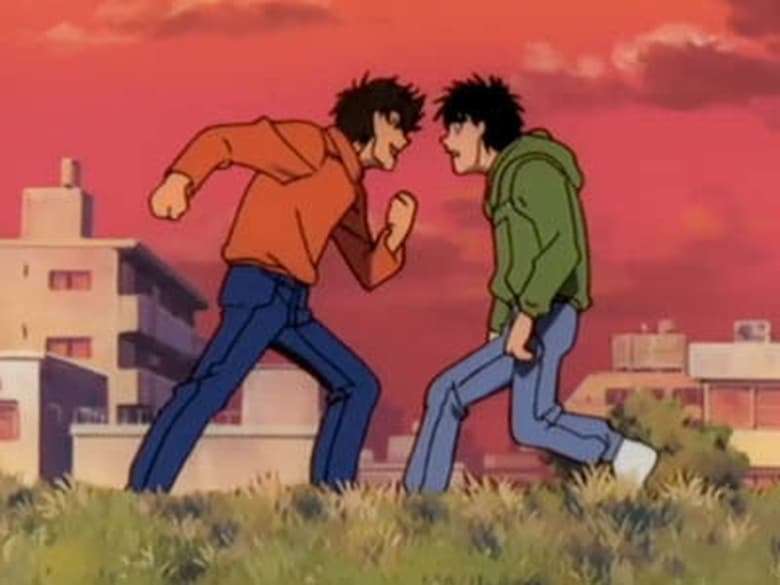
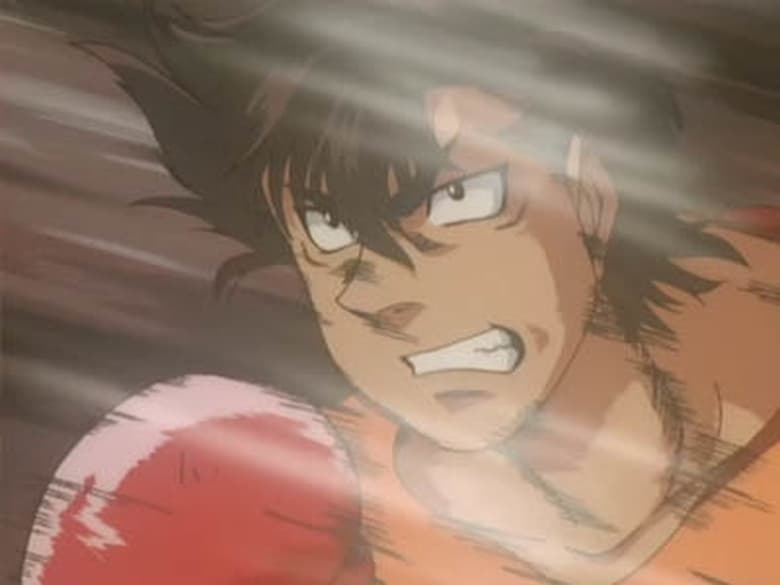
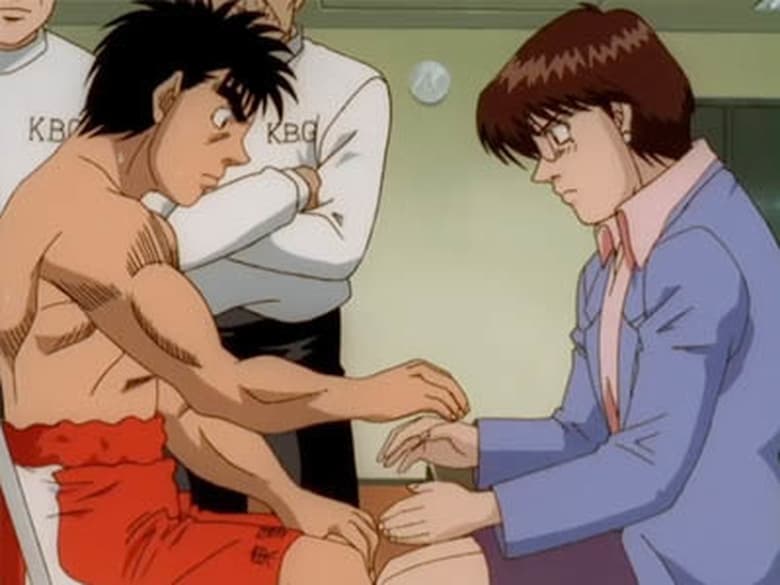
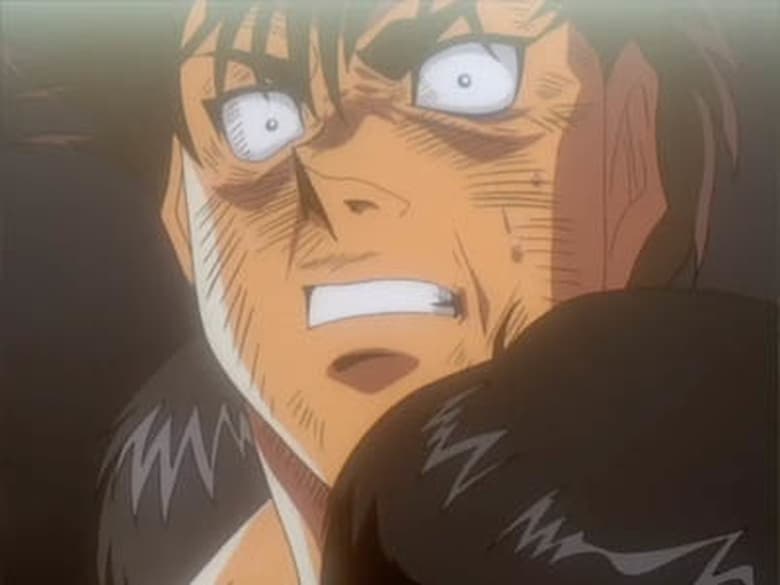
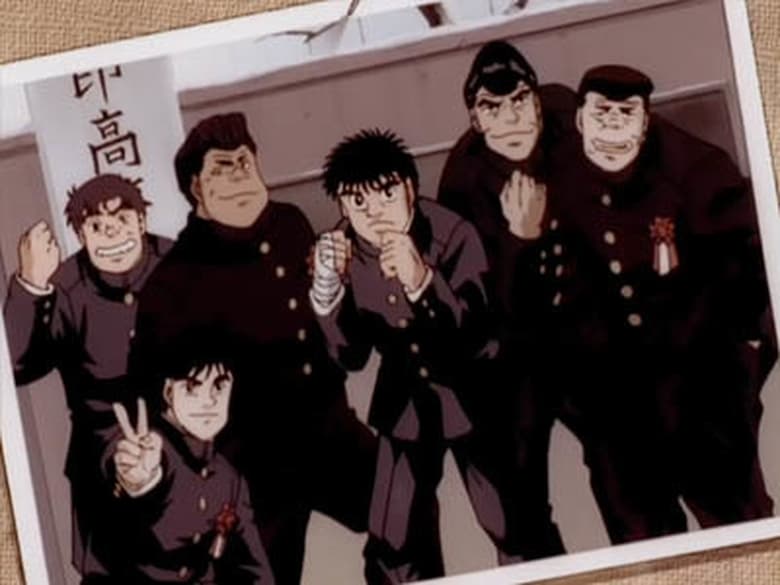
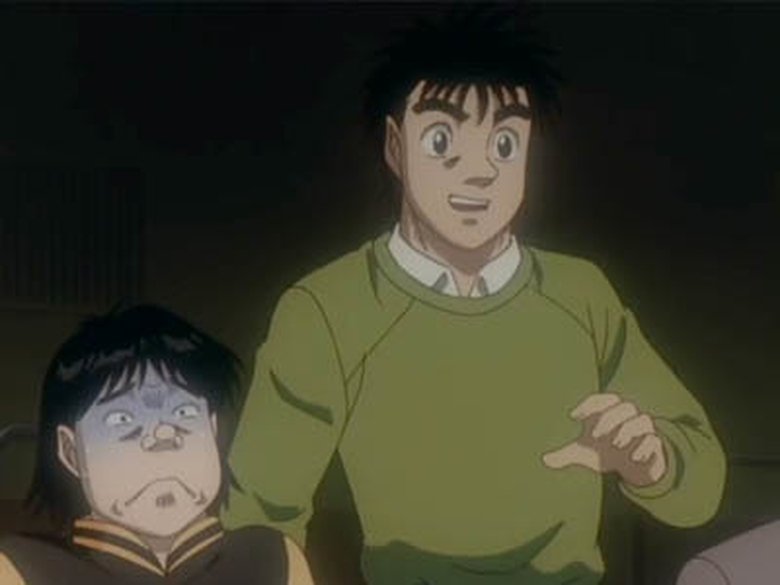
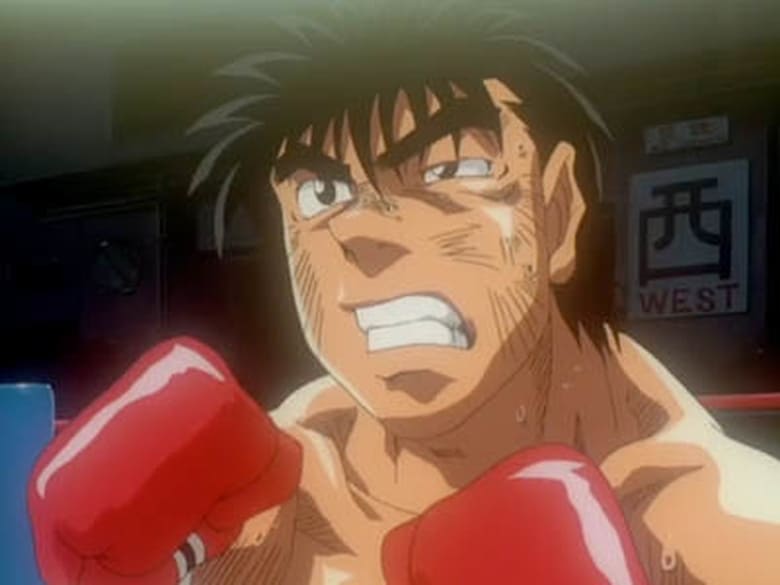
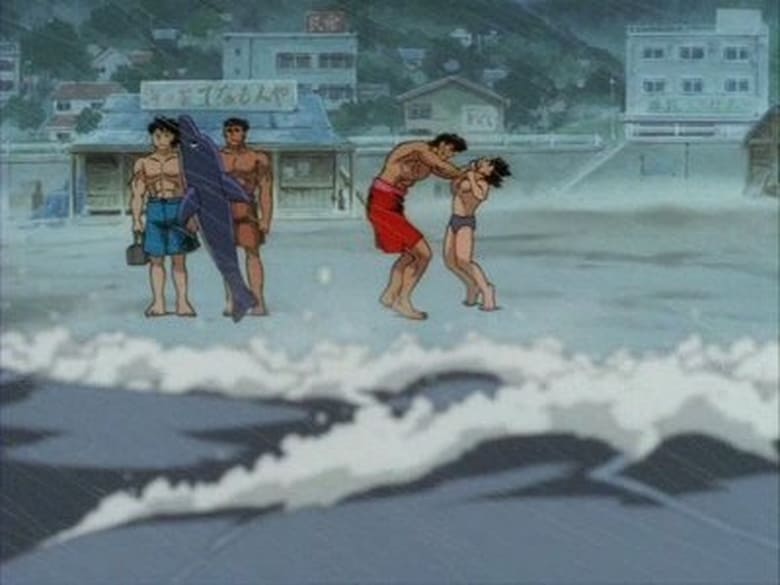
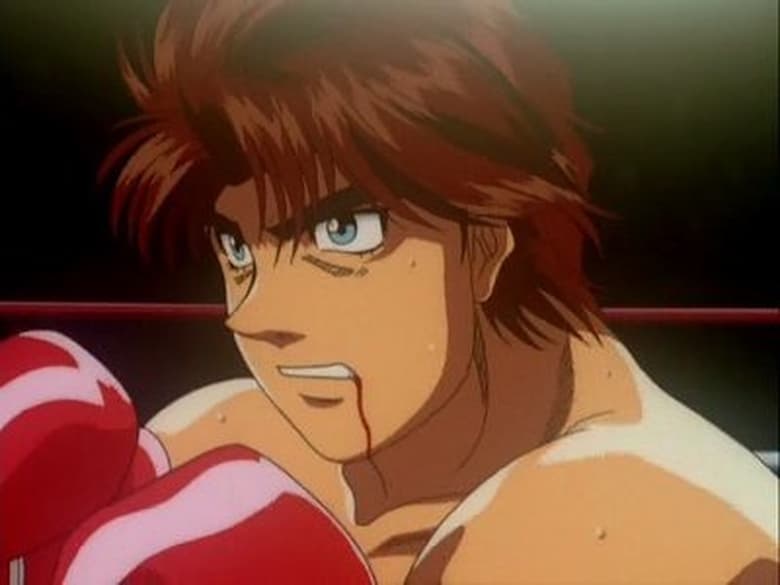
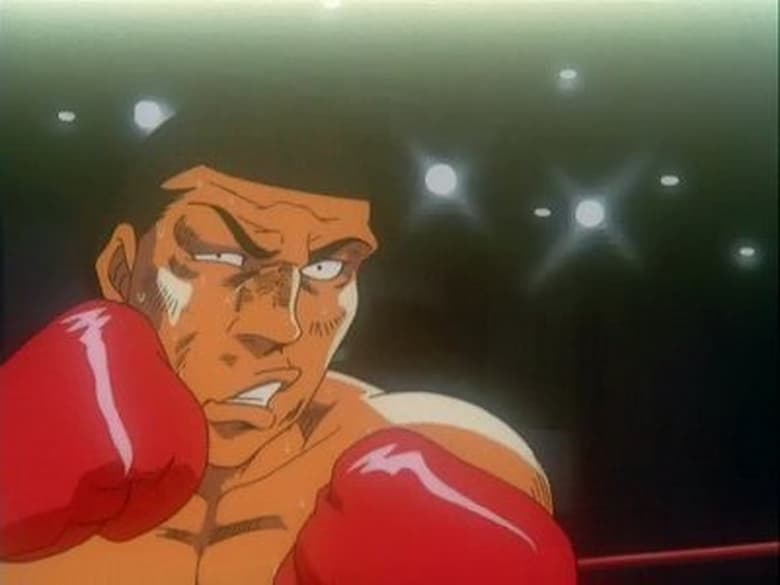
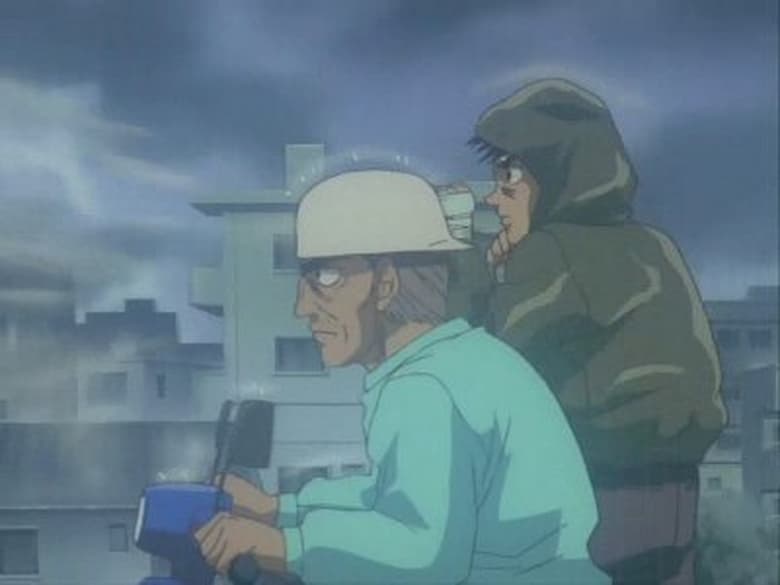
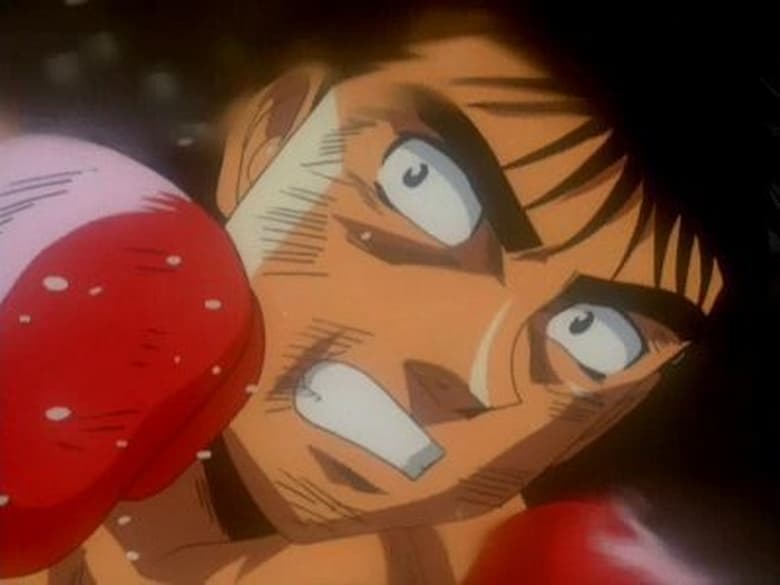
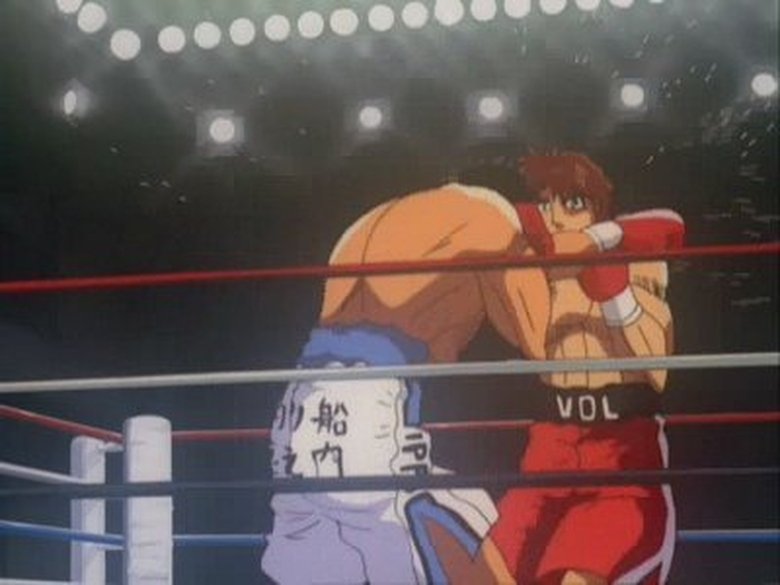
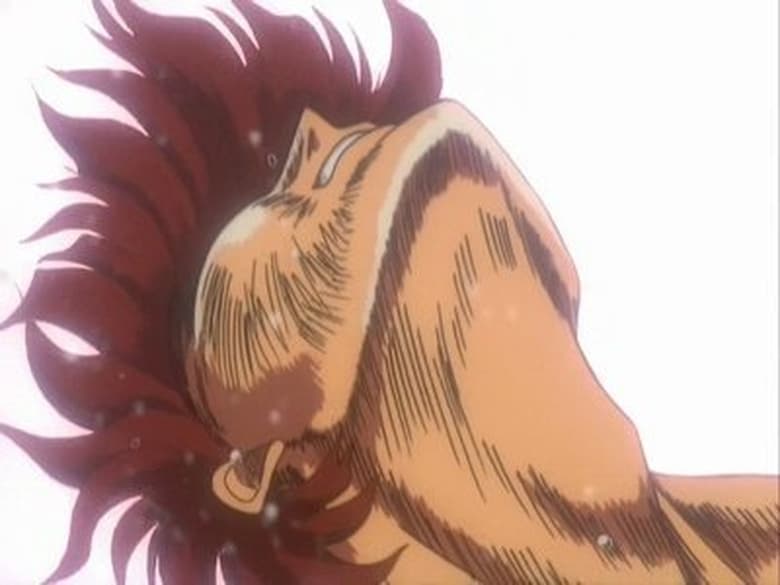
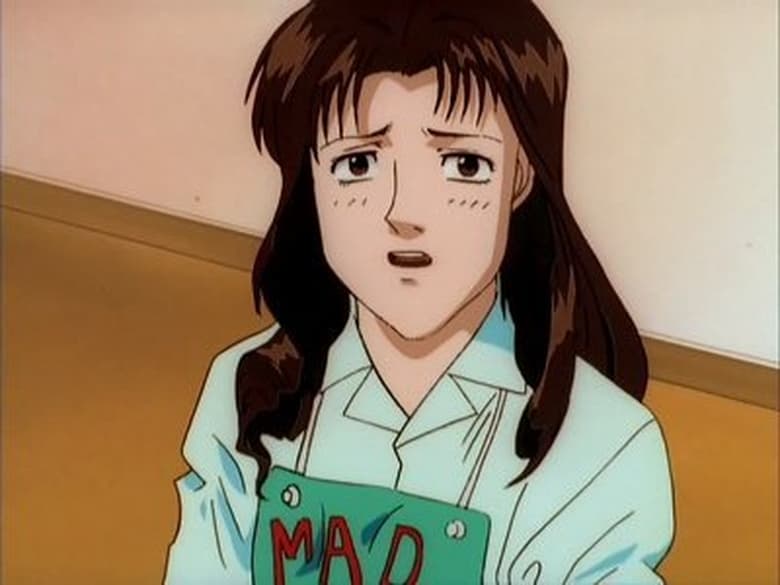
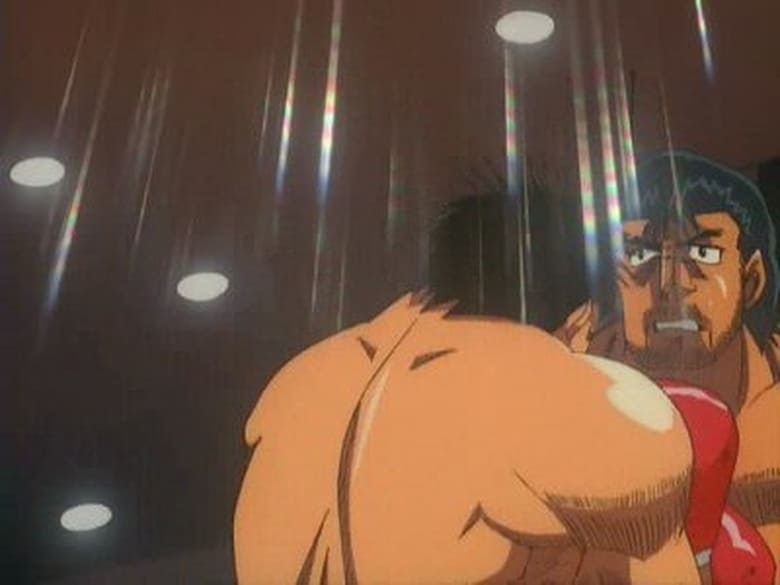
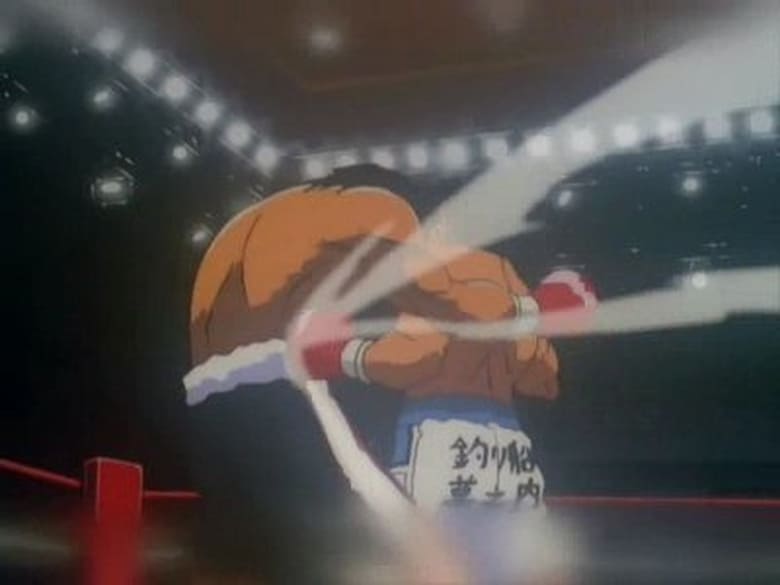
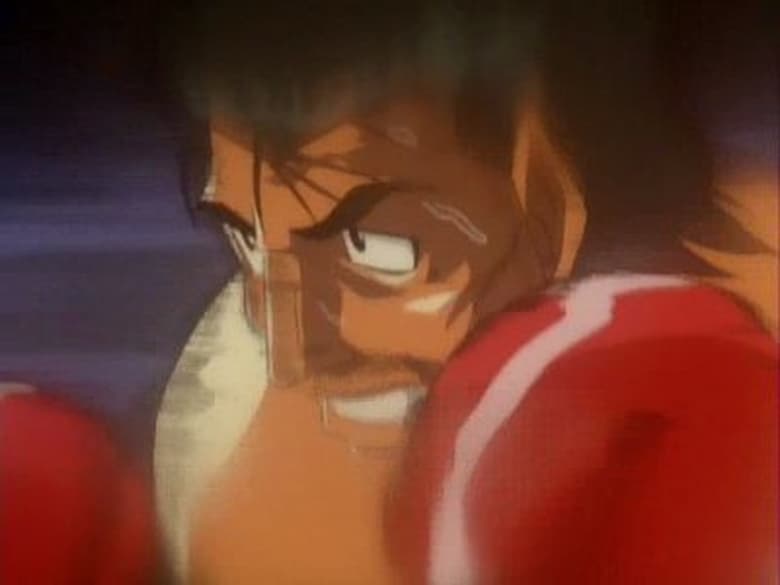
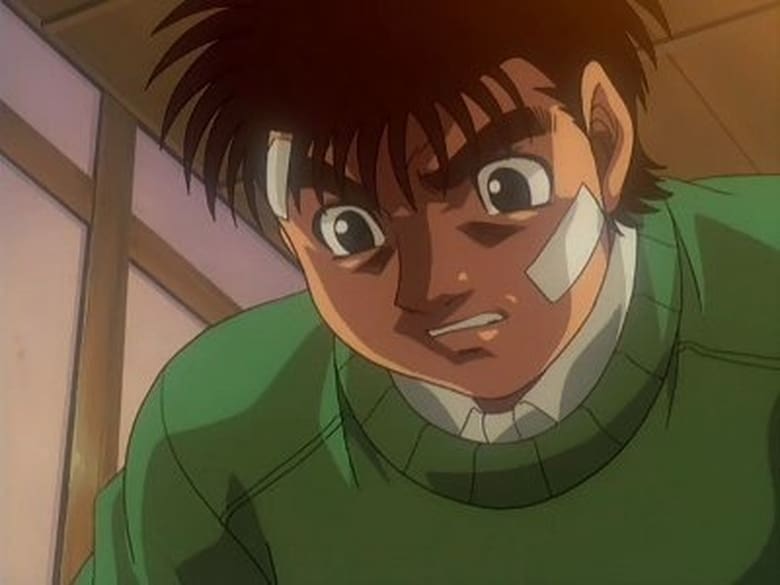
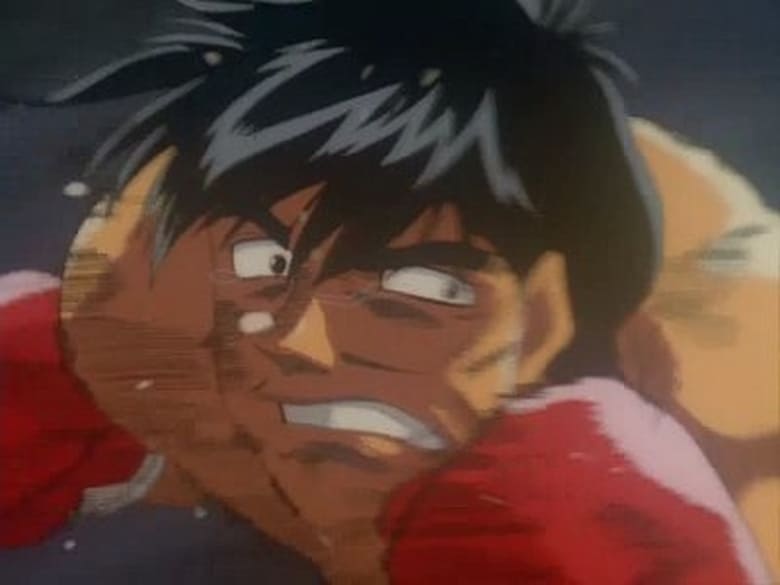
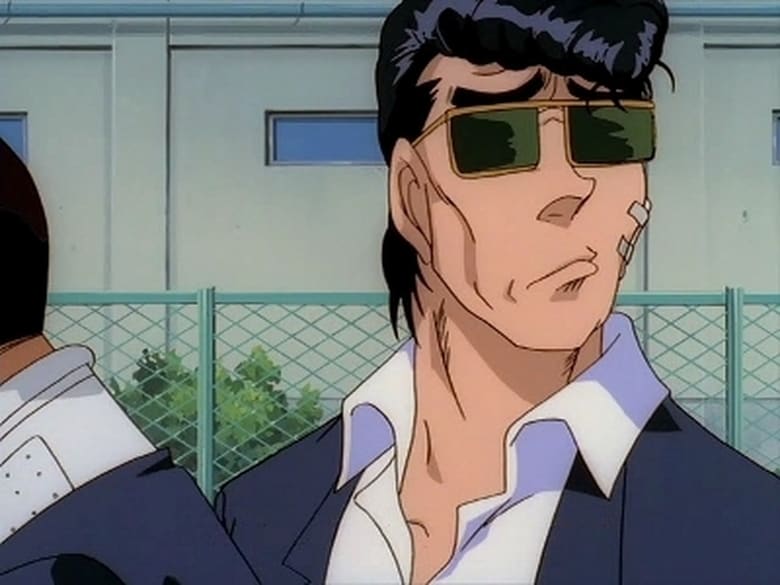
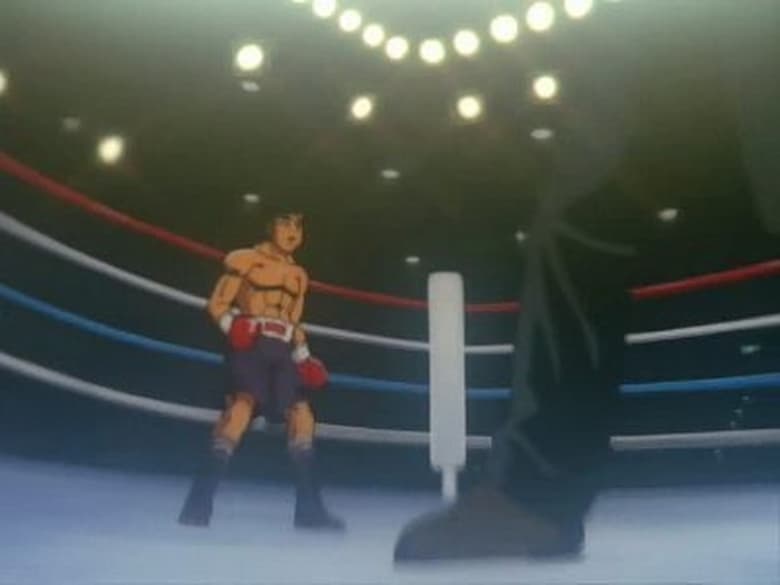
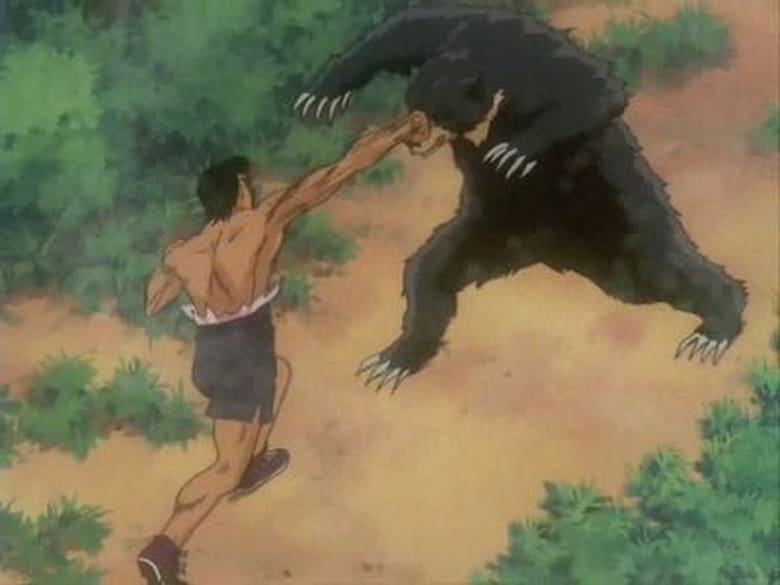
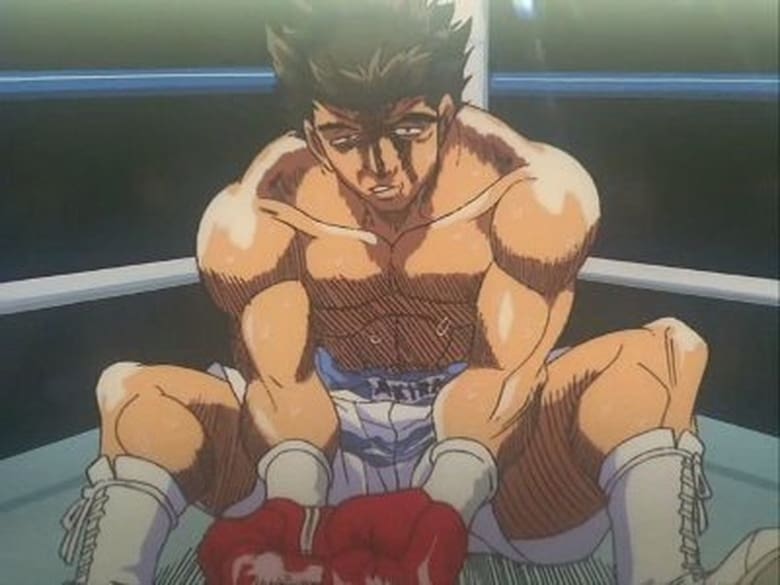
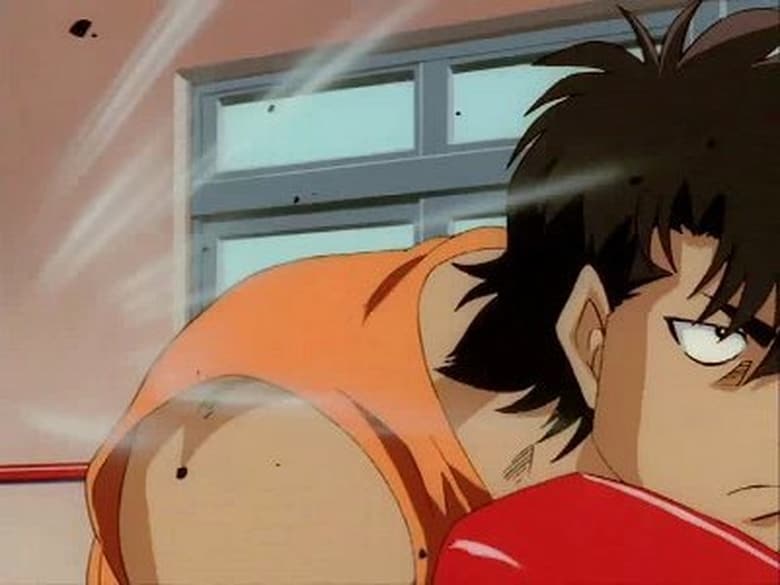
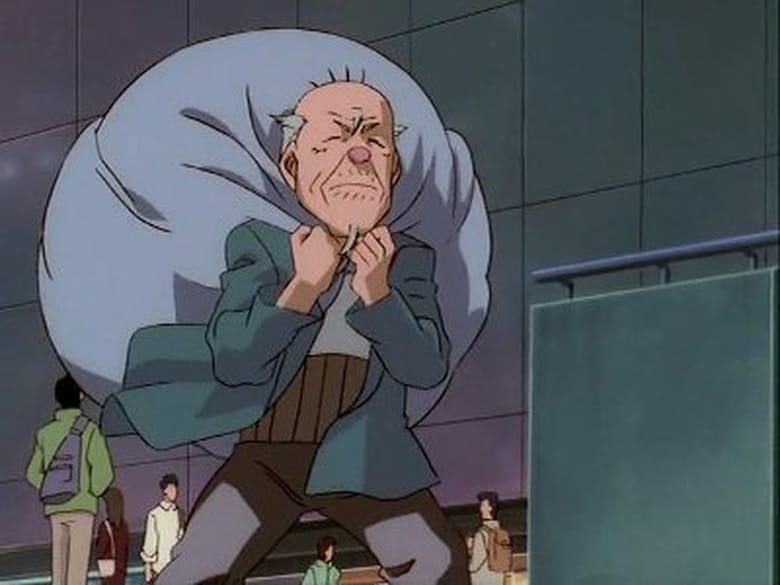
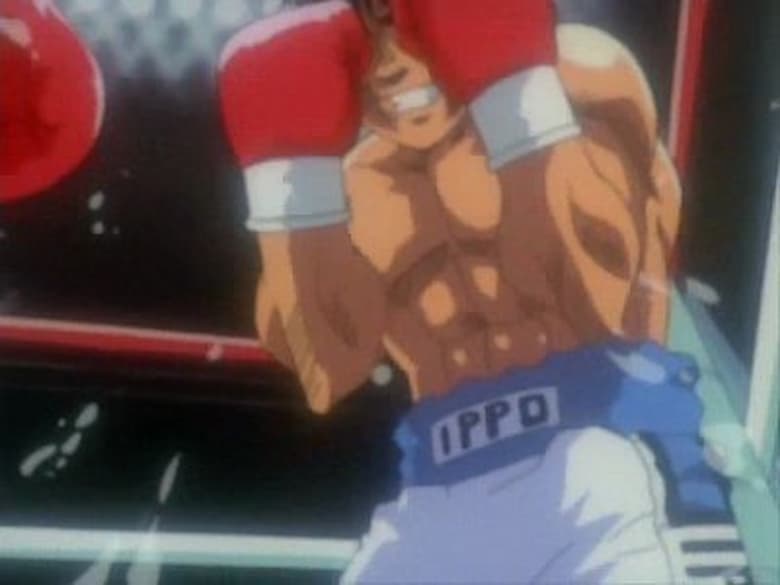
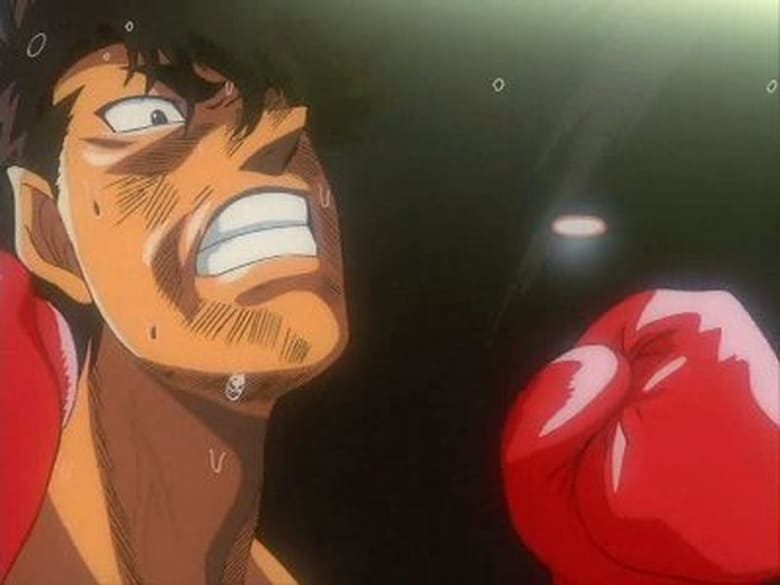
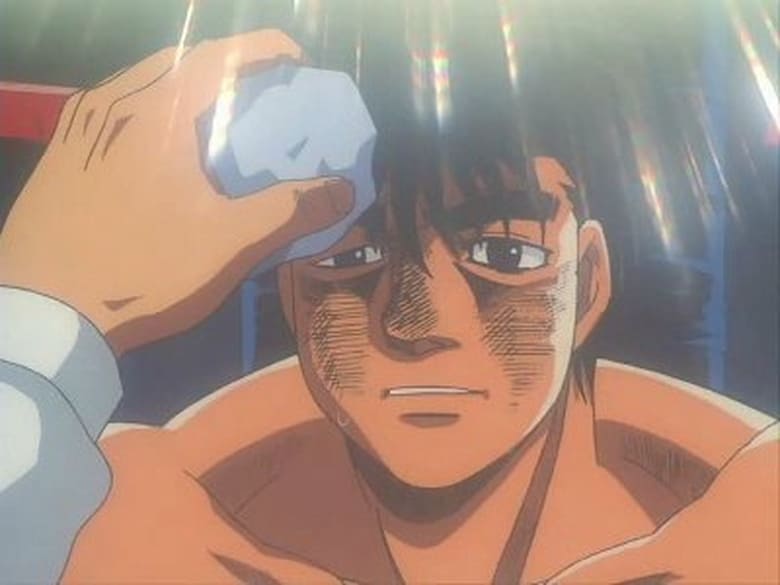
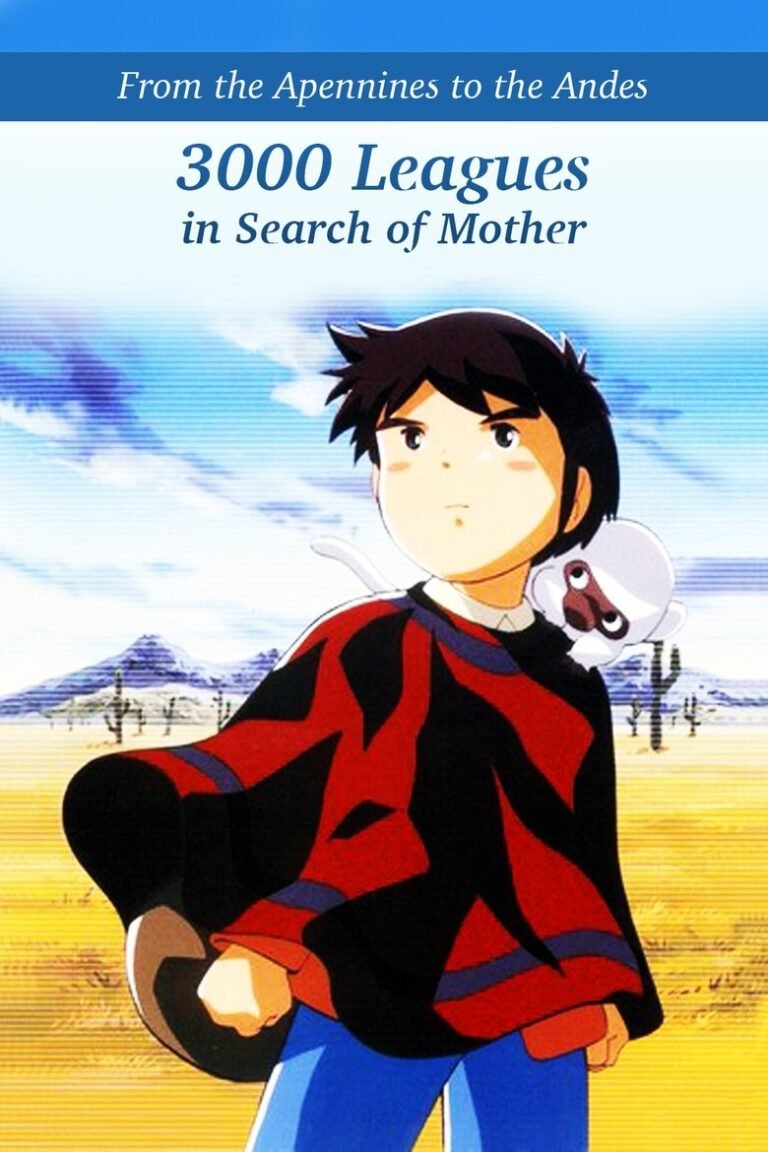
Fighting Spirit – Season 1 followed the life of Ippo Makunouchi, a shy high school student who spent most of his time helping his mother at their family fishing boat rental business. Because of his quiet nature and the smell of fish on his clothes, he was a frequent target for local bullies. His life changed when he was beaten near a bridge and rescued by a professional middleweight boxer named Mamoru Takamura.
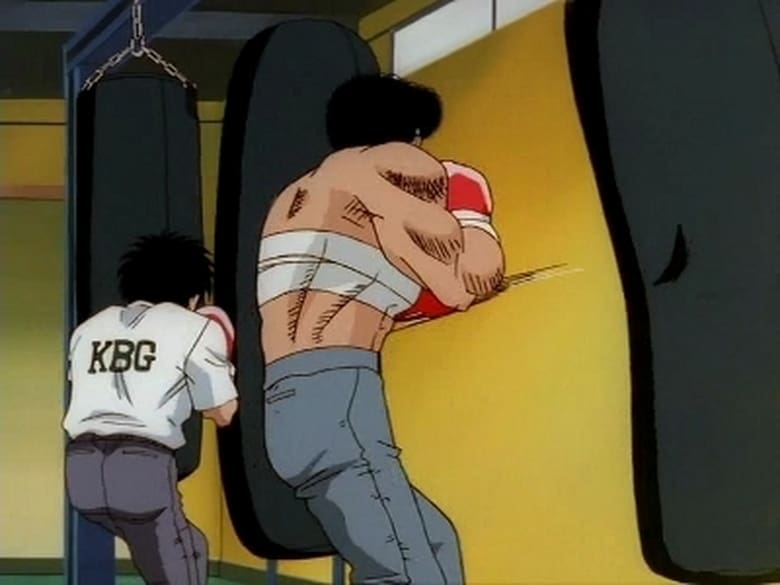
After the rescue, Takamura took an unconscious Ippo to the Kamogawa Boxing Gym to treat his injuries. When Ippo woke up, he was encouraged to hit a heavy bag as a way to vent his frustration. The power of his punch surprised the gym members and set him on a path to join the world of professional boxing under the guidance of Genji Kamogawa.
Why You Should Watch Fighting Spirit – Season 1
This series stood out among other TV Shows from the early 2000s because it focused on the technical realities of the sport. It did not rely on magical powers or unrealistic physics to tell its story. Instead, it showed the repetitive nature of training and the physical toll of competitive fighting.
The first season established a long-term character arc for Ippo Makunouchi. He transitioned from a person with no self-confidence into a disciplined athlete. This change happened slowly through 76 episodes of television, making his progress feel earned and grounded.
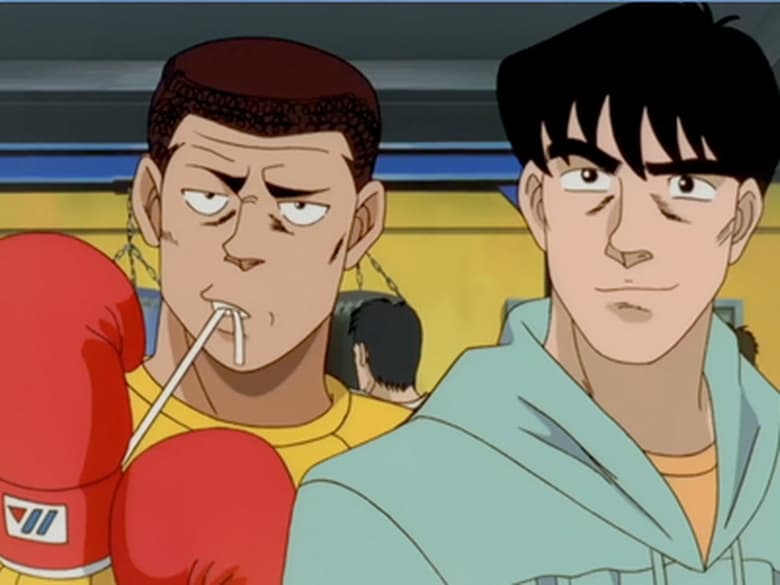
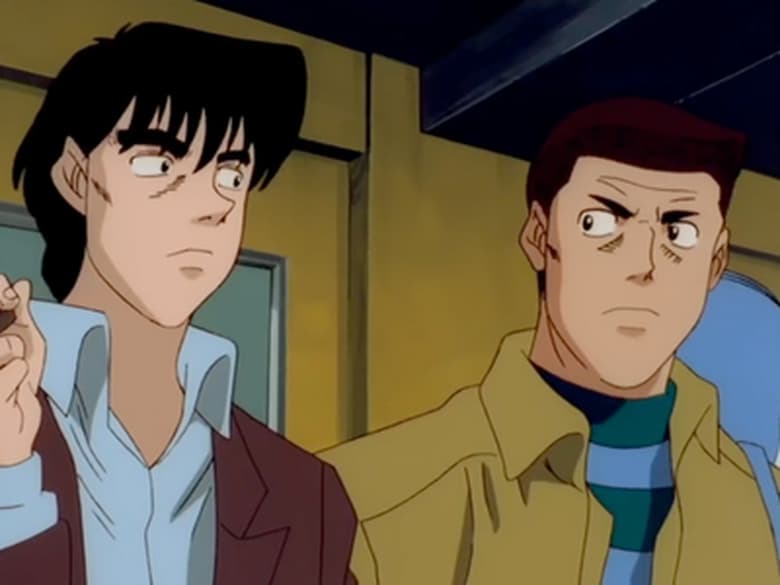
The humor provided by the supporting cast balanced the more serious boxing matches. Characters like Masaru Aoki and Tatsuya Kimura offered comic relief while showing the struggles of mid-tier professional boxers. Their presence made the Kamogawa Boxing Gym feel like a real community.
Technical Boxing Accuracy
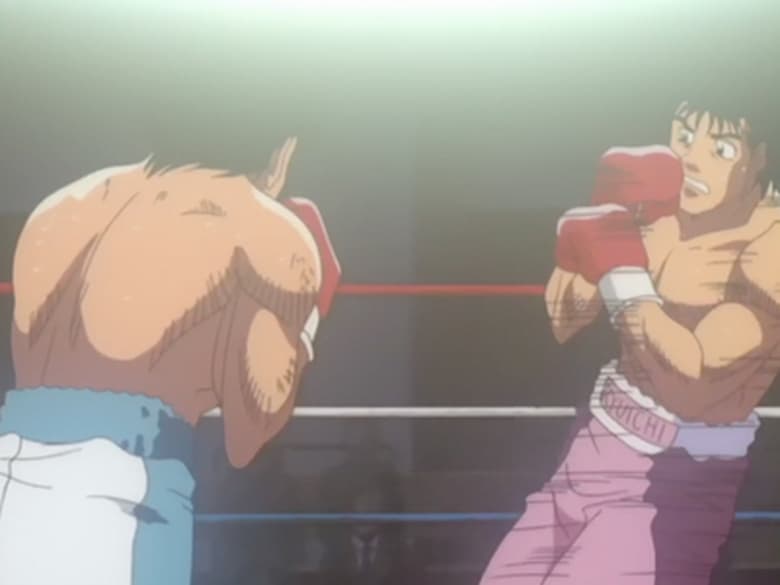
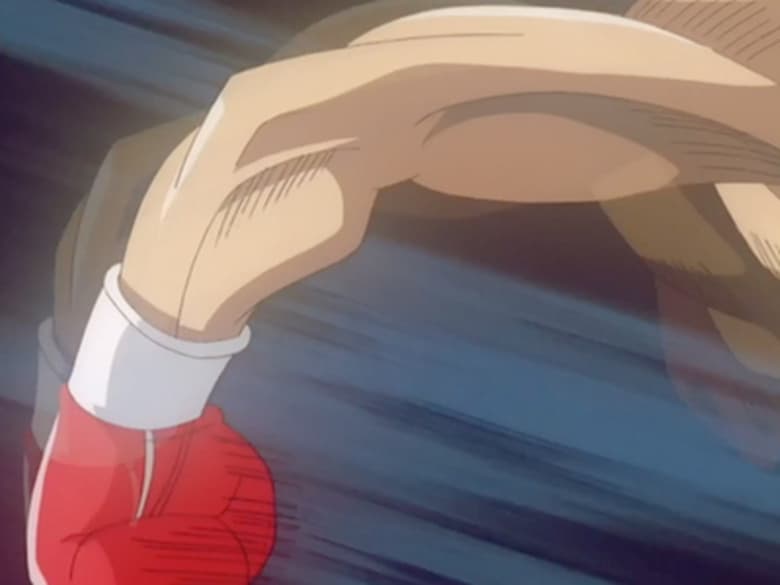
The production team worked to ensure the boxing mechanics were based on real-world logic. Each match featured specific strategies, such as the use of the jab to control distance or the bob and weave for defense. Viewers learned about the physics of weight transfer and how a boxer’s stance affected their power.
One of the most famous techniques shown was the Dempsey Roll. The show explained how the figure-eight movement of the torso generated momentum for hooks. It also detailed the strain this move put on a boxer’s legs and joints, highlighting the risks of such a high-level maneuver.
The season also addressed the difficult process of weight management. Characters had to go through rigorous diets and dehydration to meet their weight class requirements. These episodes showed that the fight often started weeks before the boxers entered the ring.
Character Motivation and Rivalry
The rivalry between Ippo and Ichiro Miyata served as the primary driver for the first half of the season. Miyata was a technical genius who relied on speed and counters. His disciplined approach contrasted with the natural strength and durability of Ippo.
Their initial spars at the gym created a mutual respect that defined their careers. Both characters looked for a professional match to prove who was the better fighter. This goal kept them motivated through their individual regional tournaments.
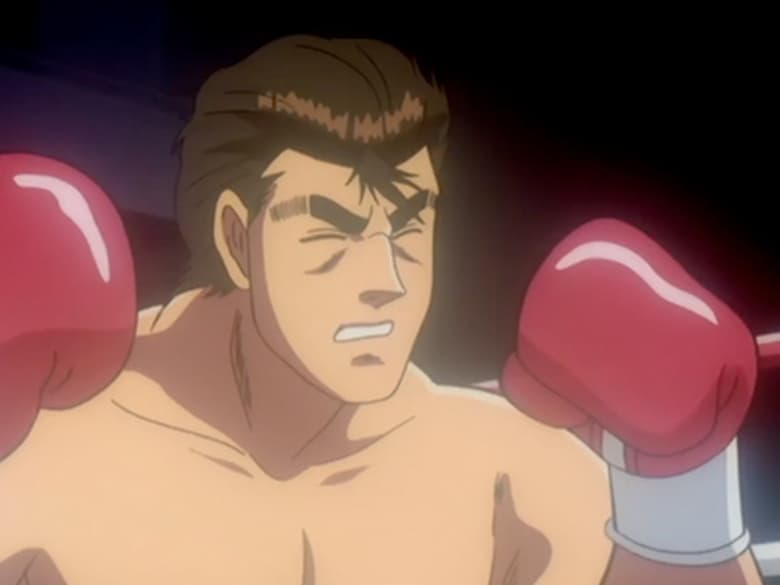
Other opponents, such as Takeshi Sendo and Ryo Mashiba, brought different styles to the ring. Mashiba used a flicker jab and long reach, while Sendo used aggressive power. Each opponent forced Ippo to adapt his style and learn new defensive techniques.
The Influence of Coach Kamogawa
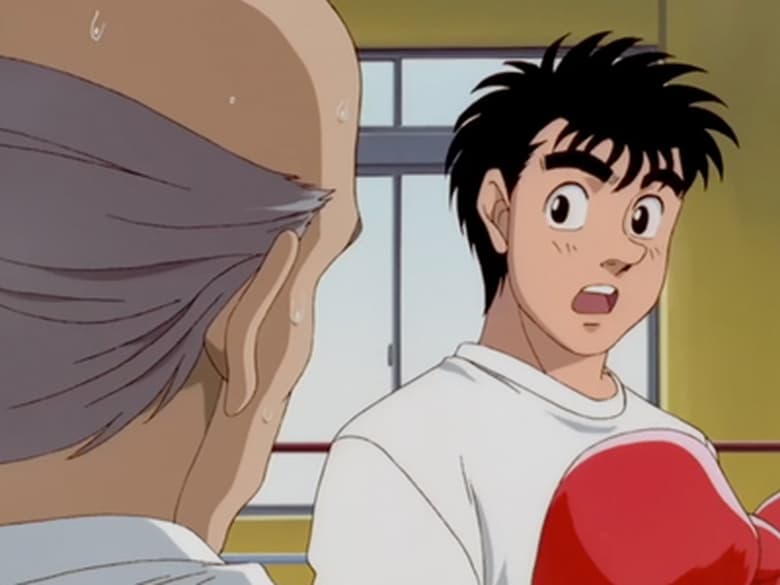
Genji Kamogawa was the mentor figure who shaped Ippo into a professional. He was a stern teacher who focused on the fundamentals of boxing. His training focused on building a strong foundation through roadwork and repetitive punch drills.
The relationship between the coach and the boxer was built on trust. Kamogawa often had to make hard decisions about when to let Ippo continue a fight and when to stop him. He prioritized the long-term health and career of his student over a single win.
His history as a boxer in the post-war era was also briefly explored. This background gave him a unique perspective on the meaning of the “fighting spirit.” He believed that technical skill was useless without the mental toughness to persevere through pain.
Animation and Production Value
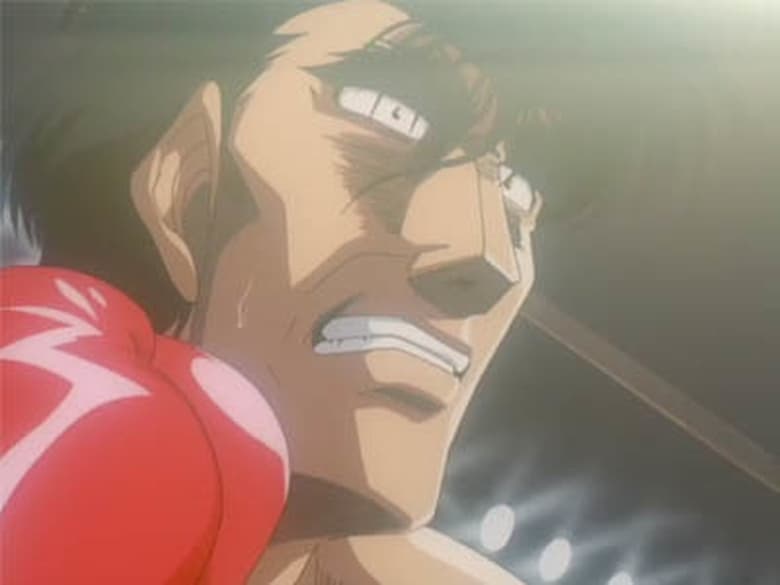
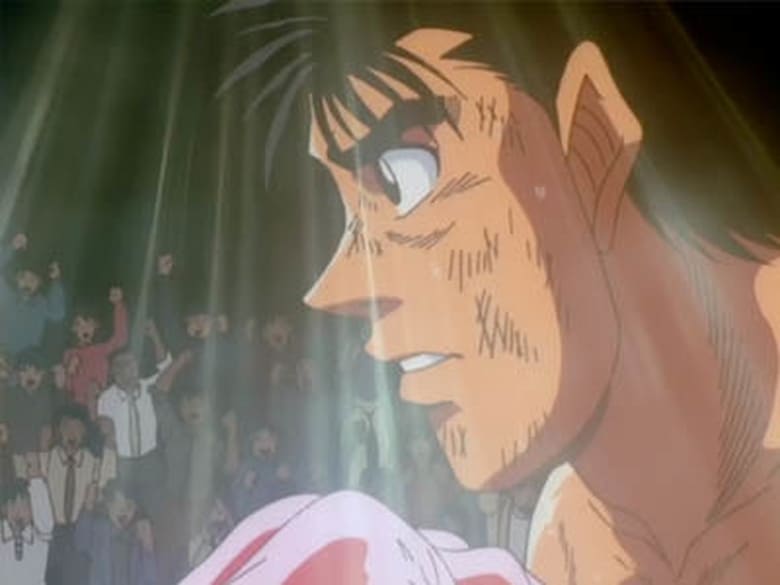
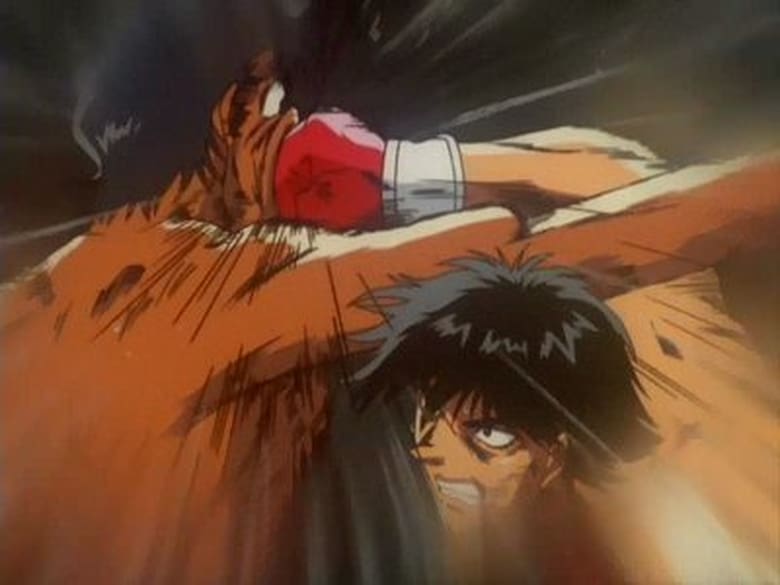
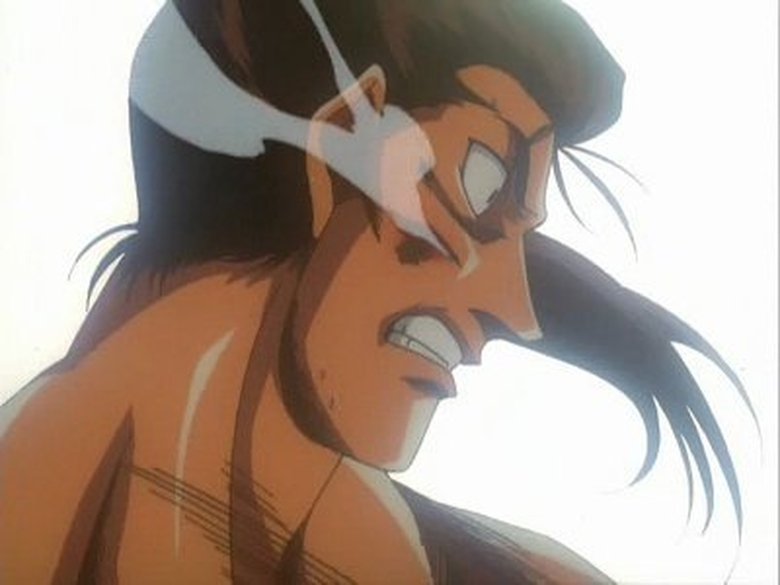
The animation for Fighting Spirit was handled by Madhouse. They were known for high-quality action sequences and detailed character designs. The studio used heavy lines and dynamic camera angles to emphasize the impact of every punch.
The sound design played a critical role in the viewing experience. Every hit sounded heavy and impactful, which helped convey the power of the boxers. The soundtrack used rock-influenced themes to build tension during the final rounds of a match.
The visual style remained consistent throughout the season. Even during non-action scenes, the character expressions and backgrounds were detailed. This helped maintain the serious tone of the series while allowing for expressive comedy when needed.
Is Fighting Spirit – Season 1 Safe to Watch? (Age Rating Guide)
Official age rating not available.
For verified credits, release details, or official resources, visit IMDb and Official Site.
| Director | Not available |
|---|---|
| Main Cast | Tomokazu Seki, Kohei Kiyasu, Rikiya Koyama, Wataru Takagi, Keiji Fujiwara |
| Release Year | 2000 |
| Genre | Action & Adventure, Animation, Comedy |
Frequently Asked Questions
When was Fighting Spirit – Season 1 released?
Fighting Spirit – Season 1 was released on October 3, 2000.
What is Fighting Spirit – Season 1 about?
Fighting Spirit – Season 1 is available on Flixr.
Where can I watch Fighting Spirit – Season 1?
Fighting Spirit – Season 1 is available on AsianCrush, Cineverse, and Crunchyroll Amazon Channel.