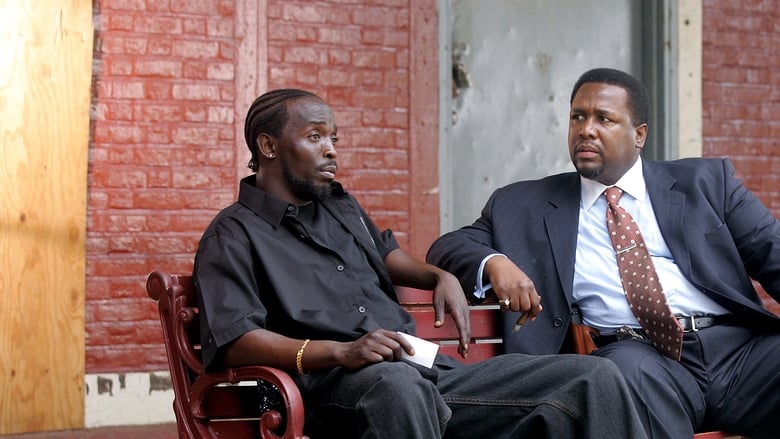
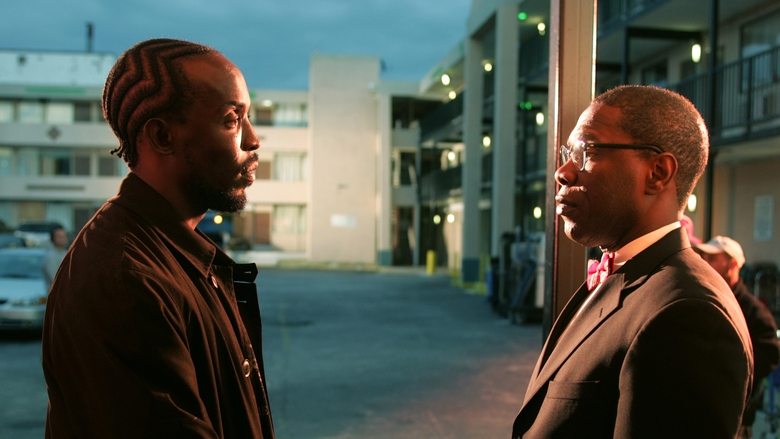
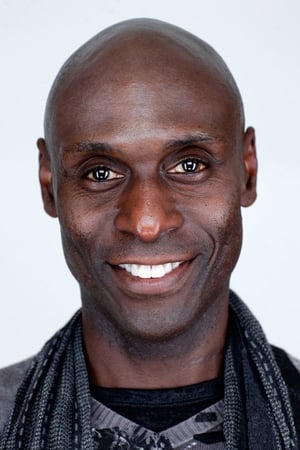
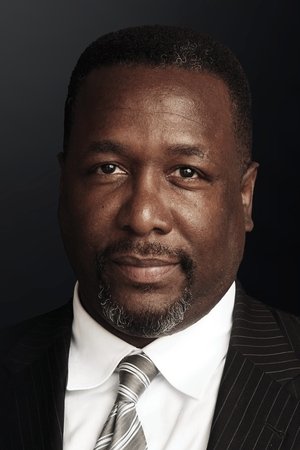
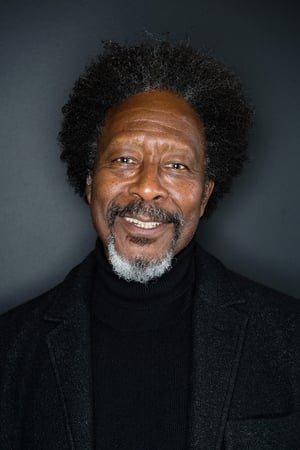
The Wire – Season 3, which premiered on September 19, 2004, marks a significant shift in the series’ exploration of Baltimore’s institutional decay. Following the demolition of the Franklin Terrace housing projects, the Barksdale drug organization is forced to adapt to a new landscape where they no longer possess a secure, vertical stronghold over the trade. This transition creates a volatile environment where the Major Crimes Unit, led by Cedric Daniels and Jimmy McNulty, must adapt their surveillance techniques to counter the rising use of disposable burner phones by street-level dealers.
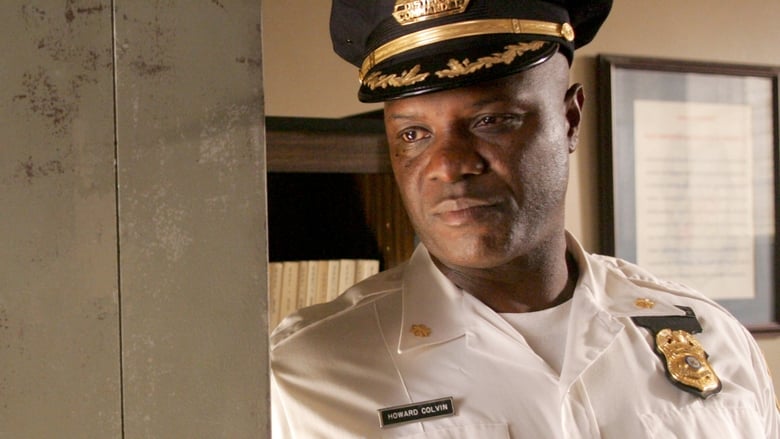
The season introduces Major Howard “Bunny” Colvin, a police commander who, frustrated by the futility of the traditional drug war, implements an unsanctioned experiment known as Hamsterdam. Simultaneously, Tommy Carcetti, an ambitious city councilman played by Aidan Gillen, begins his strategic rise within the Baltimore political machine, using the city’s spiraling homicide rate to challenge Mayor Clarence Royce. These intersecting narratives examine whether any individual can truly reform a broken system from within or if the institutions themselves are designed to resist change.
Why You Should Watch The Wire – Season 3
The Wire – Season 3 is widely regarded for its complex analysis of how political ambition and bureaucratic rigidity influence law enforcement and urban survival. It successfully bridges the gap between the street-level drug trade and the halls of municipal power, offering a cold and factual look at the failure of reformative policies.
The Ideological Rift: Stringer Bell vs. Avon Barksdale
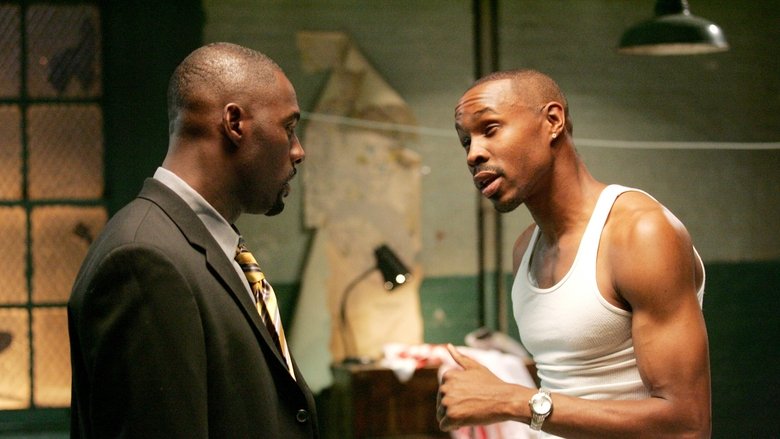
The core of the season is the deteriorating partnership between Stringer Bell and Avon Barksdale. Stringer, played by Idris Elba, attempts to transition the organization into a legitimate business entity through the New Day Co-op and real estate investment. He views the drug trade through a capitalist lens, favoring profit and stability over territory.
In contrast, Avon Barksdale, played by Wood Harris, maintains a traditionalist mindset, valuing street reputation and territorial control above economic efficiency. This fundamental disagreement creates an internal vacuum that allows more ruthless competitors to rise. Their conflict demonstrates the tension between emerging modern criminal structures and historical street codes.
The Hamsterdam Experiment
The Hamsterdam plot serves as a sociological study on the legalization and containment of narcotics. By moving the drug trade into isolated, vacant blocks, Major Bunny Colvin successfully lowers the crime rate in residential neighborhoods. This provides a temporary reprieve for the citizens living in high-crime sectors of West Baltimore.
However, this creates a concentrated zone of lawlessness that highlights the ethical failures of the city’s social services. The experiment proves that while police statistics can be manipulated to show success, the underlying human crisis remains unaddressed by the state. The eventual exposure of Hamsterdam leads to a political crisis that demonstrates the priority of optics over efficacy.
The Introduction of Marlo Stanfield
Season 3 introduces Marlo Stanfield, played by Jamie Hector, who represents a new, more nihilistic generation of criminals. Unlike the Barksdale crew, Marlo operates without regard for established street codes or diplomatic cooperatives. He refuses to join the New Day Co-op, choosing instead to escalate violence to achieve dominance.
His rise signifies the inevitable cycle of violence that occurs when one criminal empire collapses. The Major Crimes Unit struggles to track his movements, as his organization utilizes more disciplined and violent methods to maintain silence and control. Marlo’s ascent suggests that even when law enforcement succeeds in taking down one target, the replacement is often more efficient and brutal.
Political Realism and Municipal Decay
The political storyline involving Tommy Carcetti provides a detailed look at the machinery of a mayoral campaign. Carcetti recognizes the vulnerabilities in the current administration and uses the crime crisis as leverage. He strategically aligns himself with police commanders to gain insight into the department’s failures.
The narrative illustrates how policy decisions are often made to serve electoral optics rather than public safety. This results in immense pressure on police commanders like William Rawls and Ervin Burrell to produce “clean” numbers. This systemic corruption of law enforcement data ensures that institutional problems remain hidden from the public eye.
The Redemption of Dennis “Cutty” Wise
A significant subplot involves Dennis “Cutty” Wise, an ex-enforcer who struggles with re-entry after a fourteen-year prison sentence. Cutty initially attempts to return to the Barksdale organization but finds he no longer has the stomach for violence. His journey serves as a rare example of individual agency resisting the institutional cycle.
Eventually, Cutty opens a boxing gym to provide an alternative for local youths. This effort highlights the lack of resources for community-based prevention. It also provides a contrast to the high-level political and criminal machinations occurring elsewhere in Baltimore, focusing on the human scale of the urban crisis.
Technical Surveillance and the Major Crimes Unit
The Major Crimes Unit continues its long-term investigation into the Barksdale family. Their work is complicated by the proliferation of disposable “burner” phones, which make traditional wiretapping nearly impossible. The season details the painstaking legal work required to obtain warrants for these short-lived devices.
Officers like Lester Freamon and Roland “Prez” Pryzbylewski focus on the flow of money rather than just the flow of drugs. Their meticulous analysis reveals the connection between the street trade and legitimate political donors. This connection suggests that the drug trade is deeply integrated into the city’s economic infrastructure.
Core Themes of Season 3
- Reform and Resistance: The season examines how institutions like the BPD and the Mayor’s Office actively suppress reform.
- Capitalism vs. Territory: The conflict between Stringer and Avon represents the evolution of illegal markets.
- The Futility of the Drug War: Hamsterdam demonstrates that prohibition may be the primary driver of urban violence.
- The Cost of Ambition: Tommy Carcetti’s rise shows how personal goals can compromise the common good.
Age Rating and Content Information
Official Rating: TV-MA. This rating is applied due to graphic violence, pervasive strong language, drug use, and adult content. The season maintains a dry and realistic tone, avoiding sensationalism while depicting the harsh realities of urban conflict and police work.
Is The Wire – Season 3 Safe to Watch? (Age Rating Guide)
Official age rating not available.
Browse more curated picks in The Wire and TV Shows.
For verified credits, release details, or official resources, visit IMDb and Official Site.
| Director | Not available |
|---|---|
| Main Cast | Dominic West, Lance Reddick, Sonja Sohn, Wood Harris, Wendell Pierce |
| Release Year | 2004 |
| Genre | Crime, Drama |
Frequently Asked Questions
When was The Wire – Season 3 released?
The Wire – Season 3 was released on September 19, 2004.
What is The Wire – Season 3 about?
The Wire – Season 3, which premiered on September 19, 2004, marks a significant shift in the series' exploration of Baltimore's institutional decay.
Where can I watch The Wire – Season 3?
The Wire – Season 3 is available on Amazon Video, Apple TV, and Fandango At Home.