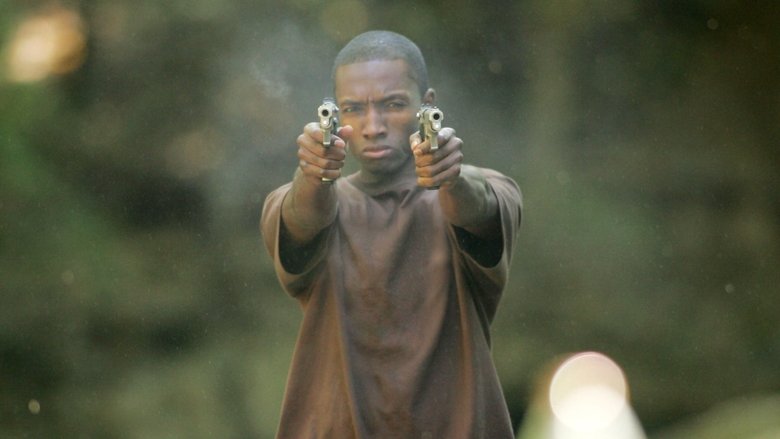
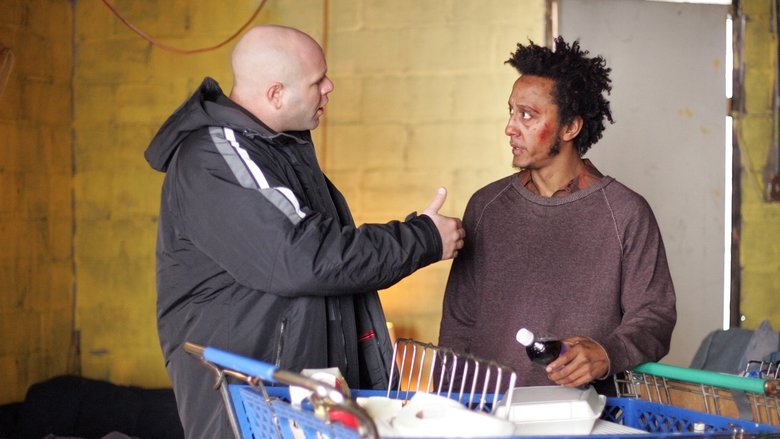
The Wire – Season 4 debuted on HBO in 2006, shifting its focus toward the Baltimore public school system. This season followed four young students as they navigated life in a city where the drug trade and institutional failure often dictated their futures. It also tracked the rising political career of Tommy Carcetti and the expansion of the Stanfield Organization.
The season functioned as a look at how social systems influenced the next generation. It introduced Michael Lee, Namond Brice, Randy Wagstaff, and Duquan “Dukie” Weems. These characters represented different paths available to youth in the West Baltimore area. The season showed how the police department, the mayor’s office, and the schools all struggled to address the same recurring issues.
Why You Should Watch The Wire – Season 4
This season is often cited as the high point of the entire series. It offered a detailed examination of how institutions failed the youth of Baltimore. By adding the perspective of middle school students, the show demonstrated how the “game” began for many young people before they even reached adulthood. It used the classroom as a setting to explain the cycles of poverty and crime seen in earlier seasons of The Wire.
The Role of the School System
The Baltimore school system served as the primary setting for the season. Former police officer Roland “Prez” Pryzbylewski started a new career as a math teacher at Edward J. Tilghman Middle School. His character arc showed the difficulty of teaching students who were already burdened by the stresses of the street. Prez attempted to find ways to engage students who felt the traditional curriculum had no value in their daily lives.
Alongside Prez, the season followed Howard “Bunny” Colvin. Colvin worked with a university professor to study at-risk youth. They separated the most disruptive students, often referred to as “corner boys,” into a special class. The goal was to see if different social interventions could change their trajectory. This subplot highlighted the friction between academic theory and the reality of the streets.
The Evolution of the Drug Trade
The drug trade changed significantly in Season 4. The Barksdale organization was gone, leaving a vacuum that Marlo Stanfield filled. Marlo, played by Jamie Hector, operated with more secrecy than his predecessors. He used abandoned houses, known as “vacancies,” to hide the bodies of his rivals. This tactic kept the city’s murder rate officially low while the actual violence remained high.
Chris Partlow and Snoop acted as Marlo’s primary enforcers. They were efficient and avoided the flashy lifestyle that led to the downfall of earlier kingpins. The Major Crimes Unit struggled to find evidence against Marlo because there were no bodies to be found on the streets. This created a new challenge for Lester Freamon and Bunk Moreland as they tried to solve disappearances without physical evidence.
Political Transitions in Baltimore
The political storyline followed Tommy Carcetti, a councilman running for mayor. Carcetti used the city’s crime statistics to challenge the incumbent, Mayor Clarence Campbell. His campaign showed the inner workings of racial politics and the compromises required to win an election in a divided city. Once in office, Carcetti faced the reality of a massive budget deficit in the school system.
This political failure had direct consequences for the police and the students. Carcetti had to choose between funding the schools or keeping his promise to give the police more resources. The choice he made affected every other character in the series. It showed that even leaders with good intentions were often trapped by the limitations of the system they served. This added a layer of realism to the TV shows landscape of that era.
Character Development and Transitions
The four boys at the center of the season each had a unique story. Namond Brice was the son of a high-ranking Barksdale soldier, but he did not have the temperament for street life. Michael Lee was a protective older brother who grew increasingly wary of the adults in his life. Randy Wagstaff was an enterprising student whose life was ruined after he was labeled a snitch by the police. Dukie Weems dealt with extreme poverty and a lack of support at home.
The season also saw changes for established characters like Bubbles and Detective Kima Greggs. Bubbles tried to mentor a young boy named Sherrod while struggling with his own addiction. Kima moved to the Homicide Unit, where she learned the difference between building a long-term case and solving a single murder. These personal stories grounded the larger institutional critiques in human emotion.
Is The Wire – Season 4 Safe to Watch? (Age Rating Guide)
Official age rating not available.
For verified credits, release details, or official resources, visit IMDb and Official Site.
| Director | Not available |
|---|---|
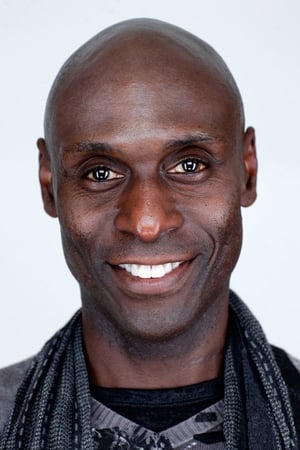
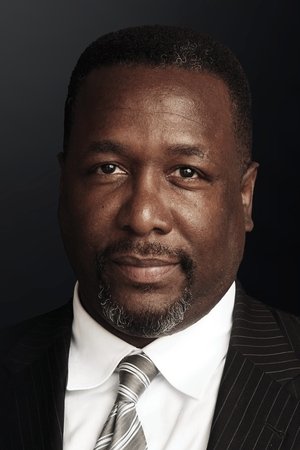
| Main Cast | Dominic West, Lance Reddick, Sonja Sohn, Wendell Pierce, Michael Kenneth Williams |
| Release Year | 2006 |
| Genre | Crime, Drama |
Frequently Asked Questions
When was The Wire – Season 4 released?
The Wire – Season 4 was released on September 10, 2006.
What is The Wire – Season 4 about?
The Wire – Season 4 debuted on HBO in 2006, shifting its focus toward the Baltimore public school system. This season followed four young students as they navigated life in a city where the drug trade and institutional failure often dictated their futures.
Where can I watch The Wire – Season 4?
The Wire – Season 4 is available on Amazon Video, Apple TV, and Fandango At Home.