The Wire – Season 5 served as the conclusion to the long-running HBO series focused on the city of Baltimore. This final chapter moved the focus toward the media industry by following the staff of the Baltimore Sun newspaper. The story showed how budget cuts and the pursuit of awards affected the quality of local news coverage.
While the newsroom took center stage, the season also resolved the long-standing conflicts involving the police and the drug trade. Jimmy McNulty and Lester Freamon resorted to extreme measures to bypass bureaucratic obstacles. Their actions had lasting consequences for the Major Crimes Unit and the political future of Mayor Tommy Carcetti.
Is The Wire – Season 5 Safe to Watch? (Age Rating Guide)
Official age rating not available.
Why You Should Watch The Wire – Season 5
This season provided a definitive ending to the intricate stories built over several years. It examined the relationship between the truth and public perception in a city struggling with systemic failure. Dominic West returned as Jimmy McNulty, whose frustration with the system reached a breaking point that drove the primary plot.
The addition of the media perspective allowed the series to show why certain problems in Baltimore remained unsolved. It showed how the pressure to sell newspapers or win prizes often outweighed the need for factual reporting. This theme mirrored the earlier seasons’ focus on police statistics and political polling.
Viewers saw the resolution of major character arcs that began in the pilot episode. The season maintained the show’s reputation for realism and avoided traditional happy endings. It focused on the cycle of the “game” where one set of players simply replaced another in the same broken system.
The Media Narrative and the Baltimore Sun
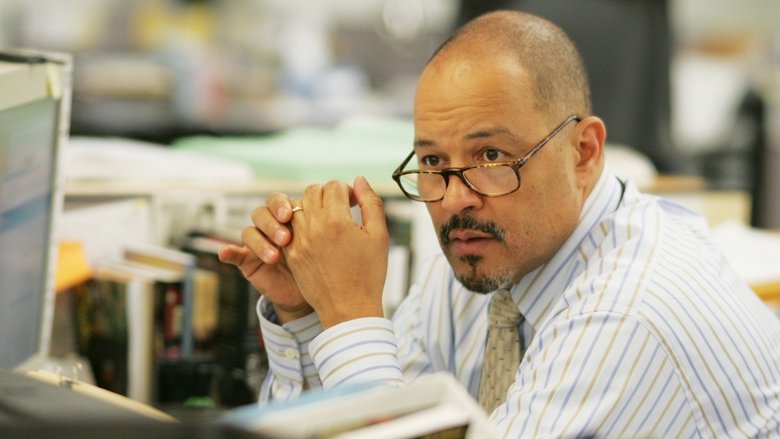
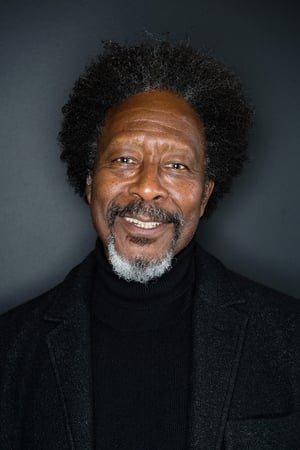
The introduction of Gus Haynes, played by Clark Johnson, gave a face to the traditional values of journalism. He stood in contrast to Scott Templeton, a reporter who began fabricating stories to advance his career. This conflict illustrated the internal rot of an institution that was supposed to hold others accountable.
The editors at the Baltimore Sun prioritized sensationalism over boring but important local news. This allowed Scott Templeton to gain favor with management while Gus Haynes was sidelined. The story showed that the media was just as vulnerable to corruption as the police department or city hall.
Budget cuts led to buyouts and staff reductions, which further weakened the paper’s ability to cover the city. The show depicted the physical decay of the newsroom and the loss of institutional knowledge. These changes made it easier for lies to pass as truth.
The Police and the Big Lie
Jimmy McNulty and Lester Freamon created a fake serial killer to secure funding for their real investigation. They used red ribbons and fabricated phone calls to create a panic that the media and politicians could not ignore. This plotline showed the desperation of officers who felt abandoned by their superiors.
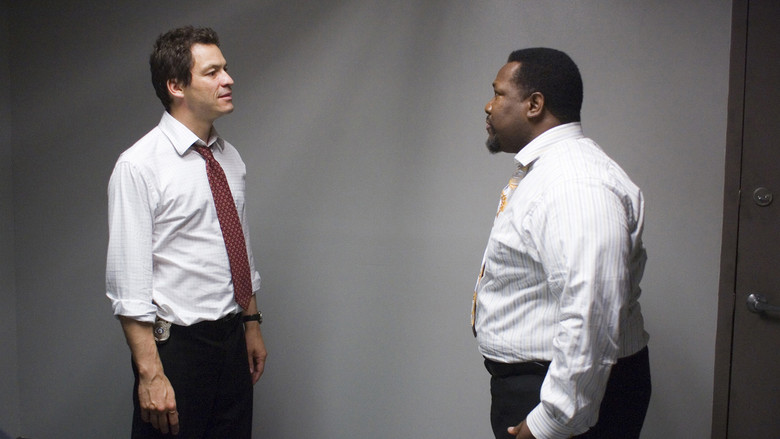
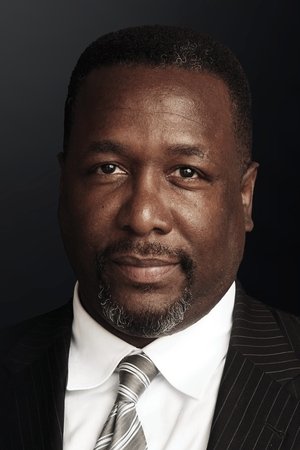
Bunk Moreland, played by Wendell Pierce, remained the moral anchor of the police side of the story. He refused to participate in the deception and continued to work real cases through standard methods. His interactions with McNulty highlighted the ethical divide between those who followed the rules and those who broke them.
The lie eventually unraveled when Kima Greggs reported the fraud to the higher-ups. This led to a quiet cleanup by the city to avoid a public scandal. The characters involved faced different fates based on their political usefulness rather than their actual guilt.
The Final Days of the Drug War
Marlo Stanfield, played by Jamie Hector, reached the peak of his power in Season 5. He eliminated rivals like Proposition Joe and took control of the New Day Co-op. His rise showed a more cold and efficient version of the drug trade compared to previous leaders.
The hunt for Marlo became the focus of the illegal surveillance operation run by McNulty and Freamon. The police eventually used the information to dismantle Marlo’s crew, but the legal case was compromised by the fake serial killer scandal. This resulted in a deal that allowed Marlo to walk free but forced him out of the drug business.
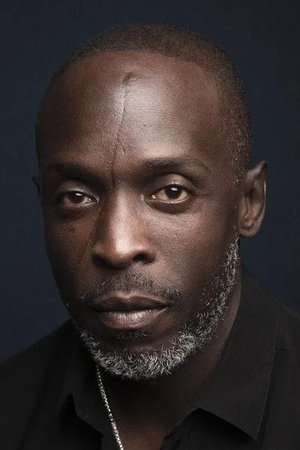
The season also featured the final appearance of Omar Little, played by Michael Kenneth Williams. His return to Baltimore for revenge against Marlo ended in an unexpected way that emphasized the random nature of street life. His story concluded by showing that his legendary reputation lived on regardless of the facts of his death.
- Bubbles found a path toward sobriety and reconciliation with his family.
- Michael Lee took on a new role as a stick-up man, mirroring Omar Little.
- Duquan “Dukie” Weems succumbed to addiction, showing the failure of the school and foster systems.
- Slim Charles took control of the remnants of the drug trade after killing Cheese Wagstaff.
Browse more curated picks in The Wire and TV Shows.
For verified credits, release details, or official resources, visit IMDb and Official Site.
| Director | Not available |
|---|---|
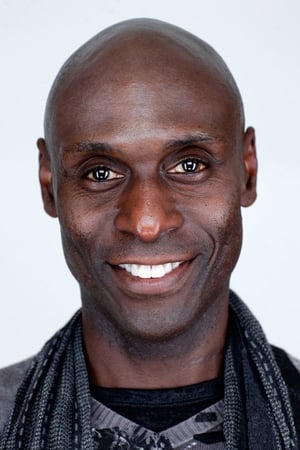
| Main Cast | Dominic West, Lance Reddick, Sonja Sohn, Wendell Pierce, Michael Kenneth Williams |
| Release Year | 2008 |
| Genre | Crime, Drama |
Frequently Asked Questions
When was The Wire – Season 5 released?
The Wire – Season 5 was released on January 6, 2008.
What is The Wire – Season 5 about?
In the projects. On the docks. In City Hall. In the schools. And now, in the media. The places and faces change, but the game remains the same.
Where can I watch The Wire – Season 5?
The Wire – Season 5 is available on Amazon Video, Apple TV, and Fandango At Home.