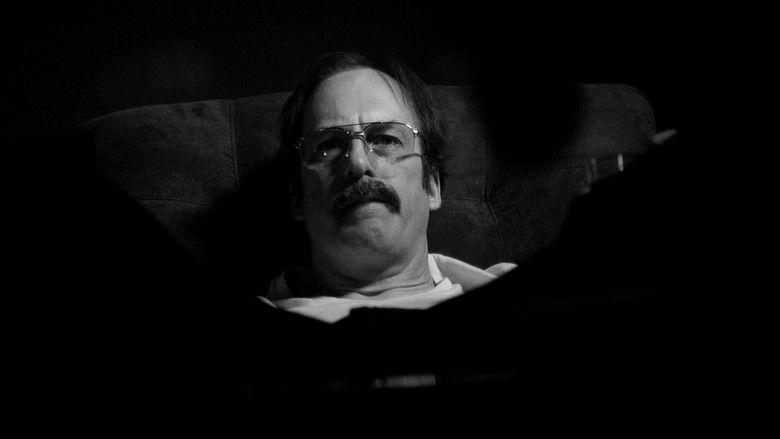
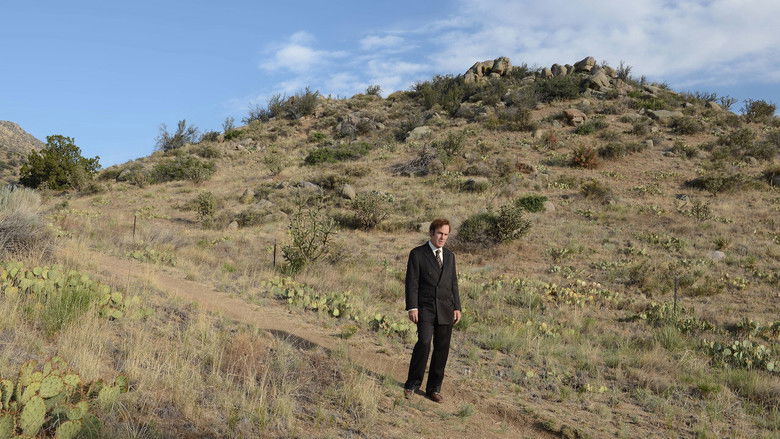
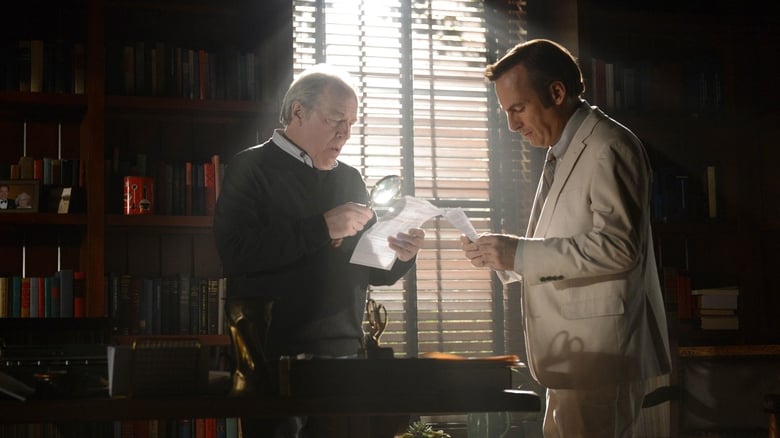
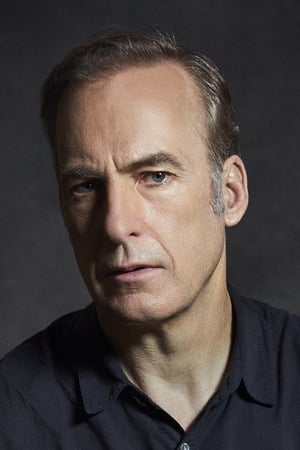
Better Call Saul – Season 1 arrived in 2015 as a prequel to the popular crime drama Breaking Bad. The story centered on Jimmy McGill, played by Bob Odenkirk, long before he adopted the persona of Saul Goodman. In this first season, Jimmy was a struggling public defender in Albuquerque, New Mexico, who lived in the back of a nail salon and drove a yellow Suzuki Esteem. The narrative focused on his efforts to build a legitimate law practice while caring for his older brother, Chuck McGill, played by Michael McKean.
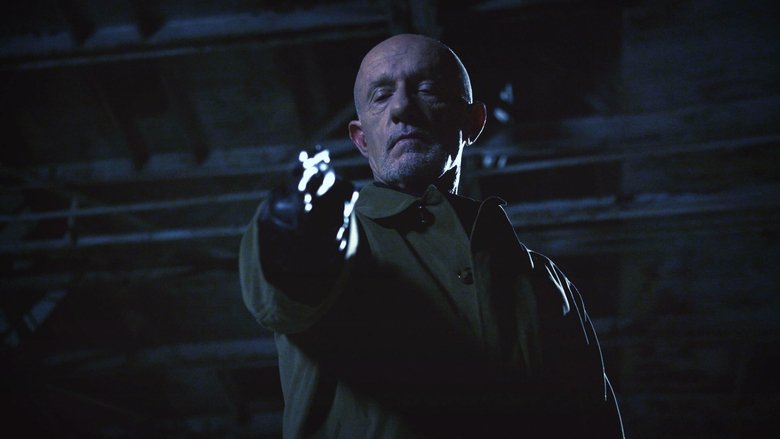
The season also introduced the origins of Mike Ehrmantraut, portrayed by Jonathan Banks, who worked as a toll booth operator at the local courthouse. As Jimmy looked for high-paying cases, he crossed paths with Nacho Varga and members of the Salamanca crime family. The tension in the first ten episodes came from Jimmy‘s internal conflict between his natural talent for conning people and his desire to earn the respect of his brother and the legal community. This grounded approach established the show as a character-focused drama rather than a simple retread of its predecessor.
Why You Should Watch Better Call Saul – Season 1
Better Call Saul – Season 1 succeeded because it took a slow and steady approach to character development. Unlike many spin-offs that rely on cameos, this season built a new world with its own stakes and unique visual style. Bob Odenkirk transitioned from a comedic sidekick to a nuanced lead actor, showing the sadness and desperation behind Jimmy‘s jokes. The show benefited from the returning creative team of Vince Gilligan and Peter Gould, who maintained a high standard of visual storytelling and sharp dialogue.
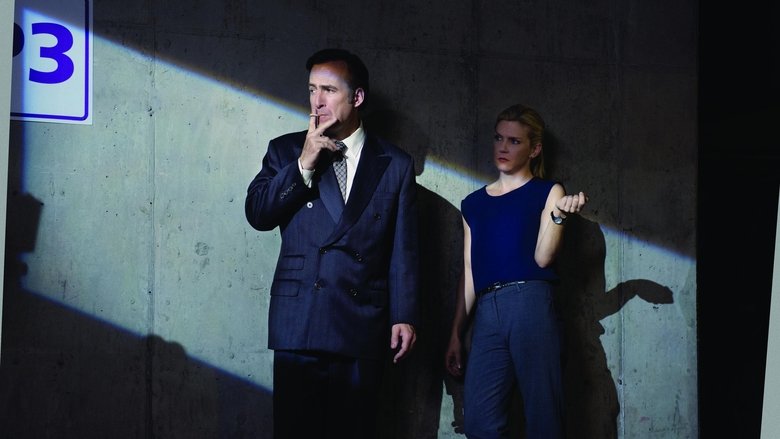
The season offered a deep look at the legal system from the perspective of a bottom-tier attorney. It avoided grand courtroom theatrics in favor of the mundane reality of paperwork, public defense, and client management. This realism made the moments when Jimmy reverted to his “Slippin’ Jimmy” roots feel more significant. The relationship between Jimmy and Kim Wexler, played by Rhea Seehorn, added a layer of professional and personal loyalty that grounded the show’s higher-stakes moments. Key reasons to watch include:
- The complex sibling rivalry between Jimmy and Chuck McGill.
- The backstory of Mike Ehrmantraut and his transition into the criminal underworld.
- The introduction of Howard Hamlin and the corporate world of Hamlin, Hamlin & McGill (HHM).
- The intricate plot involving the Kettlemans and a missing sum of money.
- The dark humor and meticulous pacing that defined the series.
The Evolution of Jimmy McGill
In Season 1, Jimmy McGill was not yet the flamboyant lawyer seen in later years. He was a man trying to do the right thing under difficult circumstances. He spent his nights studying law while working at a cellular phone store in the past, eventually passing the bar exam in secret. This season showed his frustration with being ignored by HHM, the firm his brother co-founded. Jimmy felt he deserved a seat at the table, but he was constantly pushed back to the mailroom or the public defender’s office.
His struggle with his identity as Slippin’ Jimmy was a major theme. Even when he tried to stay on the right side of the law, he often used gray-area tactics to get ahead. This was seen when he staged a heroic rescue on a billboard to gain media attention. The season followed him as he tried to balance his innate trickster nature with the professional requirements of being an attorney. Bob Odenkirk gave a performance that highlighted Jimmy‘s vulnerability, especially during his interactions with Chuck.
Chuck McGill served as both a mentor and an obstacle. Chuck lived in a house without electricity, claiming to suffer from electromagnetic hypersensitivity. Jimmy went to great lengths to care for him, bringing him ice, groceries, and newspapers daily. This dynamic shifted toward the end of the season when Jimmy discovered the truth about his brother’s opinion of him. The revelation that Chuck did not view Jimmy as a “real lawyer” became the defining moment that pushed Jimmy away from the path of legitimacy.
Mike Ehrmantraut’s Grounded Origin
The first season devoted significant time to Mike Ehrmantraut, a character who was originally a fan favorite from the previous series. Here, Mike was a quiet man working a dead-end job at the courthouse parking lot. He had frequent, tense interactions with Jimmy over parking stickers. However, the episode “Five-O” provided a deep look into Mike‘s past as a police officer in Philadelphia. It explained his move to Albuquerque and the grief he felt over the death of his son, Matty.
Jonathan Banks delivered a restrained and powerful performance. The season showed how Mike began taking small jobs in the criminal world to provide for his daughter-in-law and granddaughter. He worked as a bodyguard for a pharmaceutical thief, demonstrating his competence and tactical knowledge. This parallel storyline eventually began to merge with Jimmy‘s arc, showing how two men with different backgrounds both ended up in the same moral gray area. Mike‘s stoicism acted as a perfect foil to Jimmy‘s constant talking.
The interaction between Mike and Jimmy was limited but impactful. Their relationship started with mutual annoyance but grew into a professional respect based on necessity. Mike‘s refusal to take a life or use unnecessary violence during his early jobs contrasted with the more brutal world he would eventually inhabit. This season focused on the choices he made to protect his family, highlighting the tragic nature of his character arc. These scenes were filmed with a deliberate, slow pace that matched Mike‘s methodical personality.
The Sandpiper Crossing Conflict
A major plot point in the latter half of the season involved the Sandpiper Crossing lawsuit. While working on elder law cases, Jimmy discovered that an assisted living facility was overcharging its residents. He spent hours piecing together shredded documents from a dumpster to prove the fraud. This case showcased Jimmy‘s actual skill as a lawyer and his genuine care for his elderly clients. It was the moment where it seemed like Jimmy might finally achieve the success and respect he craved.
The scale of the case was too large for Jimmy to handle alone, forcing him to bring the evidence to HHM. This led to a temporary truce between Jimmy and Howard Hamlin, played by Patrick Fabian. The legal battle against Sandpiper Crossing became a multi-million dollar class-action suit. However, the legal victory was overshadowed by the internal politics of the law firm. Jimmy‘s realization that he was being used by the very people he looked up to was the season’s emotional climax.
This storyline emphasized the class divide in the legal profession. Jimmy represented the blue-collar, scrappy side of the law, while HHM represented corporate power and prestige. The contrast was visible in the locations, from the dark, cluttered nail salon to the bright, glass-walled offices of the law firm. The Sandpiper case was a turning point because it proved Jimmy could have been a great lawyer if the system had allowed him in. Instead, the rejection he faced steered him back toward his old habits.
Is Better Call Saul – Season 1 Safe to Watch? (Age Rating Guide)
Official age rating not available.
Browse more curated picks in Better Call Saul and TV Shows.
For verified credits, release details, or official resources, visit IMDb and Official Site.
| Director | Not available |
|---|---|
| Main Cast | Bob Odenkirk, Jonathan Banks, Michael McKean, Rhea Seehorn, Patrick Fabian |
| Release Year | 2015 |
| Genre | Crime, Drama |
Frequently Asked Questions
When was Better Call Saul – Season 1 released?
Better Call Saul – Season 1 was released on February 8, 2015.
What is Better Call Saul – Season 1 about?
Jimmy McGill was a small-time lawyer, hustling to make ends meet. This is how the search for his destiny and the story of Saul Goodman collide.
Where can I watch Better Call Saul – Season 1?
Better Call Saul – Season 1 is available on Amazon Video, Apple TV, and Fandango At Home.