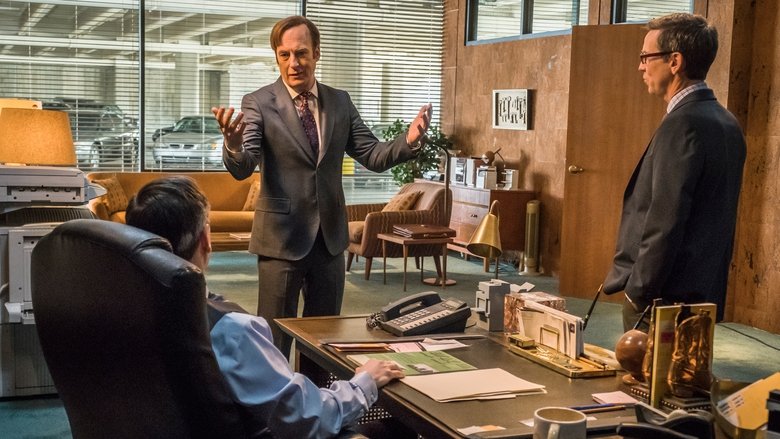
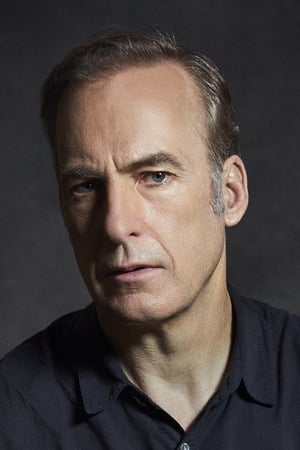
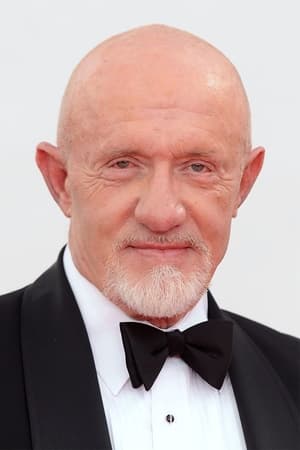
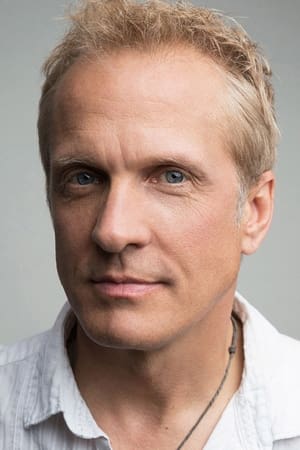
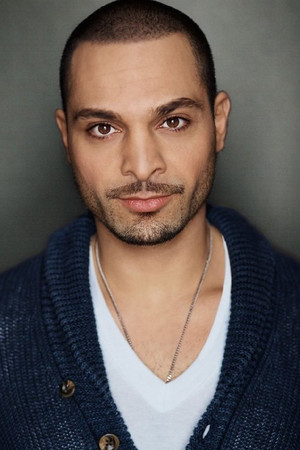
In Better Call Saul – Season 4, the narrative trajectory of Jimmy McGill shifts permanently toward his Saul Goodman persona. Following the tragic death of his brother Chuck McGill, Jimmy enters a period of performative mourning that masks a deep-seated refusal to engage with his own guilt. While serving a year-long suspension from the law, he exploits his time by establishing a lucrative business selling prepaid cellular phones to Albuquerque’s criminal element.
Simultaneously, the expansion of Gustavo Fring’s drug empire introduces significant structural changes to the series. The season meticulously documents the engineering of the underground meth superlab, a project overseen by Mike Ehrmantraut. This industrial expansion coincides with the arrival of Lalo Salamanca, whose presence creates a high-stakes power struggle that forces Nacho Varga into a dangerous position as a double agent. The season functions as a cold, methodical examination of the logical steps required to build a criminal enterprise.
Why You Should Watch Better Call Saul – Season 4
This installment offers a clinical deconstruction of moral erosion and the psychological toll of repressed trauma. Better Call Saul – Season 4 excels by prioritizing character logistics and slow-burn tension over conventional action sequences. It provides essential context for the Breaking Bad universe by detailing the precise origins of its most iconic locations and character dynamics.
The Psychological Transformation of Jimmy McGill
The season focuses on Jimmy McGill’s specific choice to avoid emotional vulnerability. Rather than confronting the complexity of his relationship with Chuck, he funnels his energy into elaborate schemes, such as the theft of a Hummel figurine. These incidents demonstrate his increasing comfort with illegal tactics as a primary means of problem-solving.
His creation of the Saul Goodman alias serves as a practical solution to a business obstacle. By operating under a pseudonym, Jimmy creates a barrier between his professional identity and his personal history. This compartmentalization eventually alienates him from the legitimate legal community and signals the end of his aspirations for institutional respect.
Kim Wexler and the Ethics of Deception
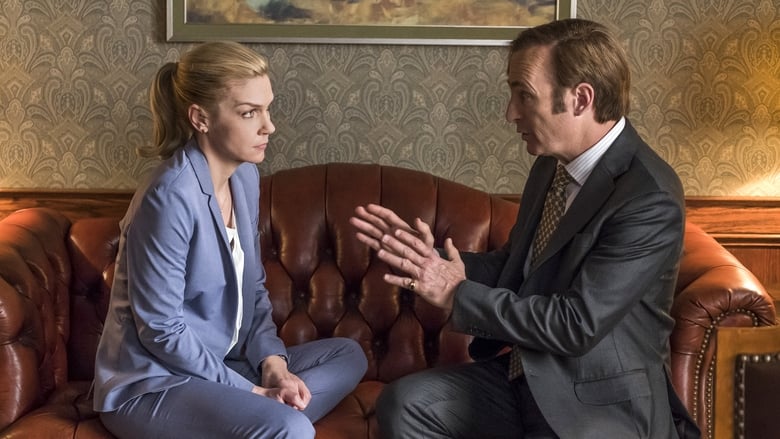
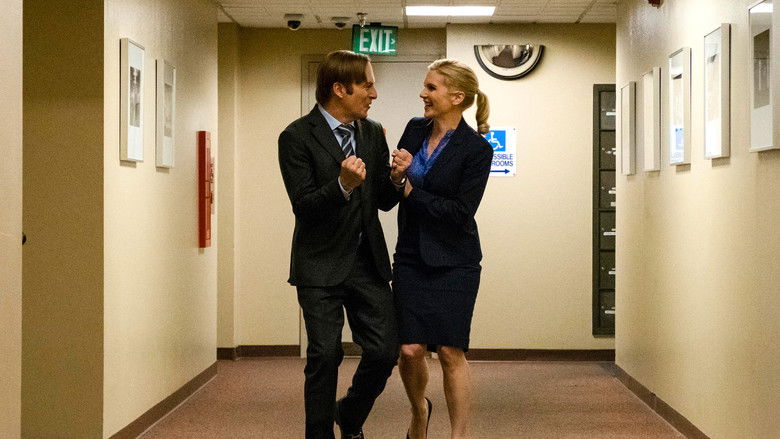
Rhea Seehorn provides a nuanced portrayal of Kim Wexler as she becomes increasingly complicit in Jimmy’s behavior. While she attempts to find fulfillment through pro bono legal work, she simultaneously assists Jimmy in manipulating the legal system to protect Huell Babineaux. This duality creates a fracture in her character that drives much of the season’s domestic tension.
The Mesa Verde expansion project serves as a backdrop for Kim’s growing dissatisfaction with corporate law. Her willingness to use fraudulent methods to achieve “justice” mirrors Jimmy’s own philosophy. This shared moral decline strengthens their bond while simultaneously ensuring their eventual professional ruin.
Industrialized Crime and the Superlab Project
The storyline involving Mike Ehrmantraut and the German engineering team led by Werner Ziegler highlights the sheer scale of Gus Fring’s ambition. The construction of the superlab is treated with the seriousness of a major architectural feat. It emphasizes the logistical difficulties of maintaining secrecy within a high-stakes criminal environment.
Mike’s role as the project’s security lead forces him to reconcile his personal codes of conduct with the ruthless requirements of Gus’s operation. The eventual failure of Werner to adhere to security protocols leads to a cold, inevitable conclusion. This arc solidifies Mike’s status as a fixed point in the Albuquerque underworld, devoid of the sentimentality that previously governed his actions.
The Power Vacuum and the Arrival of Lalo Salamanca
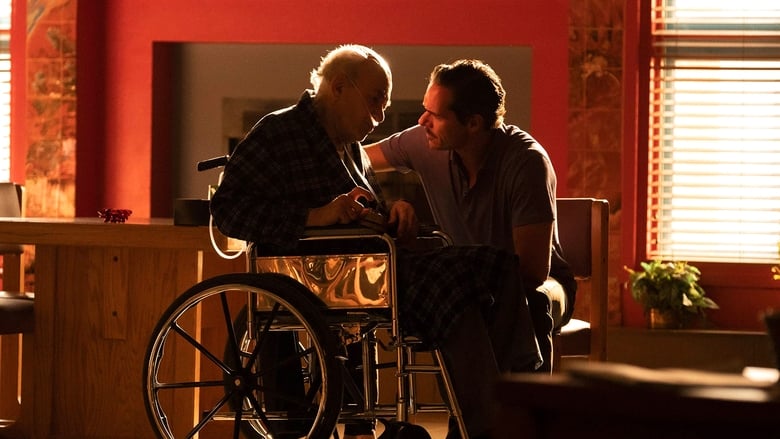
The cartel narrative shifts significantly with the introduction of Lalo Salamanca, played by Tony Dalton. Lalo serves as a direct counter to Gus Fring’s calculated approach, utilizing charm and unpredictability to investigate the Salamanca family’s interests. His arrival disrupts the status quo and puts immediate pressure on Nacho Varga.
Nacho’s survival depends on his ability to provide information to Gus while maintaining his loyalty to the Salamanca family. The constant threat of exposure creates a pervasive sense of dread throughout the season’s later episodes. This conflict ensures that the territorial disputes of the drug trade remain as central to the series as the legal drama.
Better Call Saul – Season 4 Production and Technical Data
- Director: Not available
- Main Cast: Bob Odenkirk, Jonathan Banks, Rhea Seehorn, Patrick Fabian, Michael Mando
- Release Year: 2018
- Genre: Crime, Drama
Is Better Call Saul – Season 4 Safe to Watch? (Age Rating Guide)
Official age rating not available.
Browse more curated picks in Better Call Saul and TV Shows.
For verified credits, release details, or official resources, visit IMDb and Official Site.
| Director | Not available |
|---|---|
| Main Cast | Bob Odenkirk, Jonathan Banks, Rhea Seehorn, Patrick Fabian, Michael Mando |
| Release Year | 2018 |
| Genre | Crime, Drama |
Frequently Asked Questions
When was Better Call Saul – Season 4 released?
Better Call Saul – Season 4 was released on August 6, 2018.
What is Better Call Saul – Season 4 about?
As Jimmy copes with a shocking loss, a series of shady schemes propel him deeper into the criminal world — and closer to his life as Saul Goodman.
Where can I watch Better Call Saul – Season 4?
Better Call Saul – Season 4 is available on Amazon Video, Apple TV, and Fandango At Home.