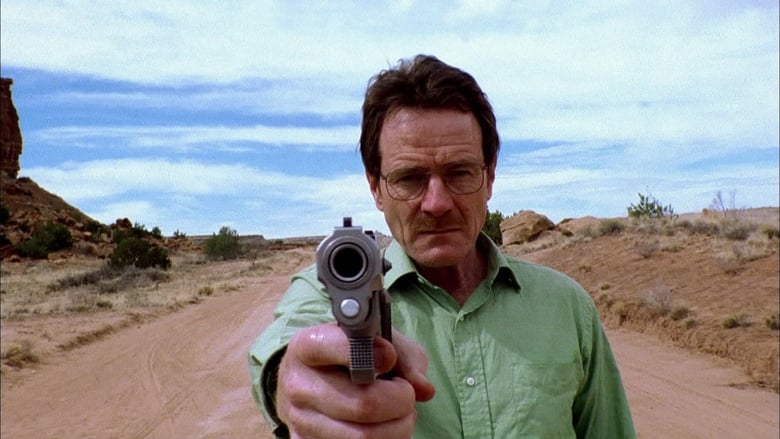
Breaking Bad – Season 1 introduces Walter White, a high school chemistry teacher living in Albuquerque, New Mexico. After receiving a diagnosis of terminal lung cancer, Walter decides to secure his family’s financial future through the production of methamphetamine. He seeks out a former student, Jesse Pinkman, to serve as his partner and connection to the local drug market.
The season follows their initial attempts to establish a mobile laboratory in an old Fleetwood Bounder RV. They face immediate obstacles, including violent encounters with local distributors and the logistical difficulties of large-scale chemical cooking. As Walter balances his deteriorating health with a growing list of criminal compromises, the narrative explores the technical and moral shifts required to survive in the underworld.
Why You Should Watch Breaking Bad – Season 1
This season establishes a methodical pace that prioritizes character logic and scientific realism over traditional action tropes. It presents a detailed procedural look at the manufacturing process and the brutal economic realities of the illegal drug trade.
- Technical Proceduralism: The show uses actual chemistry principles to solve narrative problems, from making batteries to creating chemical weapons.
- Character Arc: Bryan Cranston portrays a convincing transition from a passive educator to a man capable of strategic violence.
- Structural Tension: The proximity of Hank Schrader, a DEA agent, to the White household creates a constant undercurrent of risk.
The Economic Precarity of the Middle Class
The series uses Walter White‘s financial desperation as the primary engine for the plot. Despite his advanced intelligence, Walter works two jobs, including a role at a car wash where he is frequently humiliated. This economic strain highlights the lack of a social safety net for American families facing catastrophic health crises.
His decision to cook meth is presented not as a sudden whim but as a calculated, albeit desperate, solution to a systemic problem. The show explores how a lifetime of missed opportunities and professional stagnation can lead to a volatile reclamation of power.
The Science of Survival and Tactical Chemistry
One of the most distinct elements of this season is the use of science as a tactical tool. In the pilot episode, Walter utilizes phosphine gas to incapacitate two attackers within the confines of the RV. This scene establishes that Walter‘s primary weapon is his intellect rather than physical strength.
Later episodes involve the use of fulminated mercury during a confrontation with the distributor Tuco Salamanca. This highlights Walter‘s ability to manipulate chemical compounds to achieve specific, destructive outcomes. These moments ground the show in a harsh realism that differentiates it from typical crime dramas.
The Evolution of the Heisenberg Persona
Throughout the first seven episodes, the audience witnesses the birth of Heisenberg. This alias serves as a psychological shield that allows Walter to separate his domestic identity from his criminal actions. The shift is physical as well as mental, culminating in Walter shaving his head due to chemotherapy.
This transformation is not depicted as an immediate success but as a series of trial-and-error encounters. Walter must learn to navigate the social cues of the criminal world, often failing and nearly losing his life in the process.
Jesse Pinkman: From Plot Device to Protagonist
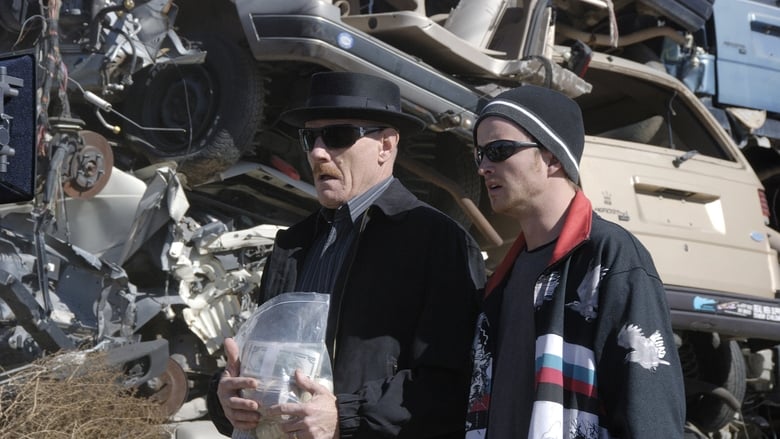
Jesse Pinkman, played by Aaron Paul, initially serves as Walter‘s entry point into the drug trade. However, the character quickly evolves beyond the “junkie” archetype to provide the show’s moral perspective. While Walter is clinical and detached, Jesse is frequently visibly traumatized by the violence they encounter.
Their partnership is defined by a power imbalance that mirrors their former teacher-student relationship. Walter frequently belittles Jesse‘s intelligence, while Jesse criticizes Walter‘s lack of practical street knowledge. This friction provides the core emotional weight of the early episodes.
The Role of Albuquerque as a Visual Foundation
The choice of Albuquerque, New Mexico, provides a stark and unique visual identity for the series. The vast, arid landscapes of the desert offer an isolated backdrop for the mobile lab, emphasizing the characters’ vulnerability. The harsh sunlight and saturated colors reflect the intensity of Walter‘s new reality.
The production utilized the geography to create a sense of scale and dread. The desert is not just a setting but a witness to the disposal of bodies and the various failures of the protagonists. This environment isolates the characters from the safety of civilization and the law.
Production Constraints and Narrative Shifts
The first season was impacted by the 2007-2008 Writers Guild of America strike, which shortened the episode count from nine to seven. This forced the writers to compress certain plot points and reconsider character fates. For example, Jesse Pinkman was originally intended to be killed off at the end of the first season.
The hiatus allowed the production team to recognize the chemistry between Bryan Cranston and Aaron Paul. This change in plans fundamentally altered the trajectory of the series, turning Jesse into a co-protagonist. The shorter season resulted in a tighter focus on Walter‘s initial descent into crime.
Domestic Conflict and the White Household
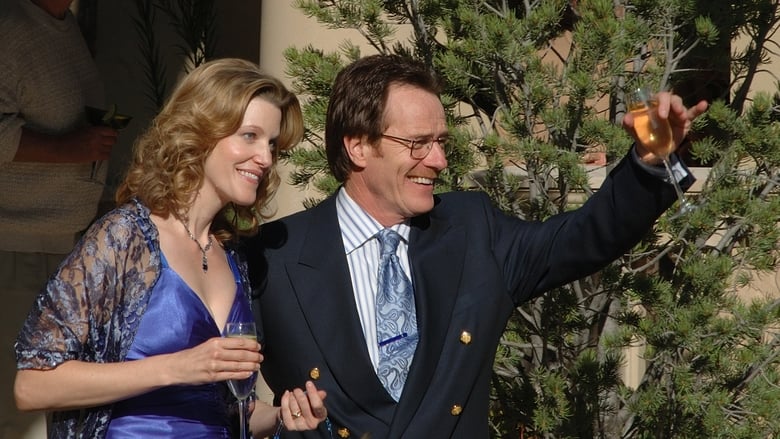
The show balances criminal activity with the mundane stress of family life. Skyler White, played by Anna Gunn, acts as a grounded counterpoint to Walter‘s increasingly erratic behavior. Her pregnancy and the needs of their son, Walter Jr., played by RJ Mitte, provide the stakes for Walter‘s risks.
The tension increases as Walter is forced to invent complex lies to explain his disappearances. The introduction of Marie Schrader and Hank Schrader rounds out the domestic circle, bringing the law directly into Walter‘s living room. This proximity creates a claustrophobic atmosphere where discovery is always imminent.
Is Breaking Bad – Season 1 Safe to Watch? (Age Rating Guide)
Official age rating not available.
Browse more curated picks in Breaking Bad and TV Shows.
For verified credits, release details, or official resources, visit IMDb and Official Site.
| Director | Not available |
|---|---|
| Main Cast | Bryan Cranston, Aaron Paul, Anna Gunn, RJ Mitte, Dean Norris |
| Release Year | 2008 |
| Genre | Crime, Drama |
Frequently Asked Questions
When was Breaking Bad – Season 1 released?
Breaking Bad – Season 1 was released on January 20, 2008.
What is Breaking Bad – Season 1 about?
High school chemistry teacher Walter White's life is suddenly transformed by a dire medical diagnosis. Street-savvy former student Jesse Pinkman "teaches" Walter a new trade.
Where can I watch Breaking Bad – Season 1?
Breaking Bad – Season 1 is available on Amazon Video, Apple TV, and Fandango At Home.