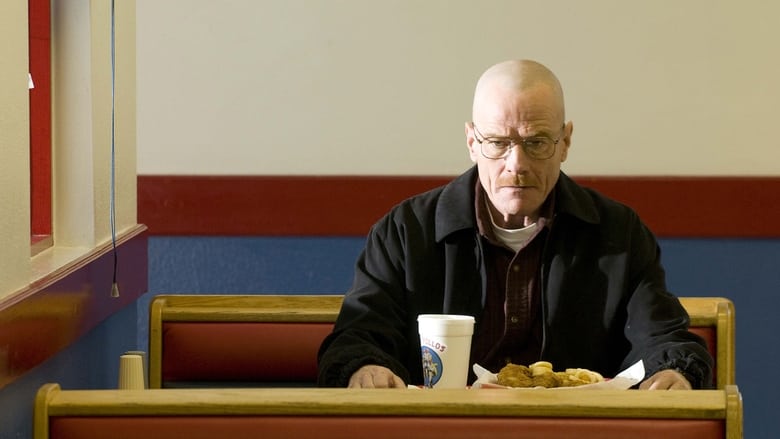
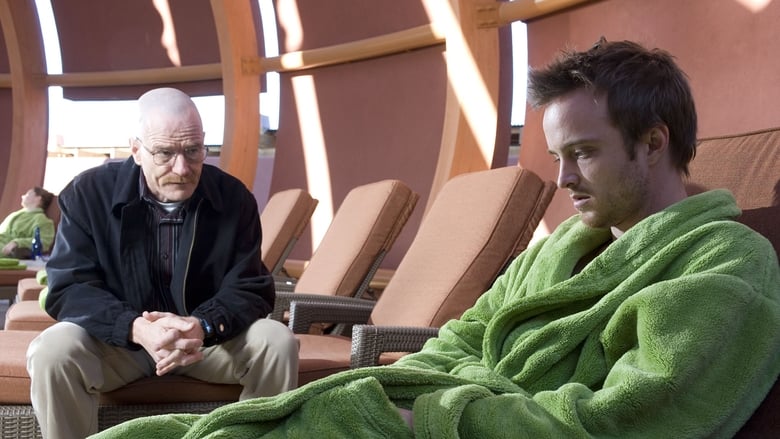
Breaking Bad – Season 2 continued the story of Walter White, a chemistry teacher who turned to manufacturing methamphetamine to secure his family’s financial future. Following the events of the first season, Walt and his partner Jesse Pinkman found themselves in a more dangerous position. They moved from small-scale production to a more aggressive distribution model. This shift brought them into direct conflict with local cartels and increased the pressure from law enforcement.
The season examined the deteriorating moral compass of its protagonist as his secret life began to bleed into his home life. Skyler White grew more suspicious of Walt’s erratic behavior and unexplained absences. Meanwhile, Jesse struggled with his own personal losses and a developing addiction. The season utilized a distinctive visual style and a non-linear narrative structure to build toward a major event revealed in the finale. It remained a staple of the TV Shows landscape during its original run on AMC.
Why You Should Watch Breaking Bad – Season 2
Breaking Bad – Season 2 is often cited as the point where the series solidified its structure and tone. It balanced dark comedy with a grounded look at the logistics of crime. The season moved away from the reactionary survival of the first episodes and toward a proactive expansion of a criminal enterprise. This transition allowed for more complex world-building and character development.
The Introduction of Iconic Characters
This season introduced several characters who became central to the Breaking Bad universe. Bob Odenkirk appeared as Saul Goodman, a flamboyant and ethically flexible lawyer. His presence added a new layer of professional crime management to the story. He provided the necessary legal infrastructure for Walt and Jesse to operate on a larger scale.
We also saw the first appearance of Giancarlo Esposito as Gustavo Fring. He played a high-level distributor who operated under the guise of a legitimate business owner. Jonathan Banks also debuted as Mike Ehrmantraut, a fixer who worked for Saul and Gus. These additions shifted the series from a story about two amateurs to one about a complex criminal ecosystem.
The Narrative Use of Flash-Forwards
One of the most notable features of Breaking Bad – Season 2 was the use of cryptic black-and-white teasers. These scenes featured a pink teddy bear floating in a pool and men in hazmat suits cleaning up debris. This storytelling device created a sense of inevitability. It signaled that Walt’s actions would eventually lead to a large-scale catastrophe.
This technique rewarded attentive viewers who looked for clues in every episode. It showed how the writers planned the season as a single, cohesive arc. The payoff in the final episode connected various subplots in a way that felt earned. It demonstrated how small choices could lead to massive, unintended consequences.
The Relationship Between Jesse and Jane
The introduction of Jane Margolis, played by Krysten Ritter, provided a significant emotional anchor for Jesse Pinkman. Jane was Jesse’s landlord and later became his girlfriend. Their relationship explored themes of addiction and the desire to escape a bleak reality. This subplot humanized Jesse and highlighted his vulnerability compared to Walt’s growing detachment.
The conflict between Walt and Jane was a turning point for Walter White’s character. Walt viewed Jane as a threat to his control over Jesse and their business. His decision regarding Jane in the penultimate episode of the season marked a permanent shift in his morality. It was a moment that many fans point to as the point of no return for the character.
Domestic Tension and the White Family
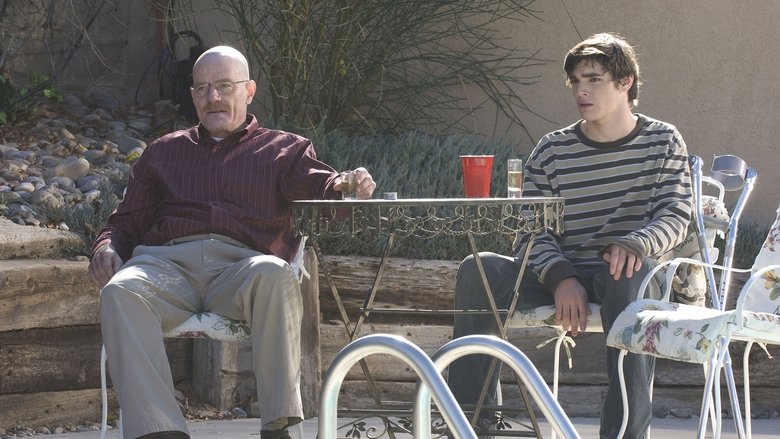
While the drug business expanded, the domestic scenes in the White household became increasingly tense. Anna Gunn delivered a strong performance as Skyler White, who was dealing with a high-risk pregnancy and a husband who was clearly lying. The show avoided making Skyler a passive character. Instead, she actively sought the truth and challenged Walt’s excuses.
Dean Norris also had a major arc as Hank Schrader. After a violent encounter with Tuco Salamanca, Hank suffered from post-traumatic stress disorder. This added depth to a character who previously served as comic relief. It showed the physical and mental cost of the drug war on those tasked with fighting it.
Technical Craft and Cinematography
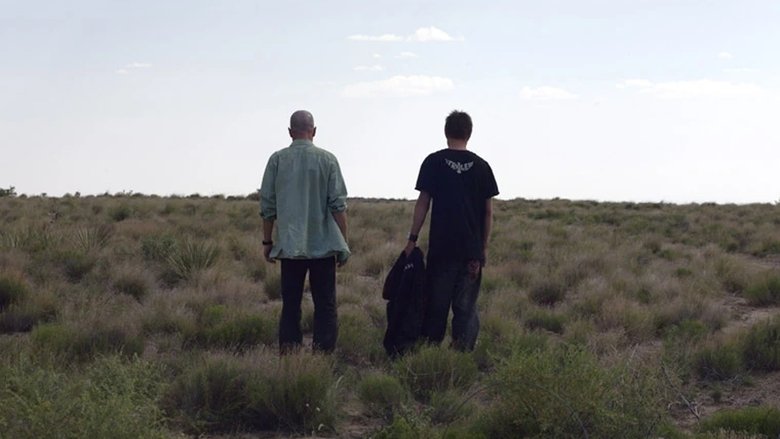
The season featured exceptional technical work, particularly in the episode “4 Days Out.” In this episode, Walt and Jesse were stranded in the desert when their RV battery died. The episode used the harsh New Mexico landscape to create a sense of isolation. The cinematography captured the contrast between the beauty of the desert and the desperation of the characters.
The use of practical effects and creative camera angles became a hallmark of the series. The show frequently used “point of view” shots from the perspective of inanimate objects, such as a shovel or a chemical drum. These choices gave the series a unique visual identity that set it apart from other crime dramas of the era. The production team used the 35mm film format to give the series a gritty, textured look.
Is Breaking Bad – Season 2 Safe to Watch? (Age Rating Guide)
Official age rating not available.
For verified credits, release details, or official resources, visit IMDb and Official Site.
| Director | Not available |
|---|---|
| Main Cast | Bryan Cranston, Aaron Paul, Anna Gunn, RJ Mitte, Dean Norris |
| Release Year | 2009 |
| Genre | Crime, Drama |
Frequently Asked Questions
When was Breaking Bad – Season 2 released?
Breaking Bad – Season 2 was released on March 8, 2009.
What is Breaking Bad – Season 2 about?
Walt must deal with the chain reaction of his choice, as he and Jesse face new and severe consequences. When danger and suspicion around Walt escalate, he is pushed to new levels of desperation. Just how much higher will the stakes rise? How far is Walt willing to go to ensure his family's security?
Where can I watch Breaking Bad – Season 2?
Breaking Bad – Season 2 is available on Amazon Video, Apple TV, and Fandango At Home.