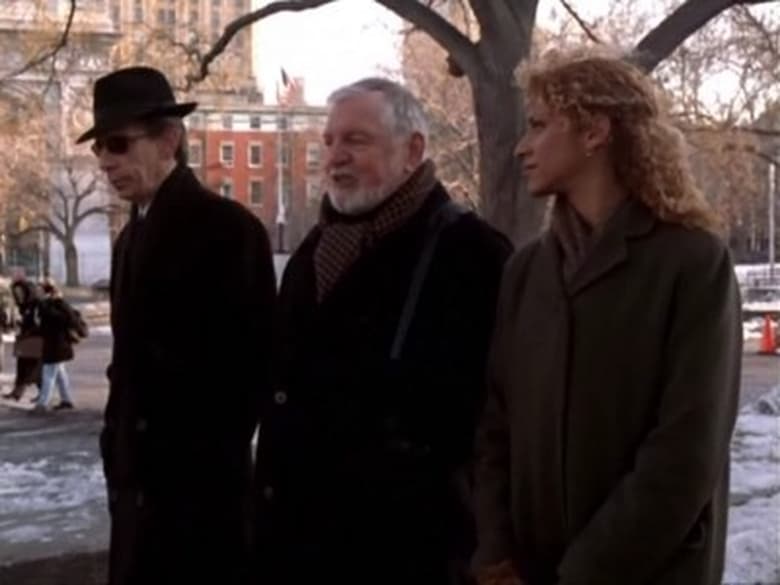
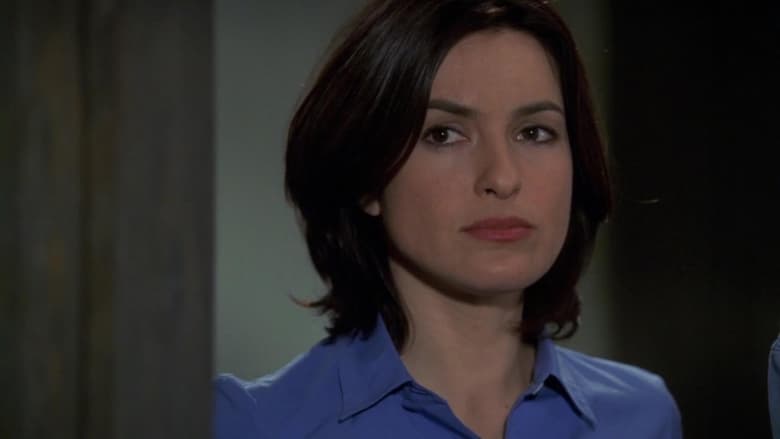
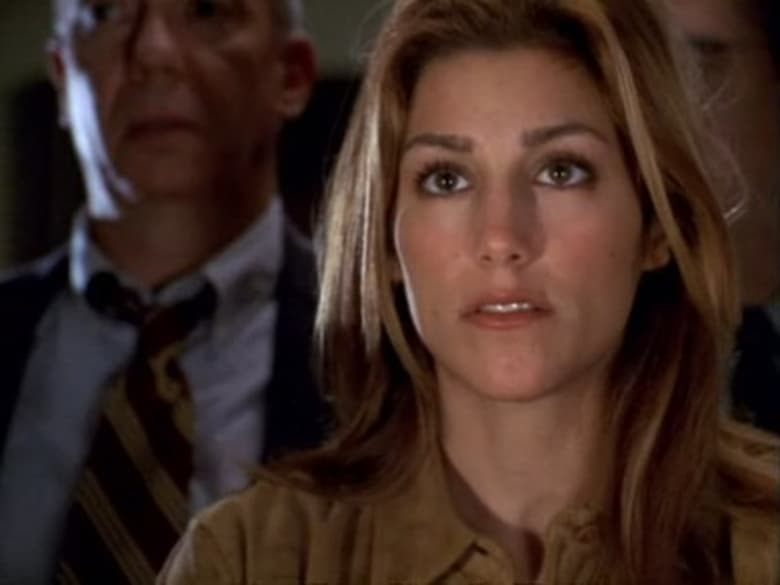
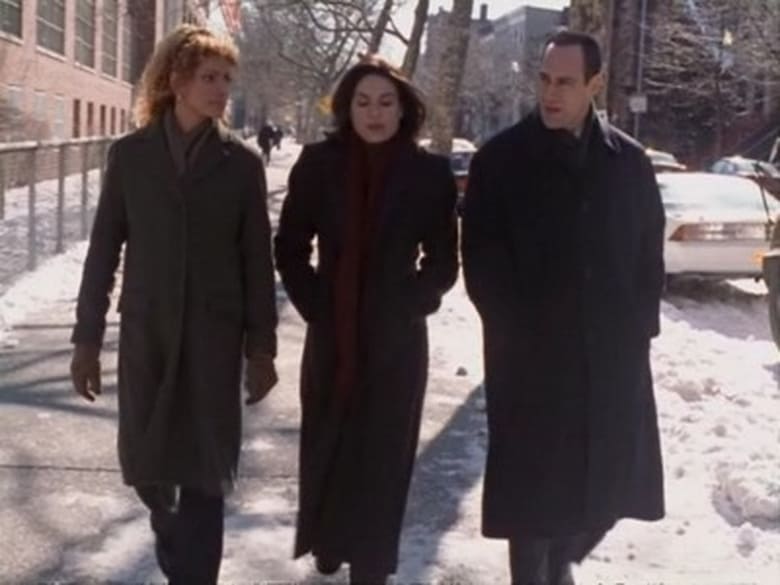
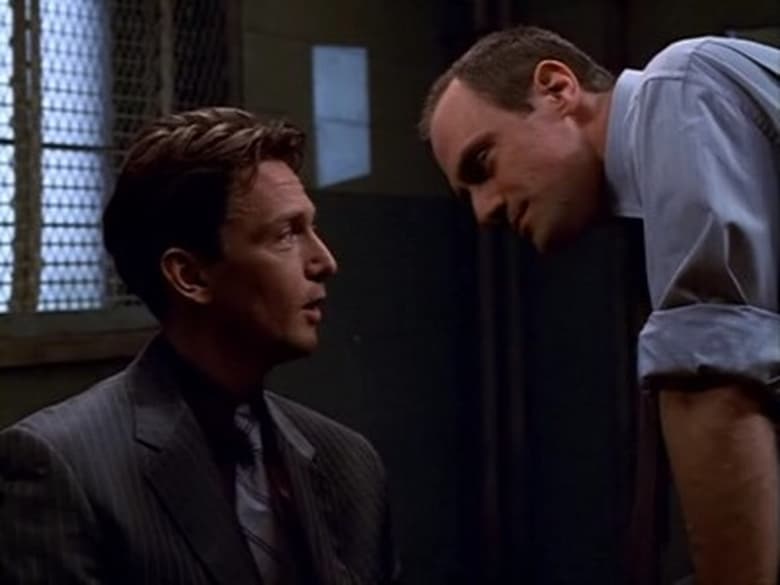
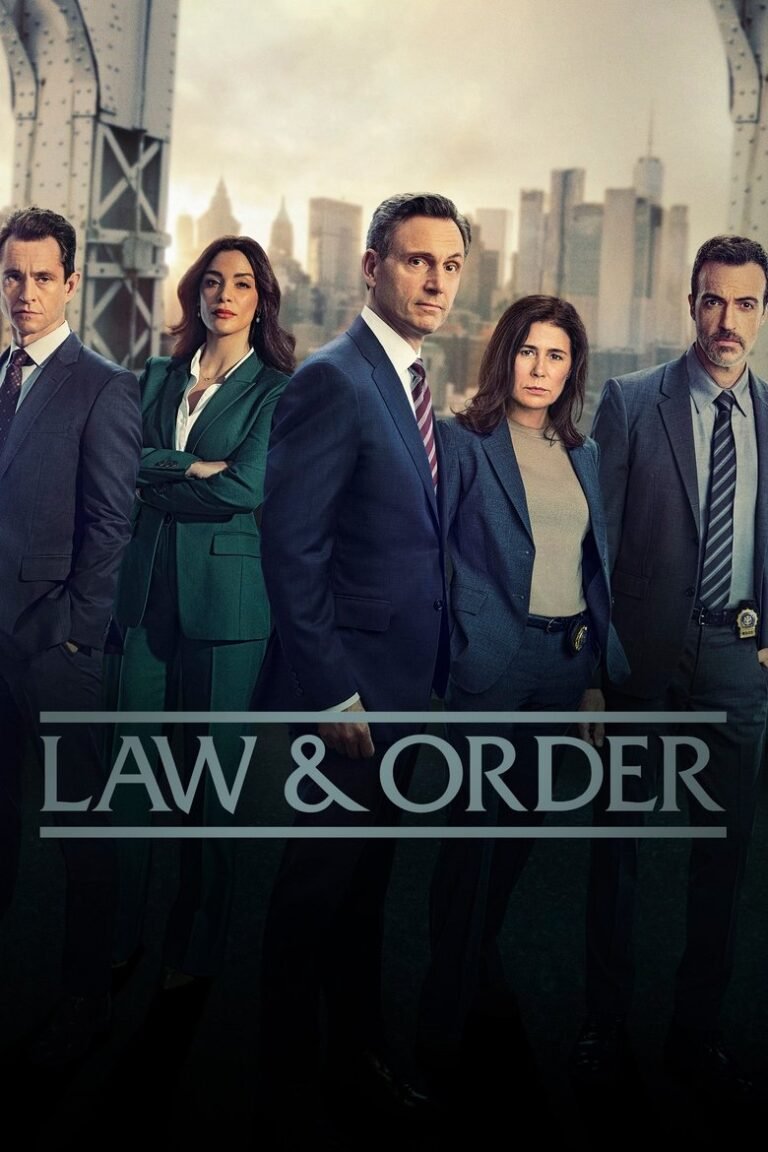
Law & Order: Special Victims Unit – Season 1 premiered on September 20, 1999, on NBC. This crime drama introduced a specialized unit of the New York City Police Department that handled crimes of a sexual nature. The show functioned as a spin-off from the original Law & Order series created by Dick Wolf. Unlike the original show, this series focused more on the personal lives and emotional reactions of the detectives working these difficult cases. The debut season established the core cast and the gritty tone that would define the show for decades.
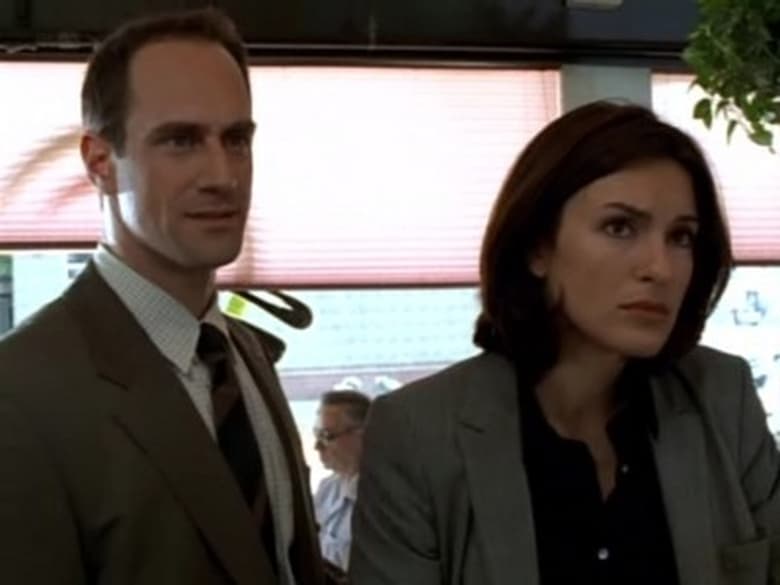
The season followed detectives Olivia Benson, played by Mariska Hargitay, and Elliot Stabler, played by Christopher Meloni. They worked out of the 16th Precinct in Manhattan. Their partnership was the central focus of the 22 episodes in the first season. They were joined by a team of experienced investigators, including John Munch and Brian Cassidy. The stories often mirrored real-life news events, using a format that became known as “ripped from the headlines.” This approach allowed the show to cover sensitive social issues through a procedural lens.
Why You Should Watch Law & Order: Special Victims Unit – Season 1
The first season of this Law & Order: Special Victims Unit provides a look at the early days of one of the longest-running partnerships in television history. It established a new way to tell crime stories by focusing on the victim’s perspective. The show was less about the mechanics of the law and more about the human cost of crime.
The Partnership of Benson and Stabler
Olivia Benson and Elliot Stabler were the main reason many viewers tuned in. Benson brought empathy and a personal connection to the work because of her own family history. She was often the primary contact for victims of sexual assault. Stabler was a family man and a former Marine who often struggled with his anger. He took the crimes against children and women very personally, which sometimes led to conflict with his superiors.
Their chemistry was evident from the very first episode. They balanced each other out during interrogations and field work. Benson often acted as the voice of reason when Stabler became too aggressive with suspects. This dynamic created a sense of tension and loyalty that anchored the entire season. The writers made sure to show how their work affected their private lives, which was a departure from the more clinical original series.
In this first season, we saw the detectives navigate the stresses of the Special Victims Unit. Stabler had to balance his job with his wife, Kathy, and their four children. Benson dealt with the legacy of her mother and her own origins. These personal details gave the characters more depth than typical TV detectives at the time. It made the high stakes of their cases feel more grounded and real for the audience.
A Strong Supporting Cast
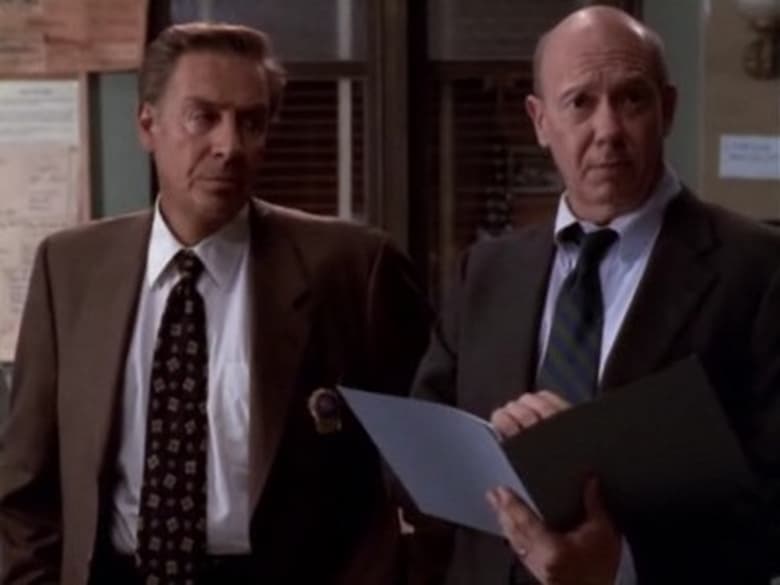
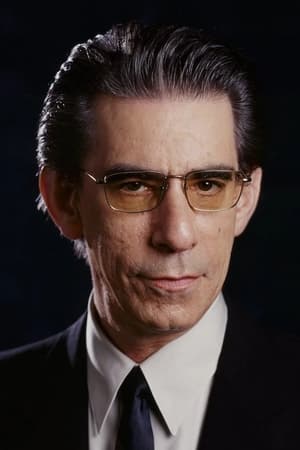
The squad room was filled with veteran actors who added weight to the procedural elements. Richard Belzer played John Munch, a character he moved over from the show Homicide: Life on the Street. Munch was known for his cynical attitude and his belief in various government conspiracies. He provided a different kind of energy to the team and often worked with younger detective Brian Cassidy, played by Dean Winters.
Captain Donald Cragen, played by Dann Florek, was the leader of the unit. He was a steady hand who had to manage the diverse personalities of his detectives. Cragen was a returning character from the first three seasons of the original Law & Order. His presence helped link the two shows together and provided a sense of continuity for fans of the franchise. He often had to protect his detectives from the politics of the police department.
Michelle Hurd also starred as Detective Monique Jeffries. She was a tough investigator who was not afraid to speak her mind in the squad room. The interaction between these different personalities created a realistic workplace environment. They did not always agree on the best way to handle a case. This friction added a layer of realism to the scripts and made the precinct feel like a living place.
The Procedural Format and New York Setting
The show made excellent use of its New York City locations. It filmed on the streets of Manhattan, which gave the episodes a gritty and authentic look. The production values were high, with scenes taking place in crowded courtrooms, dark alleyways, and quiet suburban homes. This variety showed that these types of crimes could happen anywhere in the city. The visual style was direct and functional, avoiding unnecessary flashiness.
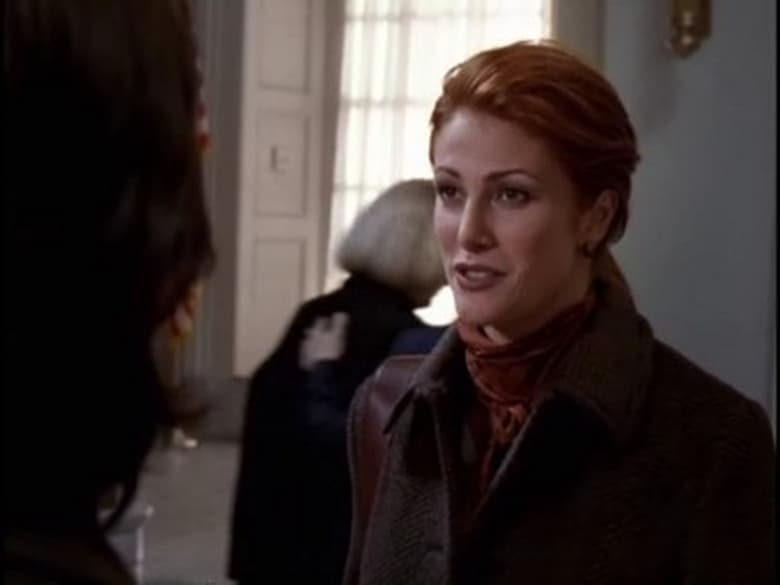
Each episode typically followed a two-part structure. The first part focused on the police investigation and the gathering of evidence. The second part often followed the legal case in the courtroom. Angie Harmon appeared as ADA Abbie Carmichael to handle the prosecution side of the stories. This allowed viewers to see the entire process from the initial crime report to the final verdict. It provided a complete look at how the justice system handled sensitive cases.
The writing focused on the difficulty of proving these specific types of crimes. Cases often relied on DNA evidence and witness testimony, which could be unreliable. The season explored the limitations of the law and the frustrations of the detectives when a suspect walked free. It did not shy away from the dark and uncomfortable parts of the human experience. This honesty helped the show stand out in a crowded field of TV shows in the late 1990s.
A Legacy in the Making
Looking back at the first season, it is clear why the show became a hit. It took a risky subject and handled it with a level of seriousness that was new for network television. The performances by Hargitay and Meloni were strong from the start. They gave the show a human face that viewers could trust. The scripts were tight and focused on the facts of the investigation.
The show also benefited from a memorable musical score by Mike Post. The iconic “dun-dun” sound effect used between scenes became a cultural touchstone. The theme music was energetic and set a serious tone for each hour-long episode. These technical elements helped build the brand of the show. It felt like a part of the larger Law & Order world while maintaining its own unique identity.
By the end of the 22nd episode, the series had established itself as a staple of NBC. It proved that there was an audience for stories about the Special Victims Unit. The foundation laid in 1999 allowed the series to continue for over twenty years. Many of the themes introduced in the first year remained central to the show for the rest of its run. It remains a key piece of television history for crime drama fans.
Is Law & Order: Special Victims Unit – Season 1 Safe to Watch? (Age Rating Guide)
Official age rating not available.
| Director | Various |
| Main Cast | Mariska Hargitay, Christopher Meloni, Richard Belzer, Dann Florek |
| Release Year | 1999 |
| Genre | Crime, Drama, Mystery |
For verified credits, release details, or official resources, visit IMDb and Official Site.
Frequently Asked Questions
When was Law & Order: Special Victims Unit – Season 1 released?
Law & Order: Special Victims Unit – Season 1 was released on September 20, 1999.
What is Law & Order: Special Victims Unit – Season 1 about?
Law & Order: Special Victims Unit – Season 1 is available on Flixr.
Where can I watch Law & Order: Special Victims Unit – Season 1?
Law & Order: Special Victims Unit – Season 1 is available on Amazon Video, Apple TV, and Fandango At Home.