Law & Order: Special Victims Unit – Season 17 premiered on September 23, 2015, representing a calculated shift in the narrative architecture of the long-running NBC procedural. This season departs from the standard episodic format by prioritizing multi-episode story arcs that examine systemic failures within the New York City judicial and forensic systems. Under the leadership of Lieutenant Olivia Benson, the squad navigates a landscape defined by high-profile serial offenders and the professional burden of maintaining departmental integrity.
The season is characterized by its exploration of the intersection between forensic science and criminal intent, specifically through the introduction of internal threats that compromise the Special Victims Unit. As the detectives confront these challenges, the series focuses on the technical and legal complexities of the Manhattan legal system. The narrative emphasizes the clinical realities of investigation, the dry procedural requirements of the courtroom, and the sustained psychological pressure placed on law enforcement personnel during prolonged hunts for dangerous predators.
Is Law & Order: Special Victims Unit – Season 17 Safe to Watch? (Age Rating Guide)
TV-14 for thematic elements, sexual content, and violence.
Why You Should Watch Law & Order: Special Victims Unit – Season 17
This season is distinguished by its commitment to serialized storytelling, which allows for a more comprehensive analysis of criminal psychopathy and institutional corruption than previous installments. By extending investigations across multiple episodes, the show provides a detailed look at the logistical hurdles faced by Lieutenant Olivia Benson and her team.
The Forensic Manipulation of Carl Rudnick and Gregory Yates
The primary conflict of Season 17 centers on the duality of Gregory Yates, a high-functioning serial killer, and Carl Rudnick, a deputy medical examiner who utilizes his institutional access to facilitate and conceal homicides. This arc, beginning with the episode “Devil’s Dissections,” illustrates the vulnerability of the forensic chain of custody. Dallas Roberts portrays Yates with a clinical detachment that contrasts with the bureaucratic coldness of Jefferson Mays‘ Rudnick.
This storyline forces the Special Victims Unit to re-examine their reliance on internal data. When the system’s own forensic expert is the primary suspect, the standard investigative protocols are rendered obsolete. The detectives must operate outside their traditional evidentiary frameworks, leading to a complex crossover with Chicago P.D. that highlights the jurisdictional difficulties of tracking mobile offenders who understand police methodology.
The Narrative Utility and Loss of Detective Mike Dodds
The introduction of Detective Mike Dodds, played by Andy Karl, provides a lens through which the season examines departmental politics and the concept of professional legacy. As the son of Deputy Chief William Dodds, Mike’s presence initially raises questions regarding nepotism and political maneuvering within the NYPD. However, his character arc is used to demonstrate the rigorous demands of the SVU as he transitions from an outsider to a technically proficient investigator.
His arc concludes in the two-part season finale, “Heartfelt Passages,” which serves as a critical study in the risks of procedural law enforcement. The events leading to his death are presented not as a dramatic anomaly, but as a direct consequence of a domestic hostage situation gone wrong. This event significantly impacts Benson’s leadership style, forcing her to reconcile her duty to her subordinates with the inherent dangers of the field.
Evolution of Legal Strategy and Community Relations
ADA Rafael Barba faces a series of litigious challenges that test the boundaries of prosecutorial ethics in Season 17. In episodes such as “Community Policing,” the show explores the friction between law enforcement and the public during investigations of police-involved shootings. Barba is tasked with navigating the political pressures of the District Attorney’s office while attempting to uphold the law in a volatile social climate.
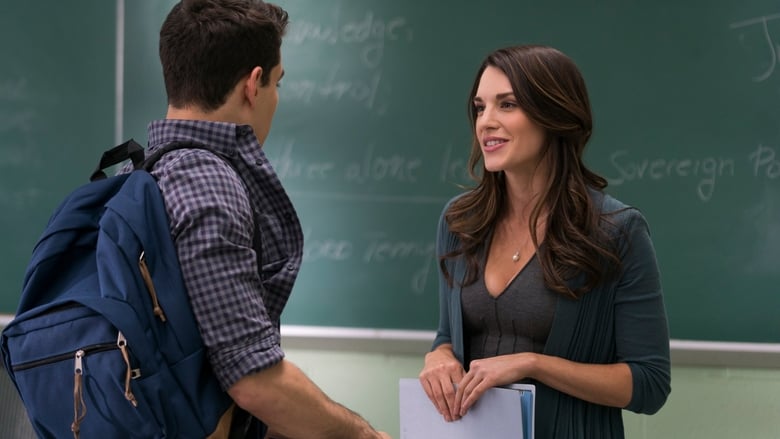
The season also tracks the professional evolution of Sonny Carisi, who continues his transition from a field detective to a legal professional. By balancing his duties in the squad with his law school studies, Carisi provides a unique perspective on how field evidence is eventually scrutinized in a court of law. This duality allows the show to bridge the gap between the physical investigation and the dry, often frustrating realities of the legal system.
- Procedural Continuity: The season maintains a high level of technical accuracy regarding New York legal codes and police protocols.
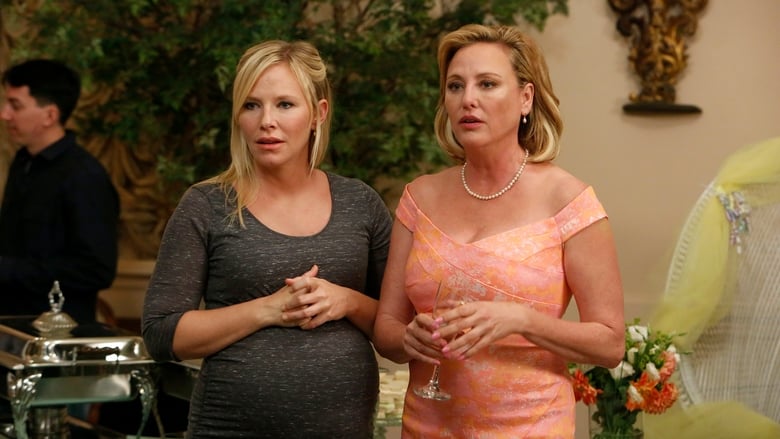
- Character Continuity: Amanda Rollins faces the personal challenge of motherhood, which is integrated into her professional performance and relationship with the squad.
- Institutional Critique: The scripts provide a cold assessment of how personal ambition and departmental politics can impede the pursuit of justice.
- High-Stakes Litigation: The courtroom scenes emphasize the mechanical nature of the law, where cases are won or lost on technicalities rather than emotional appeals.
| Director | Not available |
|---|---|
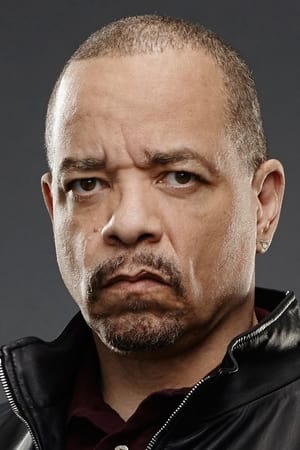
| Main Cast | Mariska Hargitay, Ice-T, Kelli Giddish, Peter Scanavino, Raúl Esparza |
| Release Year | 2015 |
| Genre | Crime, Drama, Mystery |
Browse more curated picks in Law & Order: Special Victims Unit and TV Shows.
For verified credits, release details, or official resources, visit IMDb and Official Site.
Frequently Asked Questions
When was Law & Order: Special Victims Unit – Season 17 released?
Law & Order: Special Victims Unit – Season 17 was released on September 23, 2015.
What is Law & Order: Special Victims Unit – Season 17 about?
Law & Order: Special Victims Unit – Season 17 premiered on September 23, 2015, representing a calculated shift in the narrative architecture of the long-running NBC procedural.
Where can I watch Law & Order: Special Victims Unit – Season 17?
Law & Order: Special Victims Unit – Season 17 is available on Amazon Video, Apple TV, and Fandango At Home.