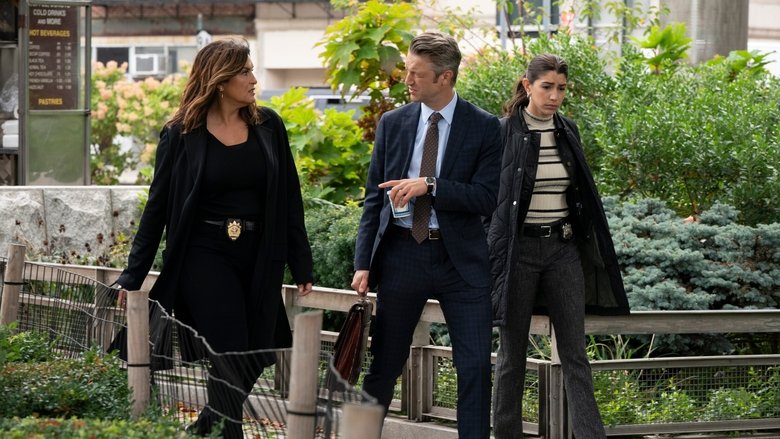
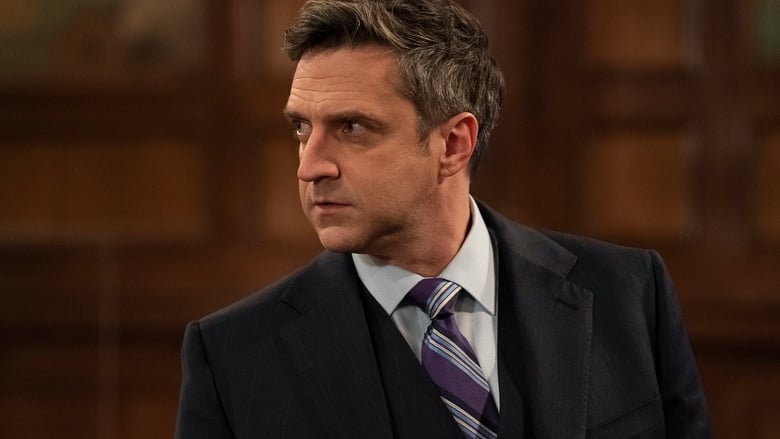
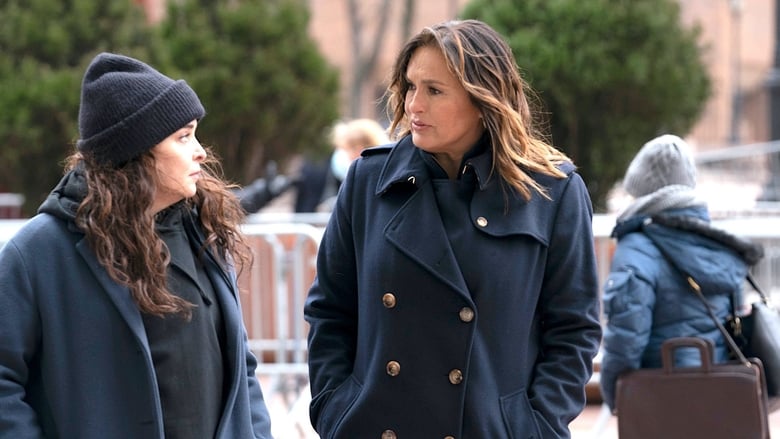
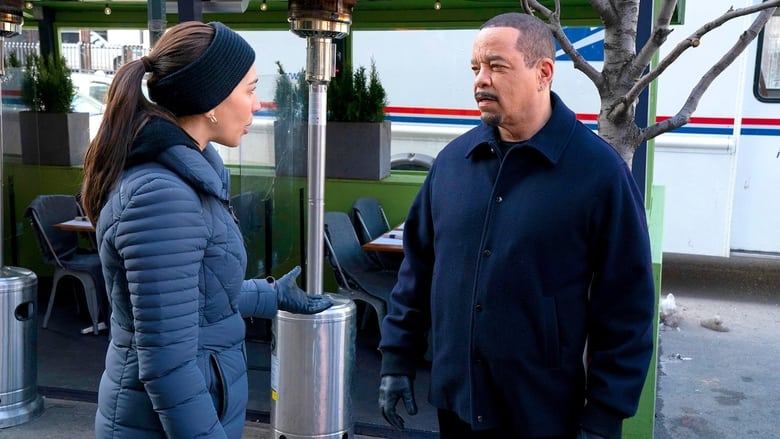
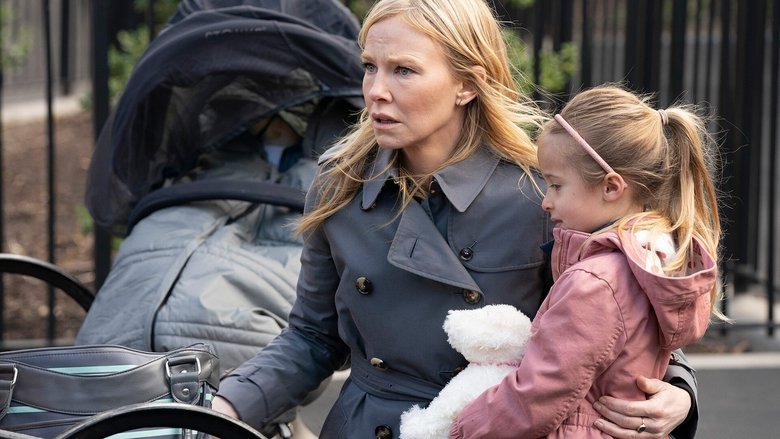
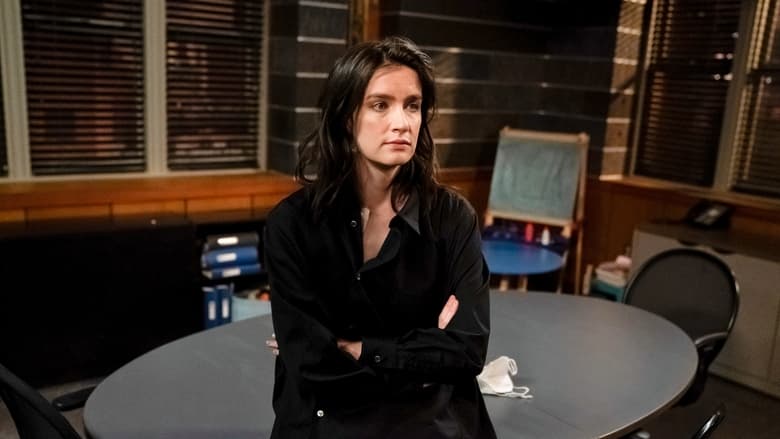
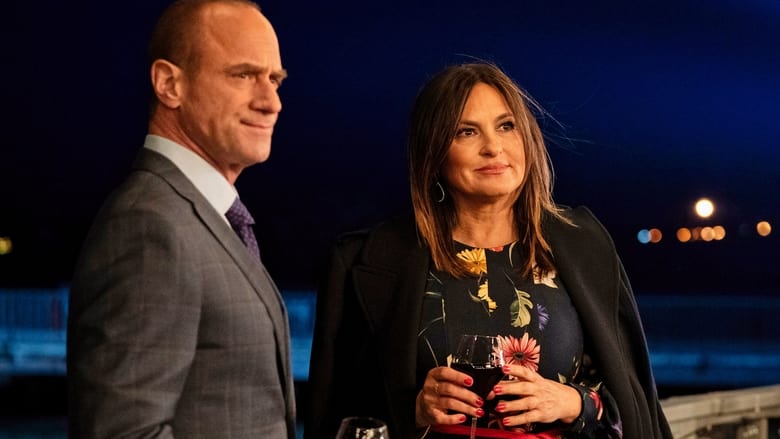
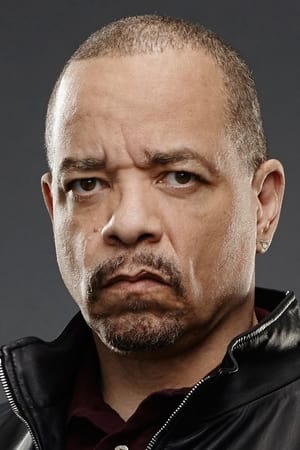
Law & Order: Special Victims Unit – Season 22 premiered on NBC on November 12, 2020. This season took place during a unique period in modern history, as the writers decided to set the story within the ongoing global pandemic. The episodes followed Captain Olivia Benson, played by Mariska Hargitay, as she navigated a New York City that was mostly shut down. The squad had to adjust to new safety protocols, including wearing masks and social distancing, while still investigating sensitive crimes in the city.
The season also focused heavily on the shifting social climate regarding police reform and racial justice. Following real-world events, the characters faced internal and external pressure to change how they conducted their investigations. This was especially true for Sergeant Fin Tutuola, played by Ice-T, and the new addition to the team, Kat Tamin, played by Jamie Gray Hyder. The legal side of the show continued to develop as Dominick Carisi, played by Peter Scanavino, worked to establish himself in his role as an Assistant District Attorney.
Is Law & Order: Special Victims Unit – Season 22 Safe to Watch? (Age Rating Guide)
Official age rating not available.
| Director | Norberto Barba |
| Main Cast | Mariska Hargitay, Ice-T, Kelli Giddish, Peter Scanavino, Jamie Gray Hyder |
| Release Year | 2020 |
| Genre | Crime, Drama, Mystery |
Why You Should Watch Law & Order: Special Victims Unit – Season 22
This season of Law & Order: Special Victims Unit stood out because it directly addressed the challenges of 2020. It did not ignore the pandemic or the calls for police accountability that were happening at the time. By including these themes, the show felt grounded in the reality of the characters’ lives in New York City. It showed the physical and mental toll that working in law enforcement took during a major health crisis.
Addressing the Pandemic and Public Health
The writers chose to integrate the pandemic into the daily life of the characters. You saw Olivia Benson and her team dealing with empty streets and the stress of potential exposure to the virus. This changed the way they interviewed witnesses and suspects. Many scenes took place in outdoor settings or through glass partitions to reflect the safety measures of the time.
This approach helped the show feel more current than many other police procedurals. It highlighted how the legal system struggled to keep up when courts were closed or delayed. Dominick Carisi faced several hurdles as an ADA when trying to bring cases to trial during the lockdown. This added a new layer of conflict to the standard procedural format of the series.
Exploring Social Reform and Police Bias
The premiere episode, titled “Guardians and Gladiators,” set the tone for the season. It involved a case in Central Park where racial bias played a significant role in the initial investigation. Captain Benson had to confront her own unconscious biases and the history of the department. This was a recurring theme throughout the sixteen episodes of the season.
Kat Tamin served as a voice for reform within the squad room. She often challenged the older members of the team, including Fin Tutuola, on how they handled suspects and community relations. This internal conflict created a dynamic where the characters were forced to grow and adapt to a changing world. It was a more self-reflective season than those that came before it.
The Return of Elliot Stabler
One of the most significant events in this season was the return of Elliot Stabler, played by Christopher Meloni. After being away from the series for a decade, his character reappeared in the episode “Return of the Prodigal Son.” This episode served as a crossover event with the new spin-off, Law & Order: Organized Crime. His return forced Olivia Benson to deal with the trauma of his sudden departure years earlier.
The reunion between Benson and Stabler was handled with a focus on their professional and personal history. It brought back a fan-favorite character while launching a new chapter for the franchise. The chemistry between Hargitay and Meloni remained a strong point for the production. This event provided a major emotional arc that spanned several episodes and linked the two shows together.
Character Development and Professional Growth
Amanda Rollins, played by Kelli Giddish, dealt with personal family struggles during this season. Her father’s health issues became a primary focus for her character. This allowed the show to explore her life outside of the precinct more deeply. Her relationship with Carisi also continued to evolve, providing a steady emotional subplot throughout the season.
Deputy Chief Christian Garland, played by Demore Barnes, faced political pressure from the upper levels of the NYPD. He tried to implement reforms while maintaining the respect of the officers under his command. His struggle showed the difficulty of changing a large institution from the inside. The season ended with questions about his future in the department, highlighting the cost of standing up for systemic change.
For verified credits, release details, or official resources, visit IMDb and Official Site.
Frequently Asked Questions
When was Law & Order: Special Victims Unit – Season 22 released?
Law & Order: Special Victims Unit – Season 22 was released on November 12, 2020.
What is Law & Order: Special Victims Unit – Season 22 about?
Law & Order: Special Victims Unit – Season 22 premiered on NBC on November 12, 2020. This season took place during a unique period in modern history, as the writers decided to set the story within the ongoing global pandemic.
Where can I watch Law & Order: Special Victims Unit – Season 22?
Law & Order: Special Victims Unit – Season 22 is available on Amazon Video, Apple TV, and Fandango At Home.