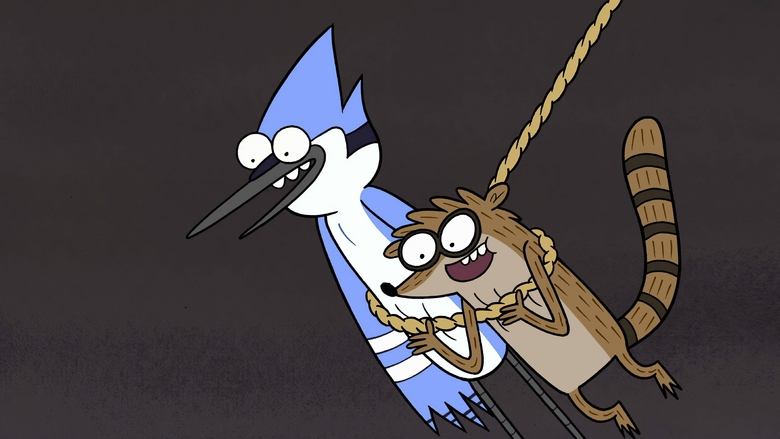
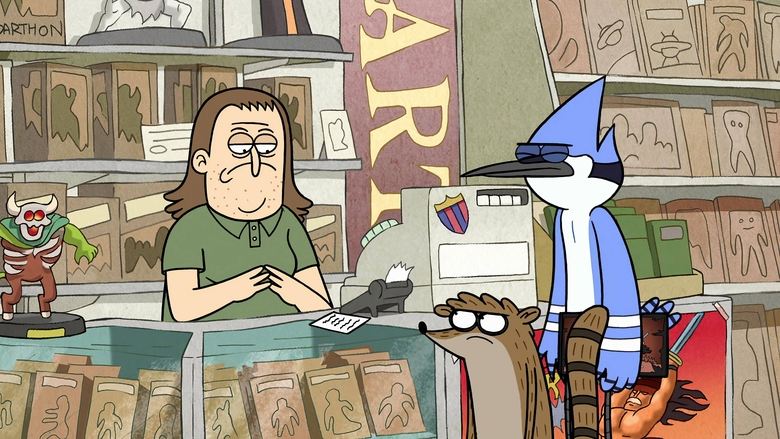
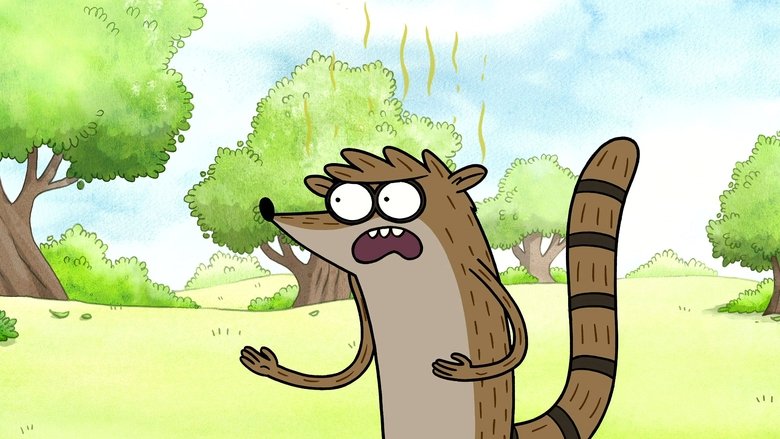
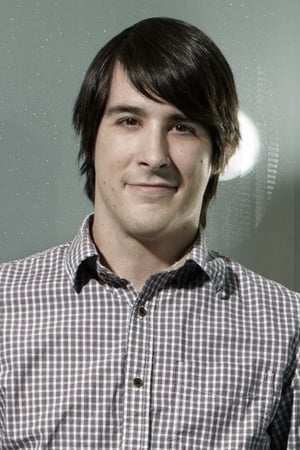
Regular Show – Season 2 premiered on Cartoon Network on November 29, 2010, marking a significant expansion in the narrative scale and world-building established by creator J.G. Quintel. The season follows Mordecai, a 23-year-old blue jay, and Rigby, a hyperactive raccoon, as they continue their employment as groundskeepers at a municipal park. Their primary conflict remains the persistent struggle between their inherent laziness and the professional expectations of their manager, Benson. While the first season introduced the show’s signature blend of mundane workplace comedy and supernatural escalation, this 28-episode installment solidifies the logic of its universe, where the most trivial tasks inevitably lead to cosmic catastrophes.
The season is characterized by its rigid structural formula: a grounded premise involving a social slight, a video game, or a chore spirals into a life-threatening encounter with interdimensional beings or ancient gods. This escalation is often triggered by the protagonists’ refusal to follow standard procedures or their attempts to take shortcuts in their responsibilities. Throughout the season, the setting of the park becomes a central character in itself, serving as a magnet for bizarre occurrences that range from time-traveling disputes to sentient arcade cabinets. The tone remains clinical and dry, emphasizing the characters’ nonchalant reactions to the absurdity surrounding them.
Why You Should Watch Regular Show – Season 2
Regular Show – Season 2 represents a peak in 2D animation during the early 2010s, successfully bridging the gap between child-oriented programming and adult-targeted humor. The season moves beyond the experimental nature of its predecessor to refine its unique pacing and visual language. It is essential viewing for those who appreciate the aesthetic of the 1980s, as the show frequently utilizes retro-technology and synth-heavy soundtracks to drive its plot. The character dynamics are more nuanced here, showing the deep-seated loyalty between the two leads despite their constant bickering.
The Art of Narrative Escalation
One of the primary reasons to watch this season is its mastery of the ‘escalation’ trope. Each episode starts with a highly relatable adult situation, such as the desire to win a free sandwich or the anxiety of asking a crush on a date. However, the writing shifts the stakes exponentially within the final five minutes of each segment. This formula is perfected in episodes like “High Score” and “It’s Time,” where emotional insecurity is externalized through massive, destructive forces. The transition from a quiet park setting to a literal battlefield is handled with a consistency that makes the surreal elements feel grounded in the characters’ psychological states.
The absurdity is never random; it is always a direct consequence of Mordecai or Rigby’s hubris or negligence. For instance, their attempts to cheat at a board game do not just result in a lost game but in the summoning of a demon that threatens to consume the park. This cause-and-effect relationship ensures that the show maintains a sense of internal logic, preventing the humor from feeling arbitrary. The visual payoff in these climactic scenes showcases the animation team’s ability to render complex, detailed monstrosities that contrast sharply with the simple, iconic designs of the main cast.
Workplace Hierarchy and Benson’s Authority
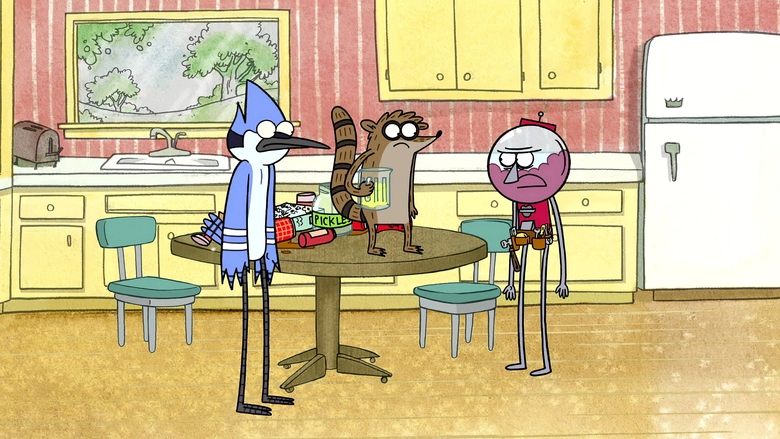
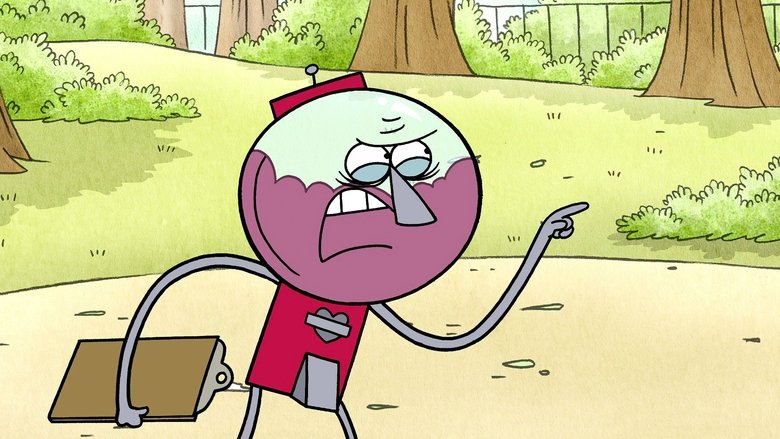
The season provides an analytical look at the frustrations of entry-level employment. Benson, an anthropomorphic gumball machine, embodies the archetype of the overworked middle manager. His interactions with Mordecai and Rigby provide the series with its emotional stakes, as the threat of termination is the only thing keeping the protagonists tethered to reality. In Season 2, Benson’s character is expanded to show his own failures and past as a legendary drummer, making him more than just a shouting antagonist. This adds a layer of tragicomedy to his character, as he is a man of talent stuck managing two highly unproductive employees.
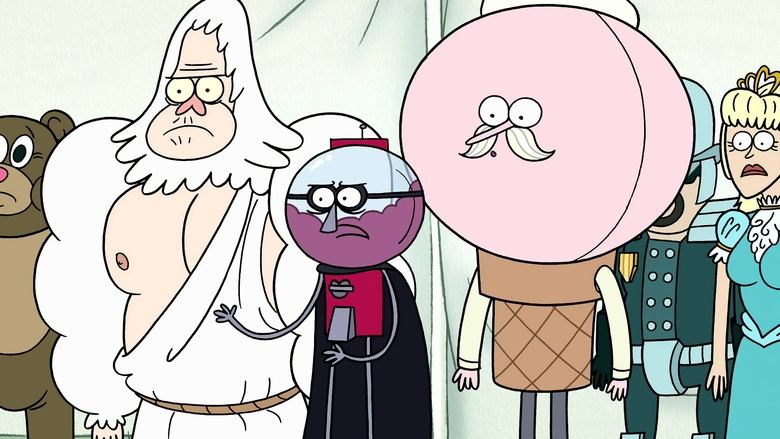
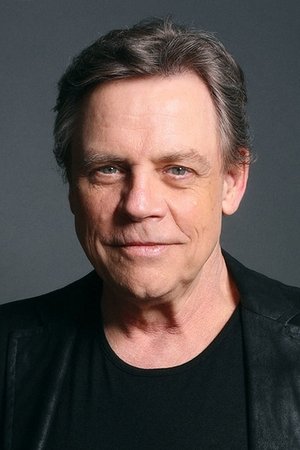
This workplace friction is further complicated by the inclusion of Muscle Man and Hi-Five Ghost, who serve as a secondary duo within the park. Their presence creates a competitive social environment, forcing Mordecai and Rigby to defend their reputations. The social dynamics of the park are depicted with a cold, observational style that mirrors real-world office politics. Even the immortal yeti Skips, voiced by Mark Hamill, functions as the ultimate problem-solver, representing the grizzled veteran employee who has seen every possible crisis and possesses the specialized knowledge to fix them.
Aesthetic Influences and Retro-Futurism
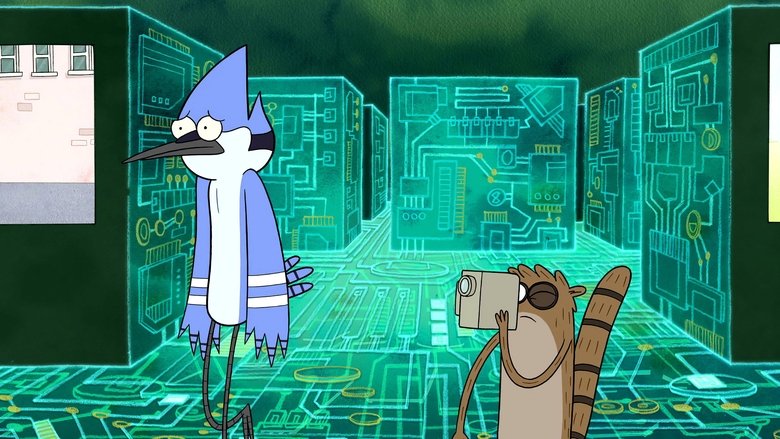
Visually, Regular Show – Season 2 is a tribute to the analog era. The show heavily utilizes imagery from the 1980s and 90s, including VHS tapes, Master System-style gaming consoles, and cassette players. These are not merely background details but are often the primary catalysts for the season’s supernatural events. The hand-drawn aesthetic, with its visible line work and textured backgrounds, provides a tactile quality that distinguishes it from the cleaner, more sterile digital animation found in contemporary series. This visual choice reinforces the show’s focus on the mundane and the aging infrastructure of the park.
The sound design is equally deliberate, utilizing a score that blends 80s pop influences with chiptune melodies. The soundtrack often punctuates the action during the climactic battles, creating a sense of cinematic importance for situations that are fundamentally ridiculous. This commitment to a specific stylistic era gives the show a timeless quality, appealing to older audiences who grew up with the technology being parodied. The animation style also allows for expressive physical comedy, particularly in the way Rigby reacts to physical trauma or Mordecai expresses social awkwardness around Margaret.
The Evolution of Supporting Roles
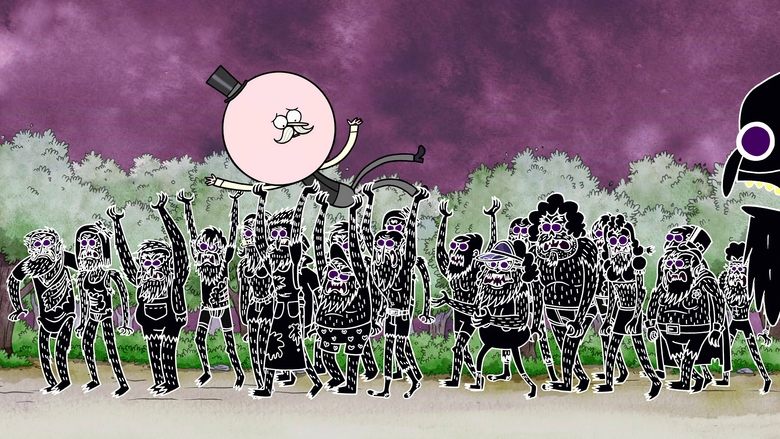
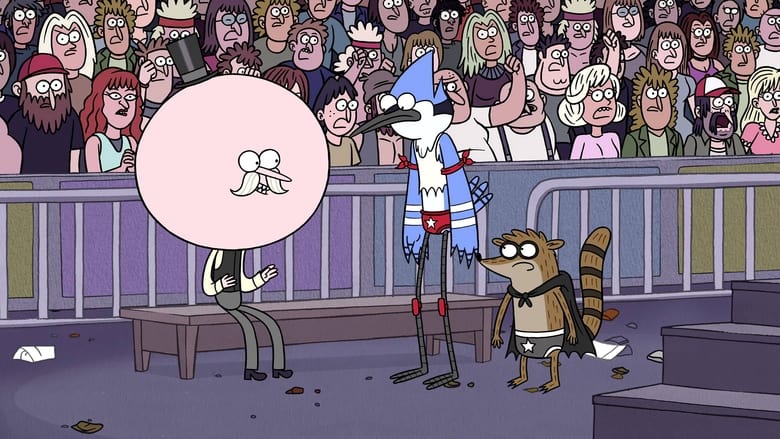
While the first season was primarily a two-character show, Season 2 broadens the focus to include the entire park staff. Pops Maellard, the eccentric and wealthy owner of the park, provides a whimsical contrast to Benson’s anger. His naive worldview often complicates the situations Mordecai and Rigby find themselves in, as he treats dangerous entities with polite hospitality. The development of these secondary characters allows the show to experiment with different comedic pairings, such as Benson and Skips working together to solve a problem that the protagonists caused.
Characters like Muscle Man receive significant focus in this season, establishing his signature humor centered around “My Mom” jokes and his abrasive, high-energy personality. This expansion is crucial for the show’s longevity, as it creates a community within the park that feels lived-in and functional. The interactions between these diverse personalities create a microcosm of society where everyone has a defined role, except for the protagonists, who are constantly trying to escape theirs. This tension between social roles and personal desire for freedom is the underlying theme of the entire season.
Is Regular Show – Season 2 Safe to Watch? (Age Rating Guide)
Official age rating not available.
Browse more curated picks in Regular Show and TV Shows.
For verified credits, release details, or official resources, visit IMDb and Official Site.
| Director | Not available |
|---|---|
| Main Cast | J.G. Quintel, William Salyers, Mark Hamill, Sam Marin |
| Release Year | 2010 |
| Genre | Action & Adventure, Animation, Comedy |
Frequently Asked Questions
When was Regular Show – Season 2 released?
Regular Show – Season 2 was released on November 29, 2010.
What is Regular Show – Season 2 about?
Regular Show – Season 2 premiered on Cartoon Network on November 29, 2010, marking a significant expansion in the narrative scale and world-building established by creator J.G. Quintel.
Where can I watch Regular Show – Season 2?
Regular Show – Season 2 is available on Amazon Video, Fandango At Home, and Hulu.