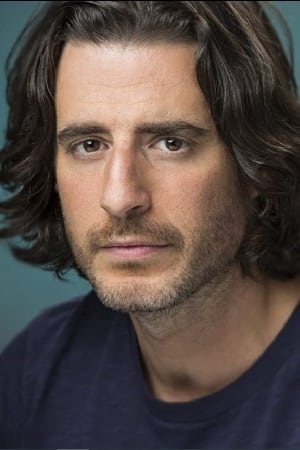
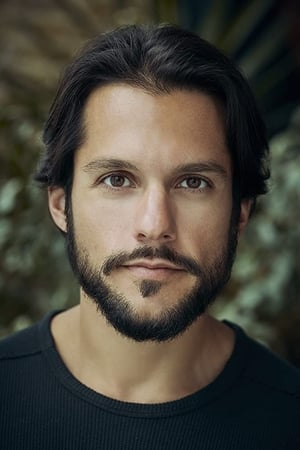
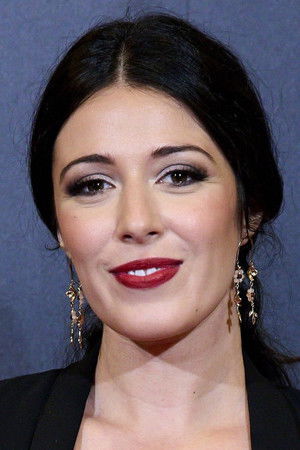
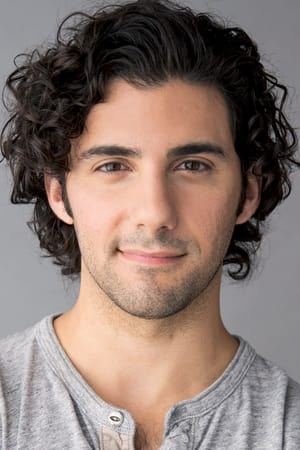
The Chosen – Season 3 continued the historical drama about the life and ministry of Jesus of Nazareth. The season picked up directly after the Sermon on the Mount, an event that shifted the trajectory of the series and the characters involved. This season focused on the practical and social consequences of Jesus’ teachings as his followers returned to their daily lives in Capernaum. It showed the struggle of the disciples as they attempted to balance their personal responsibilities with the increasing demands of their new calling. Jonathan Roumie returned as Jesus, leading a cast that navigated the complexities of faith in a world occupied by the Roman Empire.
The season consisted of eight episodes and followed the group as they were sent out on their first independent missions. This was a significant shift in the story, as the disciples had to perform their duties without Jesus physically present with them. The narrative also expanded to include the tensions in the Decapolis, a region where different cultural and religious groups lived in close proximity. This season placed a heavy emphasis on the domestic lives of the followers, particularly the marriage of Simon Peter and Eden. By focusing on these smaller, personal moments, the show established a grounded tone that contrasted with the large-scale events that concluded the season. For more context on the previous events, you can check out the main page for The Chosen.
Is The Chosen – Season 3 Safe to Watch? (Age Rating Guide)
Official age rating not available.
Why You Should Watch The Chosen – Season 3
The Chosen – Season 3 offered a detailed look at the difficulties of following a new path while dealing with old problems. It moved away from the introductory phase of the first two seasons and moved into the more complicated realities of the ministry. The writing focused on the individual identities of the twelve disciples, giving each a distinct perspective on the work they were asked to do. The season maintained a balance between quiet character studies and significant historical recreations. It was a production that relied on factual historical contexts of the first century to build its world.
The Disciples Face Individual Challenges
A major focus of this season was the instruction for the disciples to go out in pairs. Jesus sent them to various towns to preach and heal, which forced them to rely on their own faith. This choice by the writers allowed for several smaller subplots that examined the relationships between specific disciples. For example, the pairing of Matthew and Simon Peter highlighted the lingering resentment Simon felt toward a former tax collector. These interactions were grounded in the characters’ backstories and showed how they managed their differences to achieve a common goal.
The season also addressed the personal burdens of the disciples. Little James, played by Jordan Walker Ross, had a specific conversation with Jesus about his physical disability. This scene was noted by many for its direct and unsentimental approach to the topic of healing. It showed that the followers of Jesus were not perfect or physically whole, but they were still chosen for a purpose. This thematic thread ran through the entire season, emphasizing that the mission was difficult even for those closest to the center of the movement.
The Return to Nazareth and Rejection
In the sixth episode, titled “Physician, Heal Yourself,” Jesus returned to his hometown of Nazareth. This episode was a significant turning point for the character as he confronted the community that raised him. The script followed the biblical account of the rejection in the synagogue, where the townspeople refused to accept Jesus as anything more than the son of Joseph the carpenter. Jonathan Roumie portrayed a version of Jesus who felt the weight of this rejection personally, showing a range of human emotion as he left his home.
This episode also provided background on the family of Jesus. It included scenes with Mary, played by Vanessa Benavente, and showed her perspective on her son’s increasing notoriety and the danger he faced. The rejection in Nazareth served as a reminder that the ministry was not always met with praise. It foreshadowed the opposition that would continue to grow from both religious leaders and the Roman authorities in subsequent seasons. The production design for the Nazareth scenes was simple and practical, reflecting the modest nature of the town.
Managing the Practical Needs of the Decapolis
The season moved into the Decapolis, a region characterized by a mix of Jews and Gentiles. This transition introduced new cultural conflicts that the disciples had to navigate. The story showed how the teachings of Jesus began to reach people outside of the traditional Jewish community. This led to confusion and logistical problems as thousands of people gathered to hear Jesus speak. The disciples were often overwhelmed by the needs of these crowds, which set the stage for the final large-scale event of the season.
The characters of Gaius and Quintus also played expanded roles this season. As Roman officials, they represented the external pressure on the ministry. Gaius, a centurion, was shown to be increasingly curious and sympathetic toward the movement, while Quintus remained a practical administrator concerned with keeping order. Their presence reminded the audience that the events were taking place within a specific political reality. The tension between the Roman occupiers and the Jewish population was a constant background element in every episode.
The Technical Scale of the Production
The finale of The Chosen – Season 3 featured the recreation of the Feeding of the 5000. This was one of the largest scenes filmed for the series to date. The production team used thousands of actual background actors, many of whom were donors to the show’s crowdfunding campaign. This logistical achievement was a major part of the season’s production history. Filming took place in Midlothian, Texas, on a site specifically built to represent first-century Israel. This permanent set allowed for more elaborate shots and a consistent look for the town of Capernaum.
The visual style of the season remained consistent with previous entries, using handheld cameras and natural lighting to create a sense of proximity to the characters. The music, composed by Dan Haseltine and Matthew S. Nelson, continued to use a blend of Middle Eastern instruments and modern electronic sounds. This helped distinguish the show from more traditional religious films. You can find more details about the production and cast on the official IMDb page. Overall, the season was a technical step up from previous years, reflecting the increased budget and resources available to the creators.
| Director | Not available |
|---|---|
| Main Cast | Jonathan Roumie, Shahar Isaac, Elizabeth Tabish, Paras Patel, Noah James |
| Release Year | 2022 |
| Genre | Action & Adventure, Drama, Family |
Frequently Asked Questions
When was The Chosen – Season 3 released?
The Chosen – Season 3 was released on December 11, 2022.
What is The Chosen – Season 3 about?
Jesus gives a sermon that turns the world upside down, and all 12 disciples are ready to follow him to the ends of the earth.
Where can I watch The Chosen – Season 3?
The Chosen – Season 3 is available on Amazon Prime Video, Amazon Prime Video with Ads, and Amazon Video.