The Simpsons – Season 6, which debuted on September 4, 1994, represents a pivotal era in television animation history. Under the direction of executive producer David Mirkin, the season consists of 25 episodes that transitioned the series from character-based sitcom tropes toward high-concept satire and surrealist humor. This production cycle is widely documented as the peak of the show’s “Golden Age,” balancing deep emotional stakes with increasingly complex parodies of American culture and cinema.The central narrative of Season 6 follows the Simpson family through a series of escalating crises within the town of Springfield. Key storylines include Homer Simpson discovering a clandestine society, Marge Simpson attempting to reform local law enforcement, and a town-wide conspiracy regarding the health of a primary antagonist. The season is unique for its use of a two-part cliffhanger structure, a rarity for the series at that time, which mobilized a significant cultural response during its initial broadcast.
Why You Should Watch The Simpsons – Season 6
The Simpsons – Season 6 is essential viewing for those interested in the evolution of adult animation and satirical writing. It contains some of the most technically ambitious episodes produced by Film Roman, utilizing cinematic lighting and experimental pacing. The season effectively deconstructs various genres, from film noir and political thrillers to science fiction and classic horror. The writing staff, which included John Swartzwelder and Greg Daniels, refined the show’s ability to provide multiple layers of humor that appeal to diverse demographics simultaneously.
The Simpsons – Season 6 Plot Summary
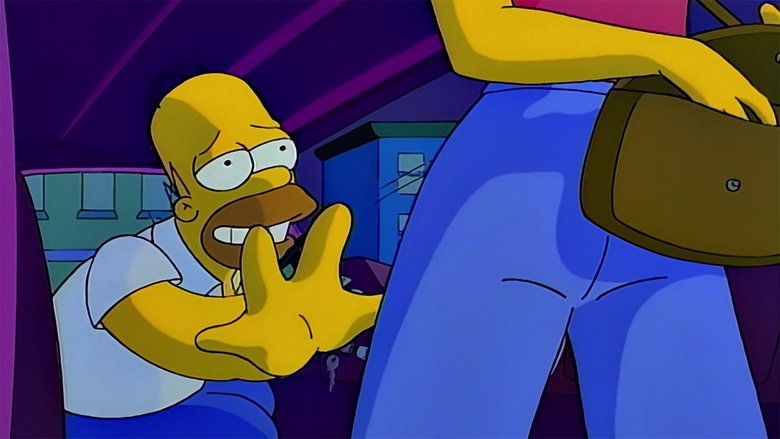
The season opens with “Bart of Darkness,” an episode that utilizes the framing of Alfred Hitchcock’s Rear Window to explore Bart Simpson’s isolation. After breaking his leg, Bart becomes obsessed with the activities of Ned Flanders, leading to a narrative centered on voyeurism and suburban paranoia. This established a season-long trend of using classic cinema as a vehicle for character study and environmental world-building within Springfield.In “Homer the Great,” the plot focuses on Homer Simpson’s discovery of the Stonecutters, an ancient secret society. The episode examines themes of belonging and the corruption inherent in exclusive power structures. Homer transitions from an outsider to a reluctant leader, only to find that the benefits of status are secondary to his need for genuine social connection. The episode is notable for its musical number “We Do,” which highlights the show’s increasing reliance on original compositions.The season concludes with the influential “Who Shot Mr. Burns? (Part One).” This episode serves as a structural departure for the series, creating a whodunit mystery after Mr. Burns successfully blocks the sun and alienates the entire town. Every major character, from Waylon Smithers to Maggie Simpson, is presented with a clear motive for the crime. This narrative choice shifted the show’s dynamic from self-contained episodes to a serialized event that captured global attention.
The Simpsons – Season 6 Cast, Characters, and Arc
The primary vocal performances in The Simpsons – Season 6 are provided by a core ensemble that maintains continuity across the series:
- Dan Castellaneta as Homer Simpson, Grampa Simpson, and Krusty the Clown.
- Julie Kavner as Marge Simpson, Patty, and Selma Bouvier.
- Nancy Cartwright as Bart Simpson and Nelson Muntz.
- Yeardley Smith as Lisa Simpson.
- Hank Azaria as Moe Szyslak, Chief Wiggum, and Apu Nahasapeemapetilon.
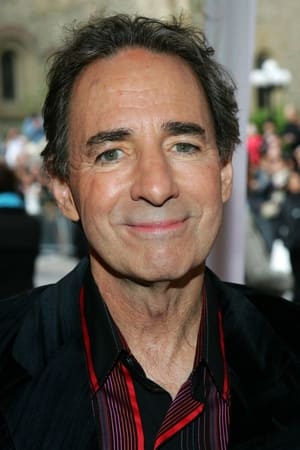
- Harry Shearer as Mr. Burns, Waylon Smithers, and Principal Skinner.
Character Development and Evolution
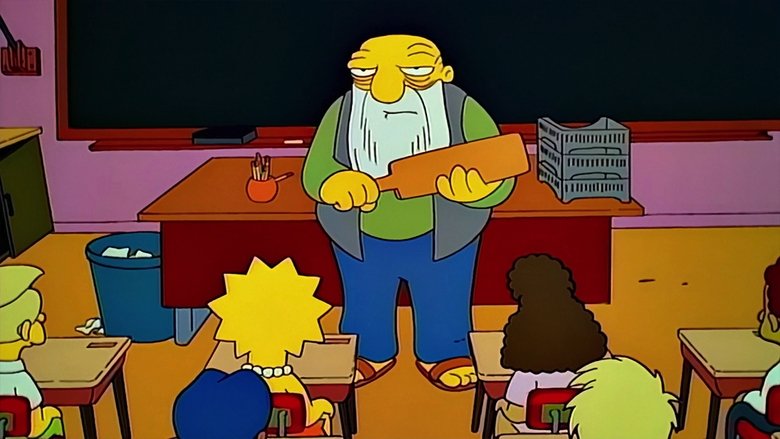
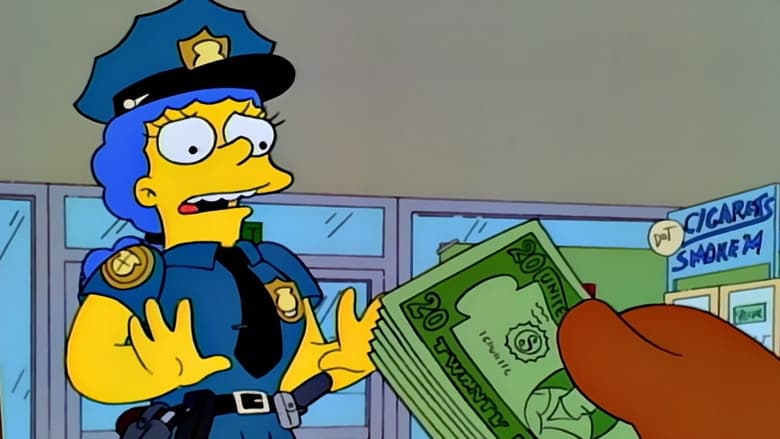
Lisa Simpson experiences significant intellectual growth in episodes like “Lisa’s Rival,” where she must contend with the presence of Allison Taylor (voiced by Winona Ryder). This arc explores Lisa’s insecurities regarding her academic status and her moral compass. Similarly, Marge Simpson seeks professional fulfillment in “The Springfield Connection,” where she joins the police force. Her character arc highlights the friction between her desire for civic order and the inherent corruption of the town’s institutions.
Notable Guest Appearances
The season features a high density of notable guest stars who provide voices for one-off characters that challenge the central cast. Patrick Stewart voices Number One in the Stonecutters episode, while Meryl Streep voices Jessica Lovejoy, a character who subverts Bart‘s expectations of morality. These guest performances were used to expand the social hierarchy of Springfield without disrupting the established chemistry of the lead voice actors.
How The Simpsons – Season 6 Fits the Series
The Simpsons – Season 6 occupies a central position in the show’s history as it marks the completion of the transition into “surrealism.” Under the supervision of David Mirkin, the show moved away from the more grounded family dynamics of the Matt Groening and James L. Brooks era. This season introduced more rapid-fire gag writing and meta-commentary about the nature of television itself.
Production Standards
The animation quality reached a new plateau during this period. The use of more complex color palettes and dynamic camera movements allowed for better visual storytelling. This is most evident in “Treehouse of Horror V,” which parodies The Shining with high fidelity to the original film’s visual style. The season solidified the aesthetic that would define the series for the remainder of the 1990s.
Legacy and Impact
The mystery of Mr. Burns remains one of the most successful marketing and narrative gambits in animated television. By ending the season on a cliffhanger, the producers proved that The Simpsons could handle complex, multi-episode arcs while maintaining its comedic identity. This season also refined the “clip show” format in “Another Simpsons Clip Show,” which used past footage to explore the romantic histories of the characters.
Where to Watch The Simpsons – Season 6
Viewers can access The Simpsons – Season 6 through several digital and streaming platforms. Availability may vary by region, but the following providers are confirmed sources:
- Disney Plus: Features the entire season in both original and remastered formats.
- Amazon Video: Available for digital purchase on an episode or season basis.
- Apple TV: Provides high-definition digital copies for purchase.
- Google Play Movies: Offers the full season for streaming on compatible devices.
Is The Simpsons – Season 6 Safe to Watch? (Age Rating Guide)
Official age rating not available.
Browse more curated picks in The Simpsons and TV Shows.
For verified credits, release details, or official resources, visit IMDb and Official Site.
| Director | Not available |
|---|---|
| Main Cast | Dan Castellaneta, Julie Kavner, Nancy Cartwright, Yeardley Smith, Hank Azaria |
| Release Year | 1994 |
| Genre | Animation, Comedy, Family |
Frequently Asked Questions
When was The Simpsons – Season 6 released?
The Simpsons – Season 6 was released on September 4, 1994.
What is The Simpsons – Season 6 about?
The Simpsons – Season 6 is available on Flixr.
Where can I watch The Simpsons – Season 6?
The Simpsons – Season 6 is available on Amazon Video, Apple TV, and Disney+.