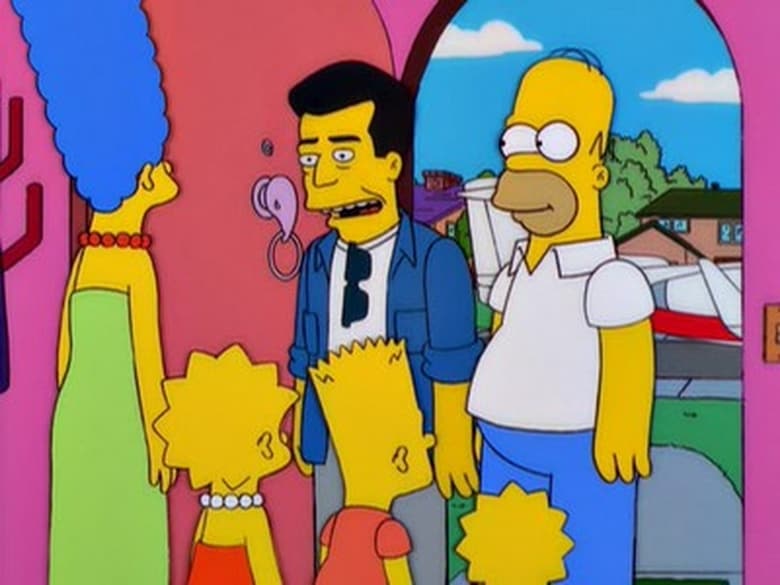
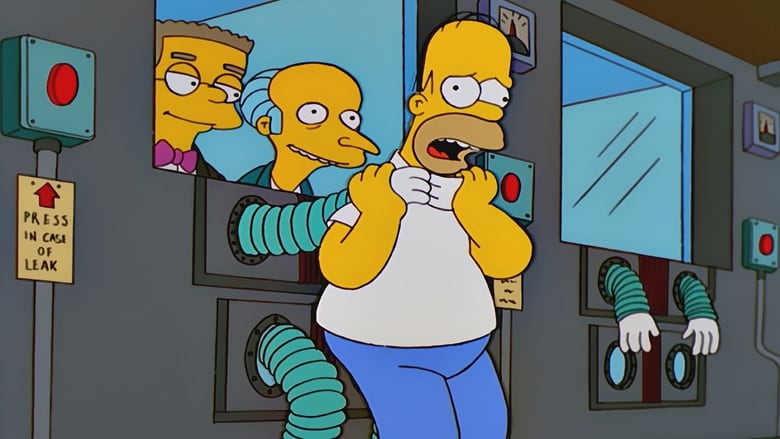
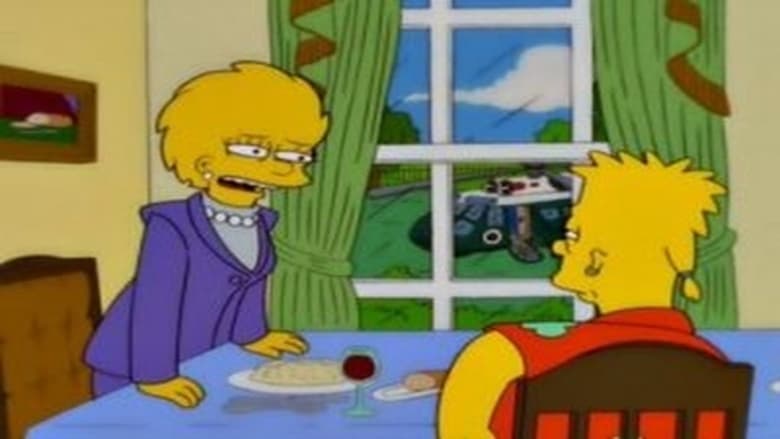
The Simpsons – Season 11, which aired between 1999 and 2000, marks a significant transition in the creative direction of the long-running animated sitcom. Under the leadership of executive producer Mike Scully, this season further distances itself from the grounded, family-centric narratives of the early 1990s in favor of high-concept, absurdist plotlines. The season consists of 22 episodes that frequently place the family in surreal circumstances, ranging from missionary work in the South Pacific to domestic conflicts involving Hollywood celebrities.
The narrative structure of this season is characterized by Homer Simpson’s increasingly erratic behavior, a trend often discussed by critics as the emergence of “Jerkass Homer.” The show’s internal logic becomes more fluid, allowing for slapstick and sight gags to supersede traditional character development. This era is notable for its reliance on guest stars and its willingness to break the fourth wall, culminating in a meta-fictional finale that examines the fictional reality of the Simpson family itself.
The Scully Era and Tone Shift
The production of The Simpsons – Season 11 is defined by the specific editorial voice of Mike Scully. During this period, the writing staff shifted focus toward fast-paced, joke-dense scripts that prioritized immediate comedic impact over long-form emotional resonance. This resulted in a series of episodes where the initial premise often shifts radically by the second act, a technique used to maintain a high gag-per-minute ratio.
Critics frequently point to this season as the peak of the show’s “surrealist” phase. The family is no longer confined to the domestic sphere of Springfield. Instead, they interact with international figures and participate in events that defy realistic constraints. The animation, handled by Film Roman, remains consistent with the established aesthetic but adapts to the increasing demands of the action-heavy sequences prevalent in this season.
Narrative Consequences and Character Deaths
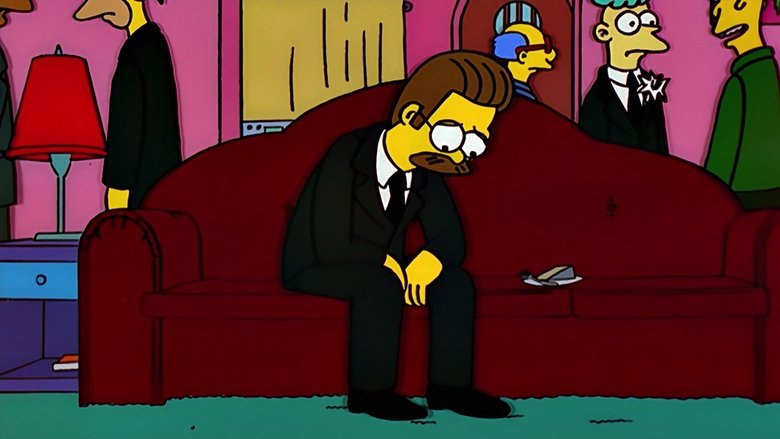
One of the most consequential events in the history of the series occurs in the episode “Alone Again, Natura-Diddily.” The permanent death of Maude Flanders, wife of Ned Flanders, served as a rare instance of permanent change in a medium typically defined by its “status quo” reset. This decision was largely driven by a contract dispute with voice actress Maggie Roswell, leading the writers to write the character out of the show permanently.
- Ned Flanders is forced to navigate life as a widower, providing a darker comedic undertone to his character.
- The episode remains controversial among fans for the manner of the character’s death, which involved a t-shirt cannon at a racetrack.
- This development signaled that even recurring side characters were not immune to the show’s shifting narrative priorities.
Production Context and Voice Talent
The voice cast, including Dan Castellaneta, Julie Kavner, and Hank Azaria, continued to define the auditory identity of the show. However, the season is perhaps most famous for its extensive list of celebrity cameos. Unlike earlier seasons where celebrities voiced original characters, Season 11 frequently featured celebrities playing themselves, which critics argued altered the show’s satirical edge.
The episode “Beyond Blunderdome” features Mel Gibson, while “Hello Gutter, Hello Fadder” includes Penn & Teller. This reliance on guest power was a tactical move to maintain high ratings on Fox during a competitive period in television history. Despite the tonal shifts, the season maintained strong viewership and continued to garner awards, including an Emmy for the episode “Behind the Laughter.”
Deconstructing the Sitcom Formula
The season finale, “Behind the Laughter,” is a pivotal moment in the series’ history. It adopts the format of a VH1 “Behind the Music” documentary to treat the Simpson family as real-life actors playing roles in a sitcom. This meta-commentary allowed the writers to acknowledge and satirize the very tropes and “jump the shark” moments that some fans had begun to criticize.
This episode effectively serves as a critique of fame, the television industry, and the repetitive nature of long-running series. By acknowledging the absurdity of their own history—such as Homer‘s numerous jobs and the family’s unchanging ages—the show attempted to preemptively address its own longevity. It remains one of the most critically acclaimed episodes of the Scully tenure for its sharp writing and innovative structure.
The Rise of Absurdist Plotting
Examples of the season’s move toward the surreal include the introduction of “Tomacco” in the episode “E-I-E-I-(Annoyed Grunt).” The plot involves Homer accidentally creating a highly addictive tobacco-tomato hybrid using plutonium. This storyline exemplifies the season’s willingness to lean into science fiction and dark corporate satire, as big tobacco companies attempt to seize the dangerous crop.
Similarly, the episode “Saddlesore Galactica” features Homer and Bart discovering a secret society of jockeys who are actually malevolent underground elves. Such plot points represent a departure from the satirical social commentary of the Oakley and Weinstein years. The focus moved toward exploring how far the animated medium could be pushed into the realm of the bizarre while still retaining the core audience.
Is The Simpsons – Season 11 Safe to Watch? (Age Rating Guide)
Official age rating not available.
Why You Should Watch The Simpsons – Season 11
The Simpsons – Season 11 is essential for understanding the evolution of modern animation. It bridges the gap between the grounded sitcom style of the early 90s and the fast-paced, reference-heavy humor that would dominate the 2000s. The season contains several landmark cultural moments, including the death of Maude Flanders and the award-winning meta-commentary of “Behind the Laughter.” It serves as a comprehensive look at Springfield at the turn of the millennium, reflecting the technological and social anxieties of the era with a cynical, high-energy comedic lens.
| Director | Not available |
|---|---|
| Main Cast | Dan Castellaneta, Julie Kavner, Nancy Cartwright, Yeardley Smith, Hank Azaria |
| Release Year | 1999 |
| Genre | Animation, Comedy, Family |
Browse more curated picks in The Simpsons and TV Shows.
For verified credits, release details, or official resources, visit IMDb and Official Site.
Frequently Asked Questions
When was The Simpsons – Season 11 released?
The Simpsons – Season 11 was released on September 26, 1999.
What is The Simpsons – Season 11 about?
The Simpsons – Season 11, which aired between 1999 and 2000, marks a significant transition in the creative direction of the long-running animated sitcom.
Where can I watch The Simpsons – Season 11?
The Simpsons – Season 11 is available on Amazon Video, Apple TV, and Disney+.