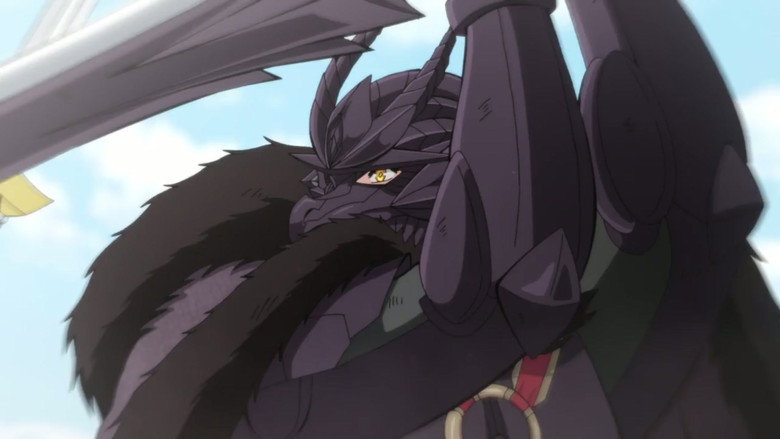
The Warrior Princess and the Barbaric King – Season 1 is an animated series that premiered on April 9, 2026. The show follows Seraphina, a proud princess and skilled knight from the Kingdom of Solstheim, who was captured during a failed military campaign. The series centers on the unexpected development when her captor, King Kael of the northern clans, chose not to execute her but instead proposed a political marriage to settle a long-standing border dispute.
This production belongs to the animation, comedy, and sci-fi and fantasy genres, blending physical action with situational humor. Sayumi Suzushiro provided the voice for Seraphina, while Satoshi Inomata voiced King Kael. The series examined the friction between two different social systems, focusing on Seraphina’s struggle to maintain her knightly dignity while living among a culture she previously viewed as uncivilized. The narrative focused on their daily interactions as they managed the internal politics of the northern tribes and the external pressure from Seraphina’s home kingdom.
Why You Should Watch The Warrior Princess and the Barbaric King – Season 1
The first season of The Warrior Princess and the Barbaric King stands out for its subversion of traditional fantasy tropes. While the title suggested a standard conflict, the writing focused heavily on the logistical and social challenges of merging two opposing cultures. The contrast between Seraphina’s rigid, protocol-driven behavior and King Kael’s blunt, practical approach provided a consistent source of character growth. Viewers saw how the characters adapted to new environments without losing their core identities.
The Subversion of Fantasy Tropes
Unlike many fantasy series that rely on constant combat, this show prioritized the political and social aftermath of a war. Seraphina was not portrayed as a victim but as a strategic asset who had to learn the value of her new position. Her transition from a military commander to a queen in a foreign land was handled with factual detail. The script highlighted the specific difficulties of food preparation, housing, and social hierarchy in the northern territories.
King Kael was also presented with more depth than the “barbaric” label implied. He was shown as a leader who valued the survival of his people over the glory of the battlefield. This pragmatic nature created a unique dynamic when paired with Seraphina’s traditional views on honor. The show used these differences to create comedy that was grounded in the characters’ personalities rather than slapstick gags.
High-Quality Animation and Visual Design
The visual presentation of the series was a significant factor in its reception. The animators utilized a distinct color palette to differentiate the two kingdoms. The Kingdom of Solstheim was depicted with bright golds and polished white stones, reflecting its focus on wealth and order. In contrast, King Kael’s domain featured deep blues, greys, and natural textures like fur and timber, which emphasized the cold and rugged environment.
Character designs remained consistent throughout the season, with detailed armor and clothing that reflected each culture’s values. The action sequences, though less frequent than the dialogue scenes, were animated with clear movements and stable perspectives. This helped ground the fantasy elements in a believable reality. The inclusion of Hana Hishikawa and Aki Toyosaki in the supporting cast added vocal range to the various tribal leaders and palace officials introduced throughout the season.
A Balanced Mix of Comedy and Drama
The comedy in the series was often derived from the cultural misunderstandings between the protagonists. For instance, Seraphina’s attempts to introduce formal southern etiquette to a group of northern warriors often resulted in unexpected outcomes. These moments were balanced by more serious discussions about the future of the two nations. The show avoided making the conflict feel trivial, ensuring the political stakes remained clear.
The season also benefited from a strong supporting cast that expanded the world beyond the two main characters. The interactions between the northern generals and the southern diplomats provided a broader view of the world. This helped the viewer understand that the marriage was not just a personal matter but a historical shift for the entire continent. The pacing remained steady, with each episode focusing on a specific challenge the new couple had to face together.
For those interested in the broader catalog of animated releases, you can find more information on similar TV Shows available now. Detailed production records and user ratings for this specific entry are also available on its IMDb page.
Is The Warrior Princess and the Barbaric King – Season 1 Safe to Watch? (Age Rating Guide)
Official age rating not available.
| Director | Not available |
|---|---|
| Main Cast | Sayumi Suzushiro, Satoshi Inomata, Hana Hishikawa, Aki Toyosaki |
| Release Year | 2026 |
| Genre | Animation, Comedy, Sci-Fi & Fantasy |
Frequently Asked Questions
When was The Warrior Princess and the Barbaric King – Season 1 released?
The Warrior Princess and the Barbaric King – Season 1 was released on April 9, 2026.
What is The Warrior Princess and the Barbaric King – Season 1 about?
The Warrior Princess and the Barbaric King – Season 1 is available on Flixr.
Where can I watch The Warrior Princess and the Barbaric King – Season 1?
Official streaming platforms for The Warrior Princess and the Barbaric King – Season 1 have not been confirmed.