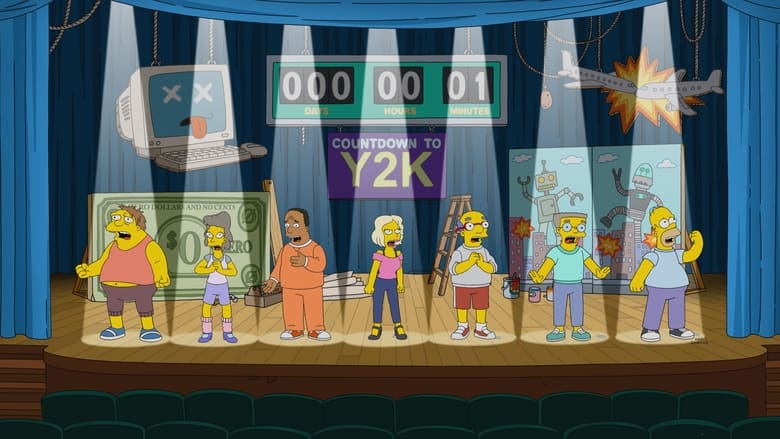
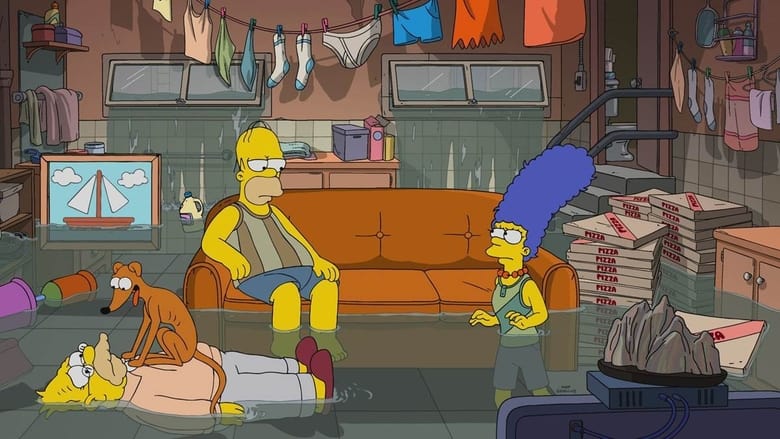
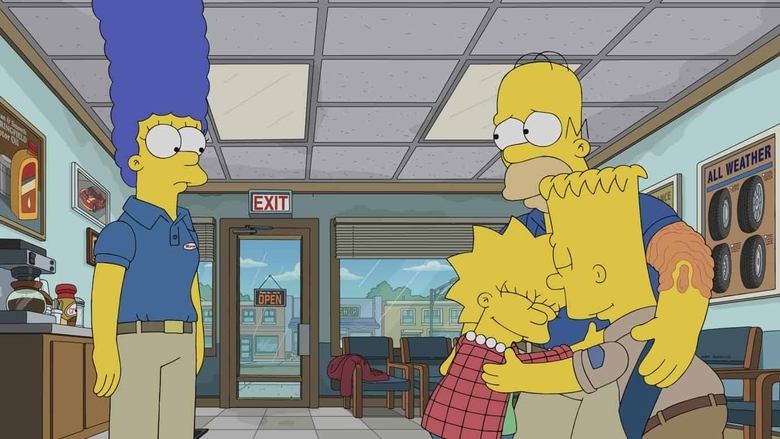
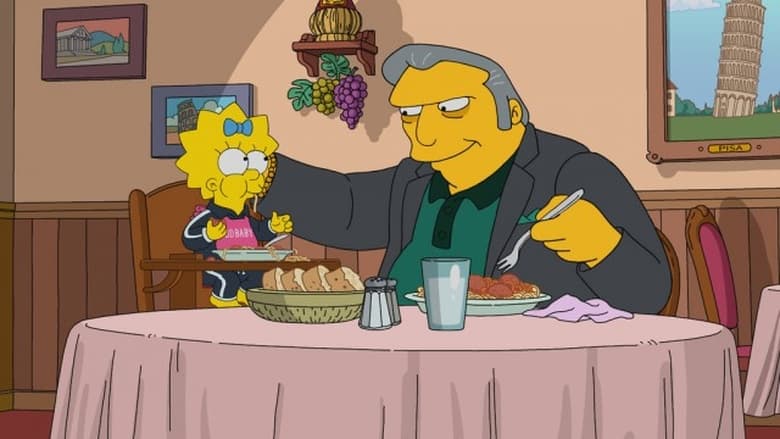
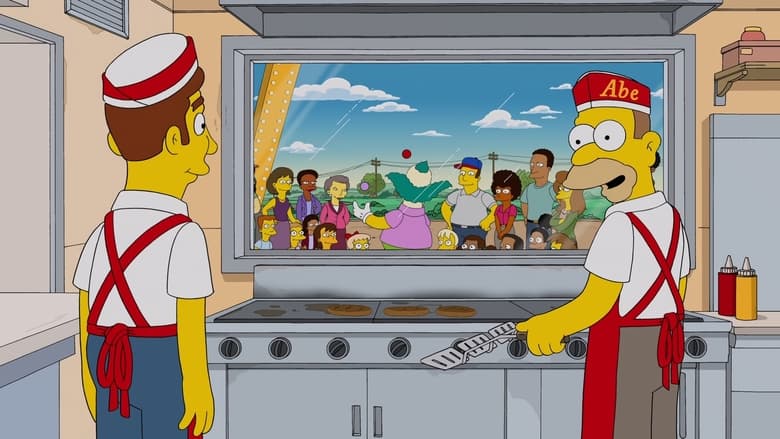
The Simpsons – Season 33 premiered on September 26, 2021, and concluded its broadcast run in May 2022. This season consists of 22 episodes that depart from the traditional episodic structure seen in earlier years of the long-running animated series. Under the leadership of executive producer Matt Selman, the production team introduced more experimental narrative formats and multi-part stories to provide variety for long-term viewers.
The season began with an ambitious musical episode titled “The Star of the Backstage,” featuring the singing voice of Kristen Bell for the character Marge Simpson. Throughout the year, the writers focused on expanding the backstories of secondary characters like Waylon Smithers and Ned Flanders. The season utilized a mix of satirical takes on modern streaming culture, prestige television dramas, and social media trends to keep the humor grounded in current cultural shifts.
Why You Should Watch The Simpsons – Season 33
The Simpsons – Season 33 offers a significant shift in tone compared to previous years by embracing serialized storytelling and high-concept parodies. One of the strongest reasons to watch this season is the two-part episode “A Serious Flanders.” This story arc serves as a direct parody of gritty crime dramas and films by the Coen brothers, moving away from the bright, consequence-free world of Springfield. It features guest voices like Brian Cox and Cristin Milioti, providing a darker and more cohesive narrative than the typical eleven-minute plot segments.
Another reason this season stands out is its willingness to update the personal lives of its supporting cast. In “Portrait of a Lackey on Fire,” Waylon Smithers, voiced by Harry Shearer, enters a meaningful relationship with a billionaire fashion designer voiced by Victor Garber. This episode moved past simple jokes about Smithers and his secret crush on Mr. Burns, offering a more grounded look at his character. The focus on character growth within an established sitcom framework shows the series’ ability to adapt its long-standing dynamics.
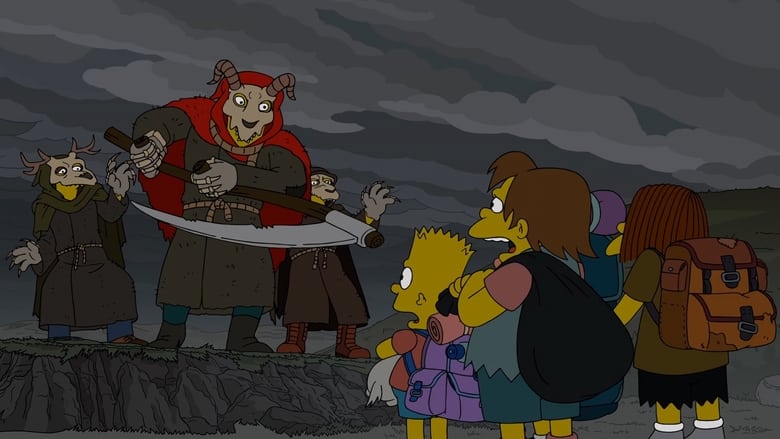
The technical aspects of the season also show progression in the animation style and musical composition. The musical premiere used original songs to drive the plot, while other episodes like “Treehouse of Horror XXXII” explored different visual languages. That specific Halloween special included a segment that parodied the art style of The Babadook and another that utilized the aesthetic of Death Note. These visual risks make the season feel distinct from the standard animation template used in the mid-2000s and 2010s.
Experimental Narrative Structures
The writers broke the standard sitcom mold frequently in this season. “The Sound of Bleeding Gums” followed Lisa Simpson as she tracked down the family of her late mentor, Bleeding Gums Murphy. This episode explored the legacy of jazz music and the ethics of commercializing artistic work. By focusing on the consequences of character actions over multiple scenes, the season felt less like a collection of gag-heavy skits and more like a series of short films about the residents of Springfield.
The inclusion of the episode “Pixelated and Afraid” also marked a high point for the season. It stripped away the usual frantic pacing and side characters to focus entirely on the relationship between Homer Simpson and Marge Simpson. Stranded in the wilderness after a car accident, the couple had to rely on their survival skills and their bond. This quiet, character-driven approach provided a contrast to the high-energy satire found in other parts of The Simpsons – Season 33.
Modern Cultural Satire
The season did not shy away from examining modern digital life. In episodes like “The Longest Marge,” the show looked at the world of sports gambling and social media influence. The plot followed Marge as she navigated the complexities of corporate sponsorship in youth sports. This allowed the show to comment on how technology and corporate interests have changed the way families interact in the 2020s.
Additionally, the finale “Poorhouse Rock” served as a critique of the changing American economy. With music and guest appearances from Hugh Jackman, the episode explained the shift from traditional middle-class jobs to the modern gig economy. This factual approach to social issues, paired with the show’s signature dry humor, ensured that The Simpsons – Season 33 remained relevant to adult audiences who grew up with the earlier seasons of The Simpsons.
Voice Cast and Guest Stars
The core voice cast remains the backbone of the production. Dan Castellaneta continues to voice Homer, Grampa, and Barney Gumble, while Julie Kavner provides the distinctive voice of Marge. Nancy Cartwright and Yeardley Smith return as Bart and Lisa, respectively. The consistency of these performances allows the show to experiment with the script because the foundation of the characters remains recognizable to the audience.
Guest stars in this season were used for specific thematic purposes rather than just celebrity cameos. John Lithgow appeared in the crime-focused episodes, and Kumail Nanjiani lent his voice to a story about the tech industry. These actors brought a level of gravitas to their roles that matched the more serious tone of the season’s experimental arcs. For viewers interested in high-quality voice acting, this season provides some of the most diverse performances in the show’s recent history.
Is The Simpsons – Season 33 Safe to Watch? (Age Rating Guide)
Official age rating not available.
For verified credits, release details, or official resources, visit IMDb and Official Site.
| Director | Not available |
|---|---|
| Main Cast | Dan Castellaneta, Julie Kavner, Nancy Cartwright, Yeardley Smith, Hank Azaria |
| Release Year | 2021 |
| Genre | Animation, Comedy, Family |
Frequently Asked Questions
When was The Simpsons – Season 33 released?
The Simpsons – Season 33 was released on September 25, 2021.
What is The Simpsons – Season 33 about?
The Simpsons – Season 33 is available on Flixr.
Where can I watch The Simpsons – Season 33?
The Simpsons – Season 33 is available on Amazon Video, Apple TV, and Disney+.