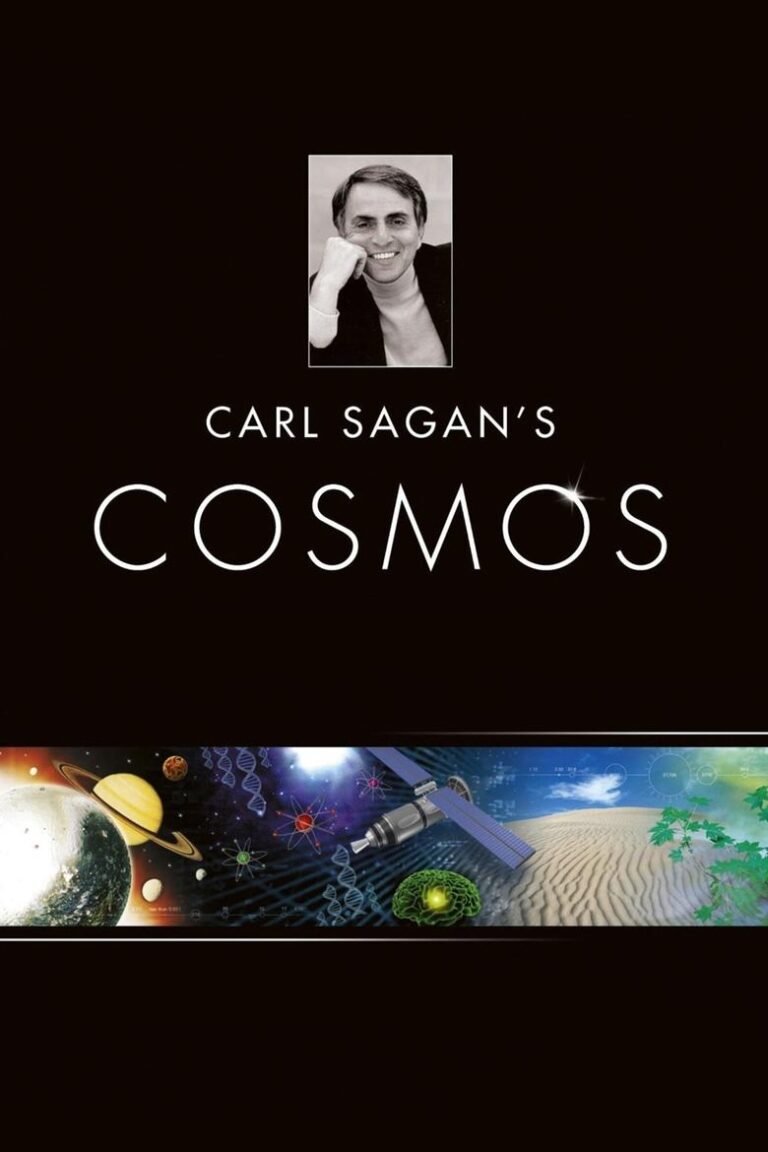
An Introduction to the 1989 Scientific Updates
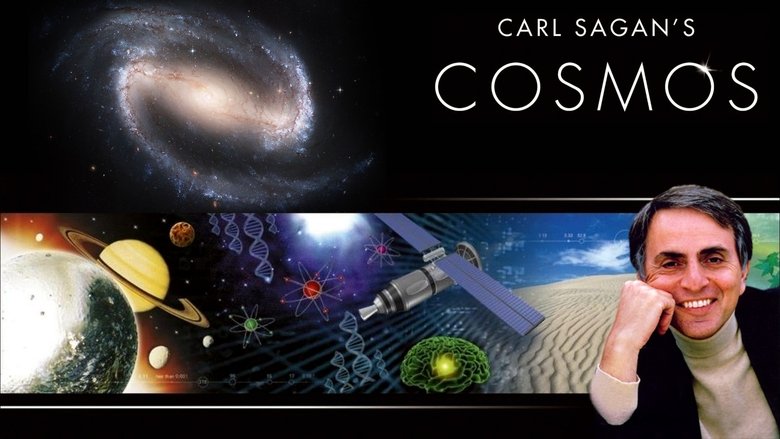
Cosmos: A Personal Voyage – Season 0 consists of the supplementary updates and revised segments released in 1989. These segments allowed Carl Sagan to return to his 1980 documentary series to incorporate new data and discoveries that occurred during the decade. The update was necessary because planetary science and astrophysics moved forward significantly after the original broadcast.
The footage featured Carl Sagan standing in modern laboratories or exterior locations to explain changes in the scientific consensus. He addressed specific missions like Voyager 2 and its encounter with the planet Neptune. This season acts as a bridge between the initial release and the later versions seen on modern platforms. It provided a factual check on the theories presented in the early 1980s.
Why You Should Watch Cosmos: A Personal Voyage – Season 0
This collection of updates is important for viewers who want to see how scientific knowledge evolved in real-time. It highlights the transition from 1970s planetary theories to the concrete data collected by late-1980s space probes. Carl Sagan offered a unique perspective by admitting where earlier episodes were incomplete or required adjustment based on new evidence.
Detailed Science Communication
The 1989 segments provided a rare look at how a major educational production reacts to new discoveries. Carl Sagan used these clips to discuss the Greenhouse Effect and Nuclear Winter with more current data than was available in 1980. This makes the season a historical document of environmental science during the late Cold War era.
- Updated Visuals: The segments featured new computer-generated imagery of the outer planets.
- Voyager Missions: Specific focus was placed on the 1989 Neptune flyby which happened just before the update.
- Environmental Focus: New warnings about atmospheric changes were added to reflect 1980s climate research.
- Historical Context: The updates show Carl Sagan in his later years, continuing his role as a public educator.
Production and Visual Style
The production quality of these segments matched the high standards of the original Cosmos: A Personal Voyage. Director Adrian Malone and the production team maintained the visual language established in the earlier episodes. The electronic score by Vangelis remained a core component of the atmosphere.
The updates were often placed at the end of the original episodes during re-broadcasts on the PBS network. This allowed the show to remain relevant for a new generation of students and television viewers in the late 1980s and early 1990s. The 1989 version of Cosmos: A Personal Voyage remains a specific historical milestone in television history.
The Role of Carl Sagan
Carl Sagan served as more than just a host in these updates; he was the primary writer and scientific consultant. His ability to explain complex physics in plain English helped maintain the show’s popularity. In these Season 0 segments, his tone was slightly more urgent regarding the state of the Earth.
He discussed the Ozone Layer and the human impact on the biosphere with factual clarity. The segments did not rely on dramatic music or fast editing to convey their message. Instead, the focus remained on the speaker and the data he presented to the audience.
Scientific Accuracy and Longevity
While some of the 1989 data has since been surpassed by modern missions like Cassini or the James Webb Space Telescope, these updates are still largely accurate. They represent a period when humankind was first getting clear images of the entire solar system. The factual foundation laid by Carl Sagan in these updates supported the series for decades.
Viewers can see the direct results of the Viking missions to Mars being re-evaluated. The segments also touched on the search for extraterrestrial intelligence, or SETI, which gained more institutional support during this decade. The 1989 updates ensured the series was not viewed as a dated relic of the 1970s.
Legacy of the Documentary Format
The way Cosmos: A Personal Voyage – Season 0 was handled set a standard for TV Shows in the documentary genre. It proved that educational content could be modular and updated as reality changed. This approach influenced later science communicators and future iterations of the franchise.
The 1989 update is a testament to the scientific method itself, which requires the revision of ideas when new evidence appears. Carl Sagan demonstrated this by correcting his own previous statements on screen. This transparency is a key reason why the show is still referenced by scientists today.
Is Cosmos: A Personal Voyage – Season 0 Safe to Watch? (Age Rating Guide)
Official age rating not available.
For verified credits, release details, or official resources, visit IMDb.
| Director | Not available |
|---|---|
| Main Cast | Carl Sagan |
| Release Year | 1989 |
| Genre | Documentary |
Frequently Asked Questions
When was Cosmos: A Personal Voyage – Season 0 released?
Cosmos: A Personal Voyage – Season 0 was released on April 18, 1989.
What is Cosmos: A Personal Voyage – Season 0 about?
Cosmos: A Personal Voyage – Season 0 consists of the supplementary updates and revised segments released in 1989. These segments allowed Carl Sagan to return to his 1980 documentary series to incorporate new data and discoveries that occurred during the decade.
Where can I watch Cosmos: A Personal Voyage – Season 0?
Official streaming platforms for Cosmos: A Personal Voyage – Season 0 have not been confirmed.