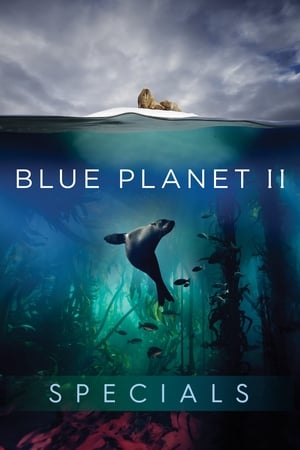
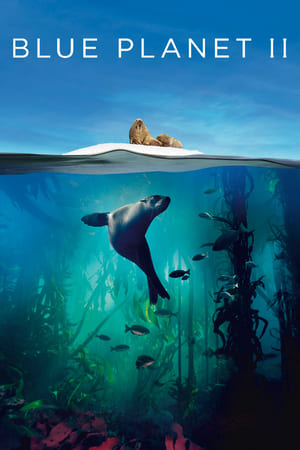


Blue Planet II is a comprehensive 2017 nature documentary series produced by the BBC Natural History Unit. Serving as a sequel to the 2001 production The Blue Planet, this series utilized 125 distinct expeditions across 39 countries over a four-year production cycle. Narrated by Sir David Attenborough and featuring an original score by Hans Zimmer, the series provides a high-resolution examination of the biological systems governing the global oceans. The production team logged over 6,000 hours of underwater filming, frequently utilizing specialized submersibles to reach the abyssal zone, thousands of meters below the surface. The narrative structure avoids anthropomorphic tropes, instead focusing on the physiological and behavioral adaptations required for survival in extreme marine environments. From the predatory strategies of Giant Trevally in the Indian Ocean to the complex social structures of Sperm Whales, the series presents a factual record of life within the Earth’s largest ecosystem. Technical advancements in 4K UHD cinematography allowed for the documentation of previously unrecorded behaviors, such as the Tuskfish utilizing tools to access prey. The series also provides a data-driven overview of the physical forces, such as the Gulf Stream, that dictate the migration patterns of billions of organisms.
The thematic depth of Blue Planet II extends into the chemical and physical changes currently impacting marine biology. The series documents the metabolic challenges faced by species in the Midnight Zone, where life survives near hydrothermal vents in complete darkness. It provides a detailed analysis of the symbiotic relationships within coral reefs, including the cooperative hunting behaviors observed between Groupers and Octopuses. As the episodes progress, the focus shifts toward the anthropogenic pressures facing the ocean, specifically ocean acidification and the proliferation of microplastics. The final segment, Our Blue Planet, functions as an environmental status report, presenting evidence of declining sea ice in the Arctic and its direct effect on Walrus mortality rates. By combining longitudinal biological studies with cutting-edge visual data, the series serves as both a scientific document and a historical record of the oceans during a period of rapid climatic transition. The editorial approach is clinical and observational, prioritizing the presentation of environmental facts and biological discoveries over emotional narrative arcs, thus providing a sober assessment of the state of global marine conservation.
Why You Should Watch Blue Planet II
The primary justification for viewing Blue Planet II is its status as a landmark in nature documentary filmmaking and its significant contribution to marine science. The series utilized rebreather technology, which allowed divers to remain underwater for extended periods without producing bubbles, enabling them to record the natural behaviors of shy species like the Common Cuttlefish. This technical innovation provided the first clear evidence of complex inter-species communication and problem-solving, such as Orcas using specialized tail-slaps to stun Atlantic herring. The high-resolution data captured during these expeditions has been utilized by researchers to better understand the cognitive abilities of marine organisms and the efficiency of their hunting strategies.
Furthermore, the series provides a necessary and objective look at ocean health. Unlike many nature programs that avoid the reality of environmental degradation, Blue Planet II explicitly addresses the accumulation of plastic waste in the North Pacific Gyre and the thermal bleaching of the Great Barrier Reef. It presents these issues through a lens of ecological causality, showing how chemical shifts at the base of the food chain eventually impact apex predators and human resource security. The documentation of the Arctic and Antarctic regions provides visual evidence of thermal expansion and its consequences for migratory birds and marine mammals, making it an essential resource for understanding the current scientific consensus on climate change.
Finally, the collaboration between the BBC and Bleeding Fingers Music resulted in an auditory experience that complements the scientific data. The score, co-composed by Hans Zimmer, Jacob Shea, and David Fleming, utilizes orchestral elements that mimic the rhythmic cycles of the ocean. This is paired with advanced hydrophone recordings that capture the literal sounds of the sea, from the clicking of Sperm Whales to the crackling of Shrimp on the reef. This multi-sensory approach enhances the educational value of the series, providing a more immersive and detailed understanding of the underwater environment than was previously possible in the 2001 original.
Official Rating
Blue Planet II is rated TV-G. This rating is applied because the content is intended for a general audience and contains no material that would be considered inappropriate for any age group.
Is Blue Planet II Safe to Watch? (Age Rating Guide)
Rated TV-G.
Browse more curated picks in TV Shows and Movies.
For verified credits, release details, or official resources, visit IMDb and Official Site.
| Director | Not available |
|---|---|
| Main Cast | David Attenborough |
| Release Year | 2017 |
| Genre | Documentary, Family |
Frequently Asked Questions
When was Blue Planet II released?
Blue Planet II was released on October 29, 2017.
What is Blue Planet II about?
There is nowhere more powerful and unforgiving yet more beautiful and compelling than the ocean. Join us and explore the greatest yet least known parts of our planet.
Where can I watch Blue Planet II?
Blue Planet II is available on Apple TV, Discovery +, and Fandango At Home.