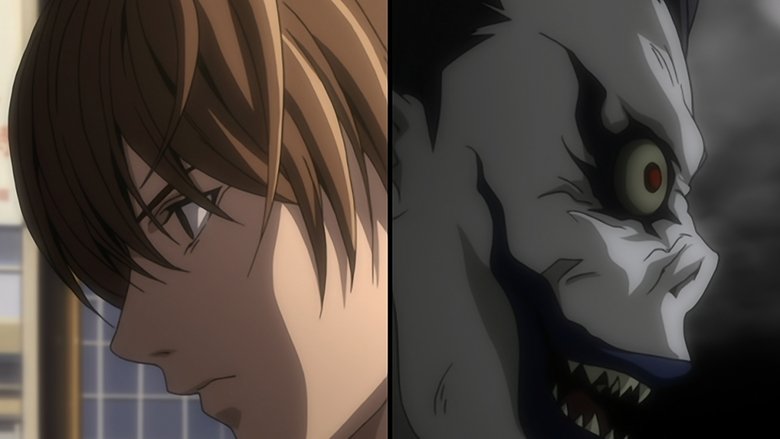
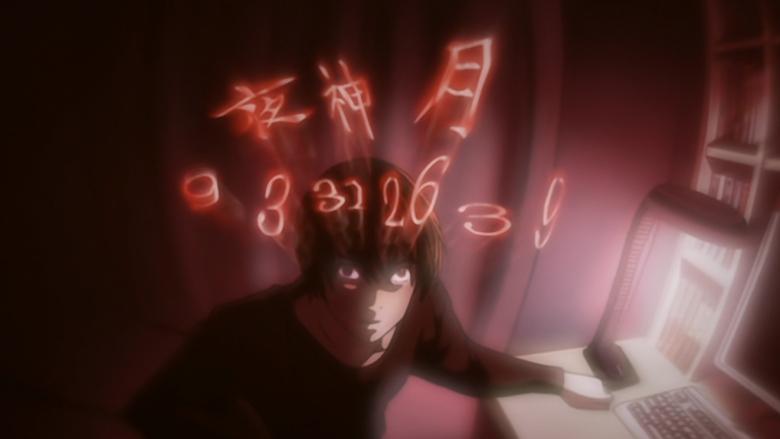
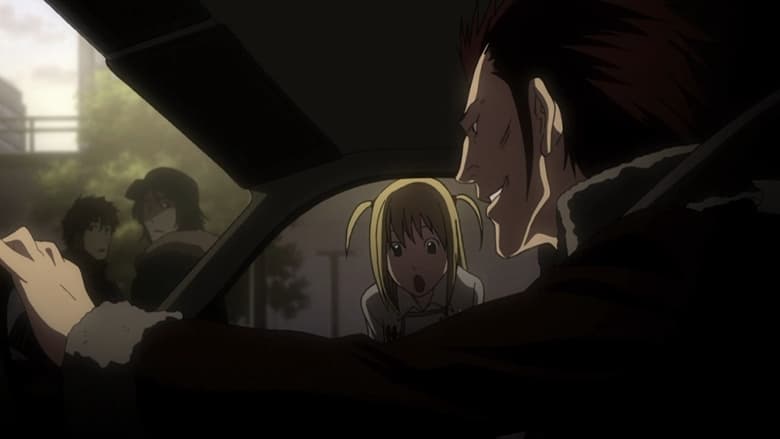
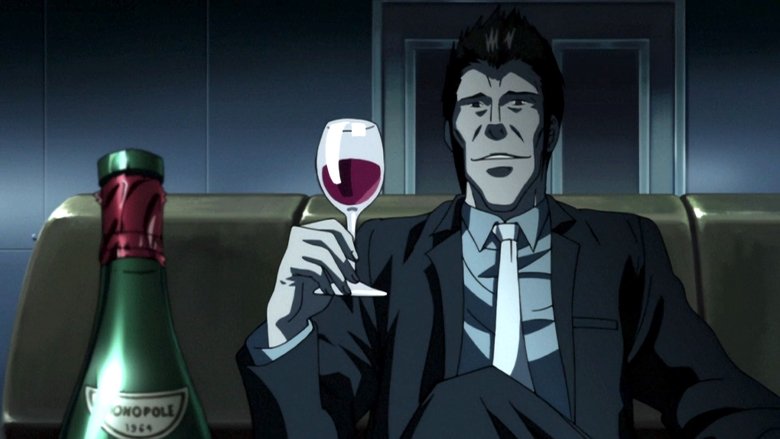
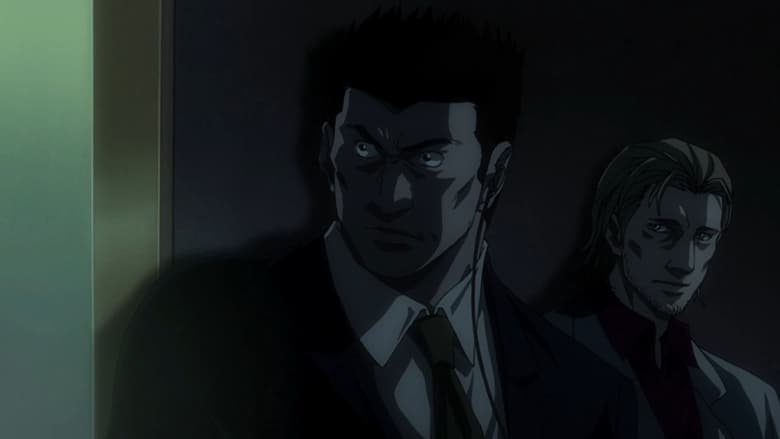
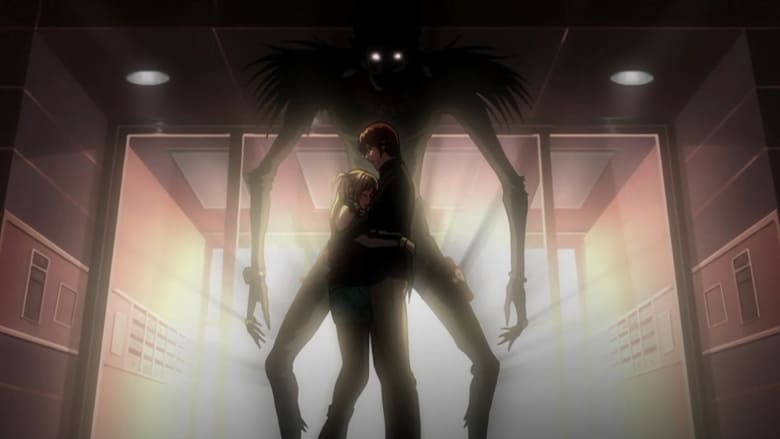
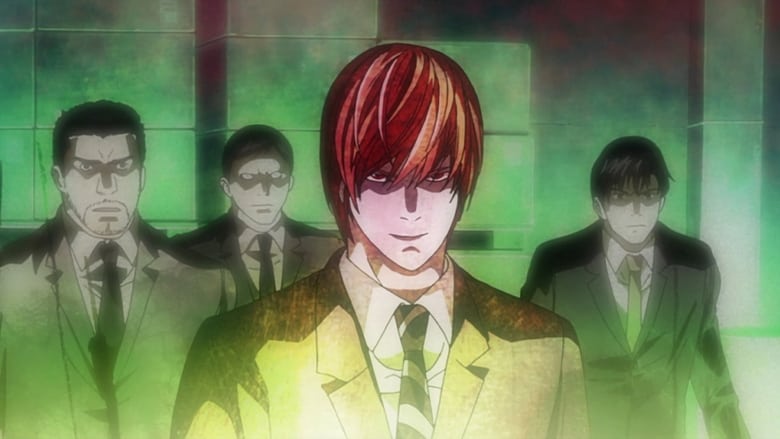
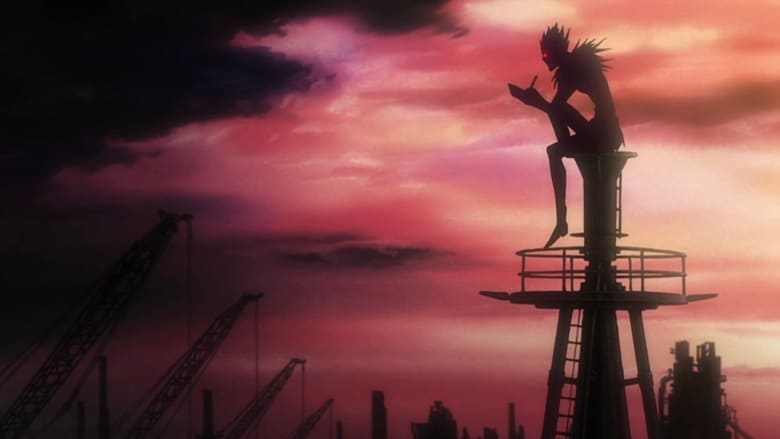
Death Note – Season 1 was an anime series that premiered on October 4, 2006. The story followed a high school student named Light Yagami who lived in Japan. Light was a top student who felt bored with his daily life until he discovered a black notebook on the ground at his school. This notebook belonged to a Shinigami, or death god, named Ryuk. The book contained specific instructions stating that any human whose name was written in it would die. Light decided to test the notebook on criminals to see if the power was real.
After confirming the power of the book, Light started a campaign to eliminate all major criminals from the world. He wanted to create a society where only good people lived and where he would rule as a god. The public began to call this anonymous killer Kira. The sudden deaths of prisoners attracted the attention of Interpol and a mysterious detective known only as L. This initiated a competition of intelligence between Light and L as they both tried to uncover the other person’s identity first. The series was produced by Madhouse and aired on Nippon TV before moving to international platforms like Death Note on Netflix and Hulu.
Is Death Note – Season 1 Safe to Watch? (Age Rating Guide)
Official age rating not available.
Why You Should Watch Death Note – Season 1
This series was popular because it focused on psychological tension rather than physical fights. It showed how a normal student could change when given absolute power over life and death. The show used a cat-and-mouse format that kept the audience guessing about which character would make the next move. It also featured a distinct visual style and a soundtrack that used dramatic choral music to match the serious tone of the plot.
The Intellectual Battle
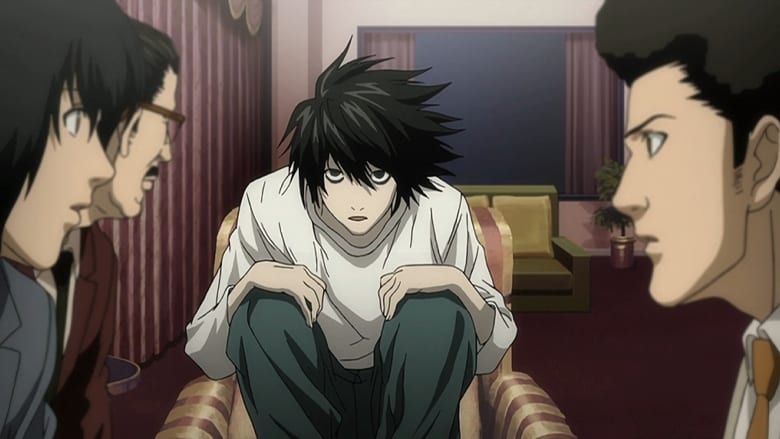
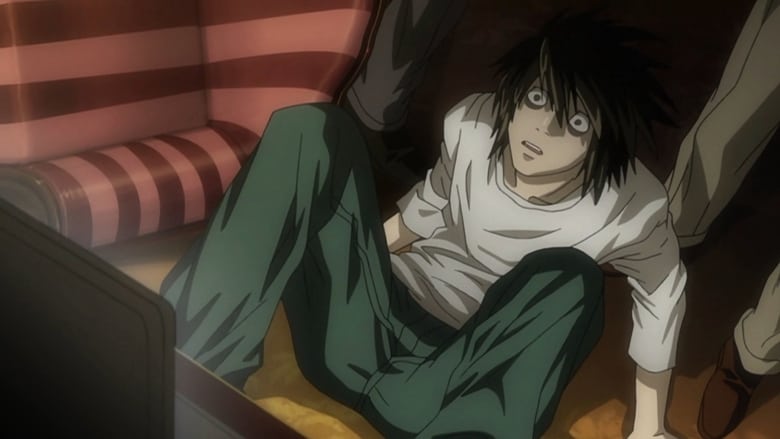
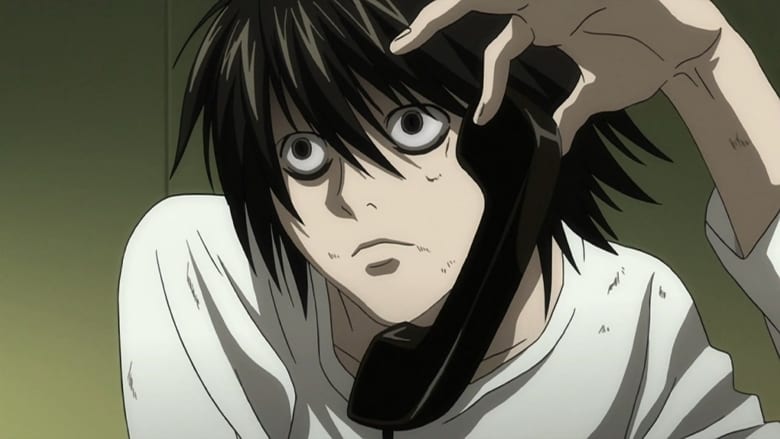
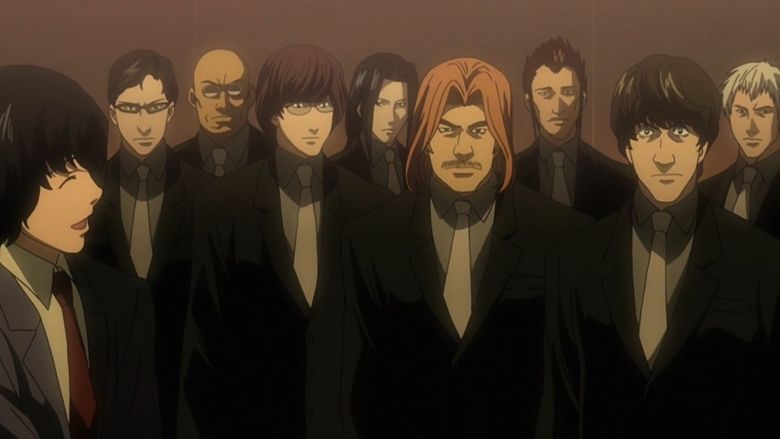
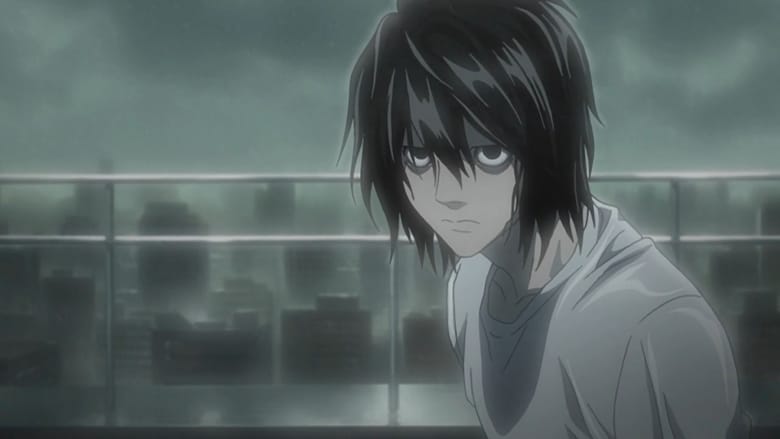
The core of the show was the fight between Light Yagami and L. L was an unconventional detective who never showed his face to the public. He used a computer-generated voice and a simple letter L on a screen to communicate. L suspected that Kira was a student with access to police information because of the timing of the heart attacks. This led him to investigate the families of the Japanese police force, including Light‘s father, Soichiro Yagami.
Light had to use his intelligence to stay one step ahead of the investigation. He manipulated the media and used the rules of the notebook to create alibis. One famous scene showed Light hiding a small television inside a potato chip bag to watch the news while being monitored by surveillance cameras. He wanted to kill L, but he could not do so without knowing L‘s real name and seeing his face. This forced Light to get close to his enemy by joining the investigation task force itself.
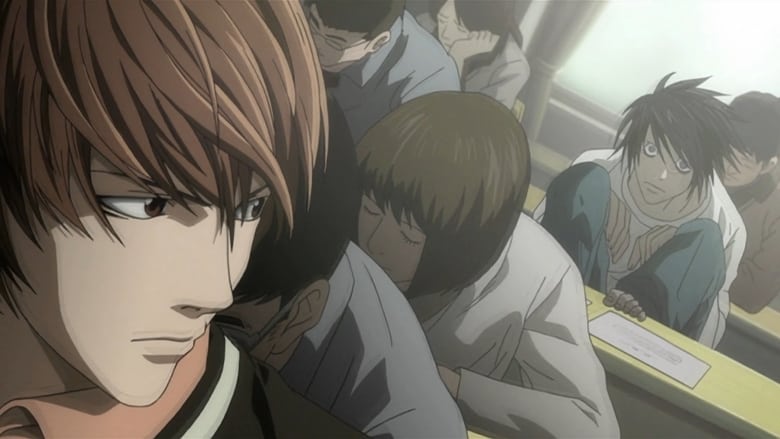
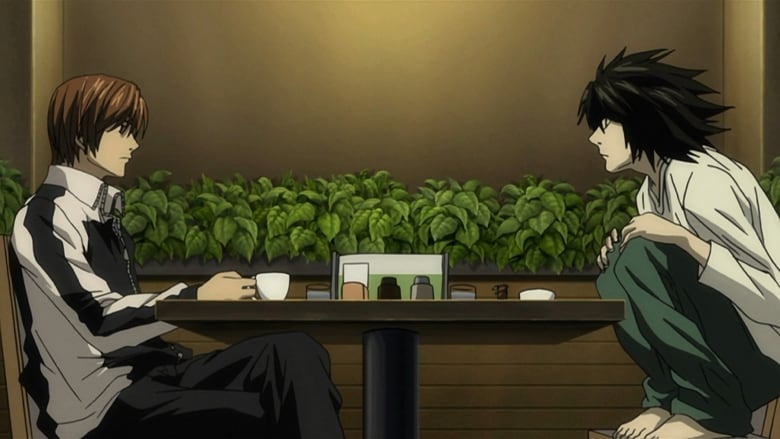
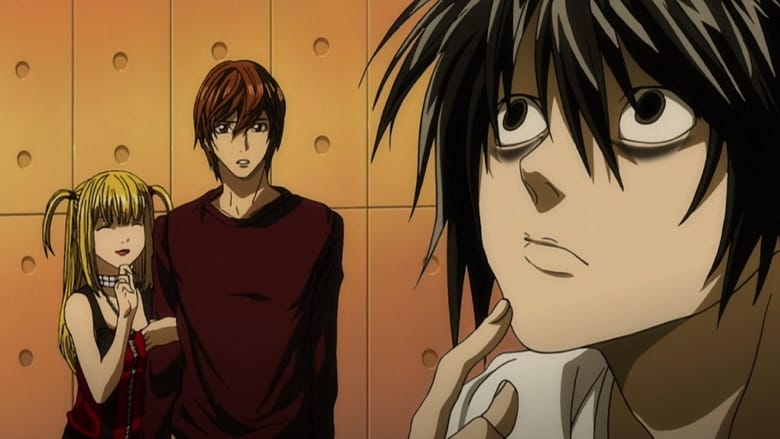
The two characters eventually attended the same university and played tennis together as a way to test each other. L told Light directly that he suspected him of being Kira. This was a tactic to see how Light would react under pressure. Light remained calm and continued to act like a normal student. This psychological game was the main reason the series gained such a large following during its original run on Nippon TV.
The Rules of the Death Note
The notebook had many specific rules that Light had to follow. A person would die if their name was written in the book while the writer had their face in mind. This was a critical rule because it prevented people with the same name from dying by accident. If the cause of death was not written, the victim simply died of a heart attack after 40 seconds. Light used this default cause of death to make his actions look like the work of a supernatural force or a god.
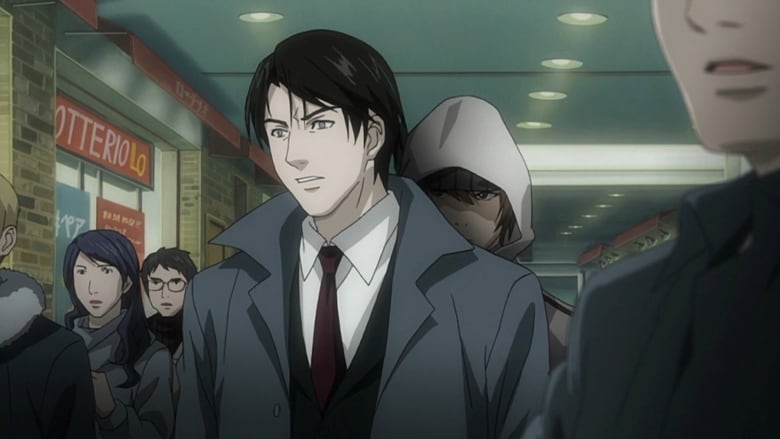
Light discovered that he could control a person’s actions for several minutes before they died. He tested this on prisoners to see if he could make them write messages or travel to specific locations. He used these rules to kill an FBI agent named Ray Penber and his fiancée, Naomi Misora. These deaths were necessary for Light to protect his secret identity. He carefully timed the deaths so that the police would not find any evidence linking him to the crime scenes.
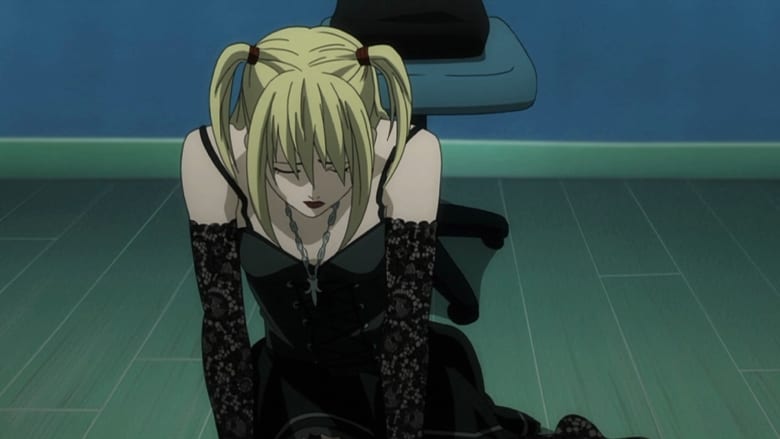
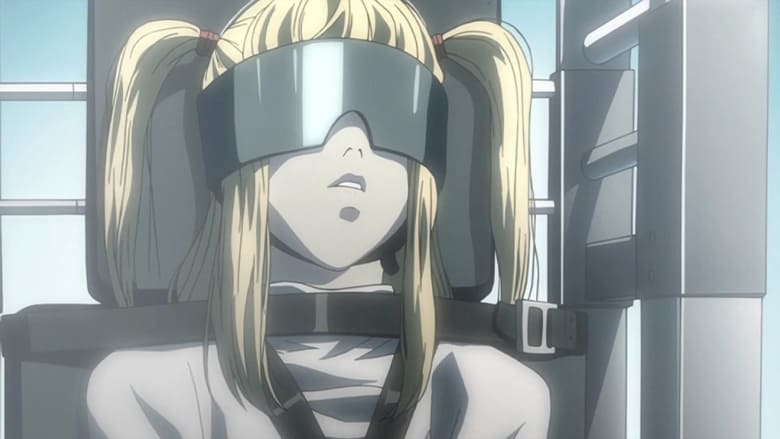
The series also introduced the concept of the Shinigami Eyes. A human could make a deal with a Shinigami to see a person’s name and remaining lifespan just by looking at them. The cost of this deal was half of the human’s remaining life. Light refused to make the deal because he wanted to rule his new world for a long time. However, other characters like Misa Amane accepted the deal. This added a new layer of danger to the story because Misa could identify L just by seeing him once.
Character Motivations
Light Yagami was motivated by a desire to fix a world he saw as rotten. He believed that the legal system was too slow and ineffective. By killing criminals, he thought he was doing something helpful for society. However, as the series progressed, his motivations shifted from justice to self-preservation. He began killing innocent people and police officers who tried to stop him. He viewed himself as a savior and became increasingly arrogant about his abilities.
L was motivated by the challenge of the case. He was a professional detective who had solved many difficult crimes in the past. He did not care about traditional justice as much as he cared about solving the puzzle of Kira. L lived a secluded life and had many strange habits, such as sitting in a crouched position and eating large amounts of sweets. He was willing to use illegal methods, such as kidnapping and illegal surveillance, to catch his suspect.
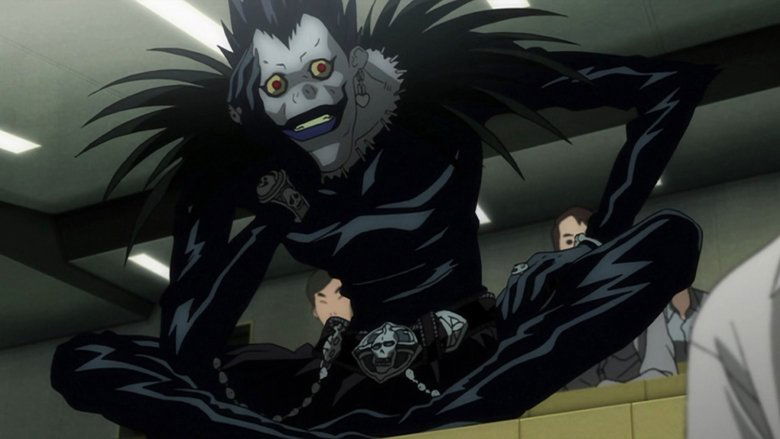
Ryuk was the Shinigami who started the events of the season. He did not have a moral stake in the conflict. He was simply bored in the Shinigami world and wanted to see how a human would use the power of the notebook. Ryuk often spoke to Light but rarely helped him directly. He enjoyed watching the chaos that Light caused. His presence served as a reminder that the notebook was a tool of death and not a gift for humanity.
Production and Visual Style
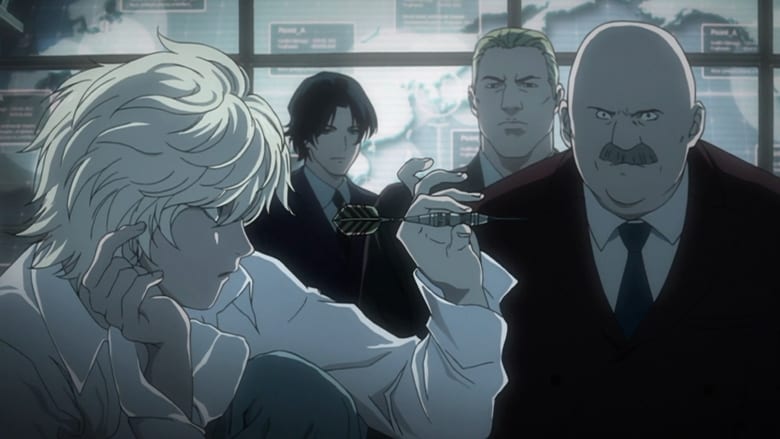
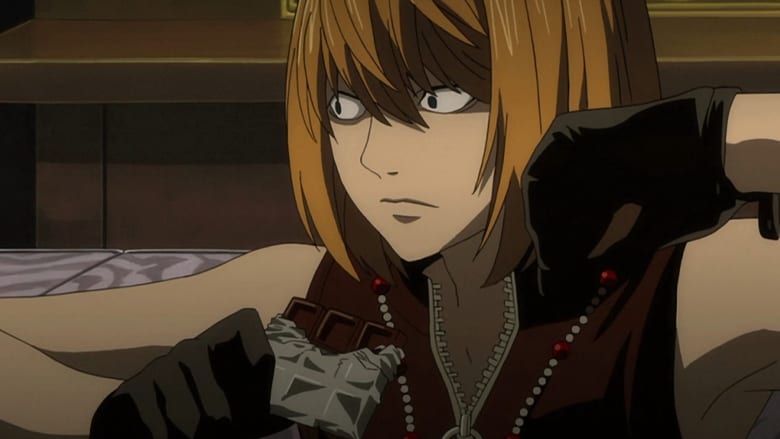
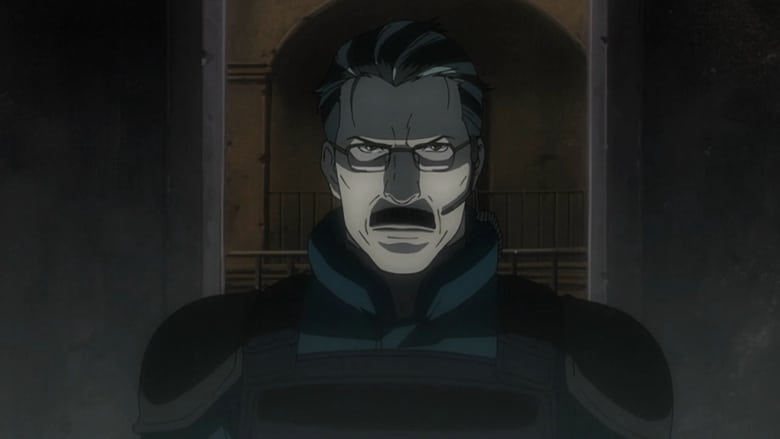
The animation studio Madhouse produced Death Note – Season 1 with a high level of detail. The series used a dark color palette with lots of blues, grays, and blacks. This helped set a serious and moody tone for the mystery. The character designs were created by Takeshi Obata, who also illustrated the original manga. The characters had sharp features and very expressive eyes, which was important for a show that relied on facial reactions to convey internal thoughts.
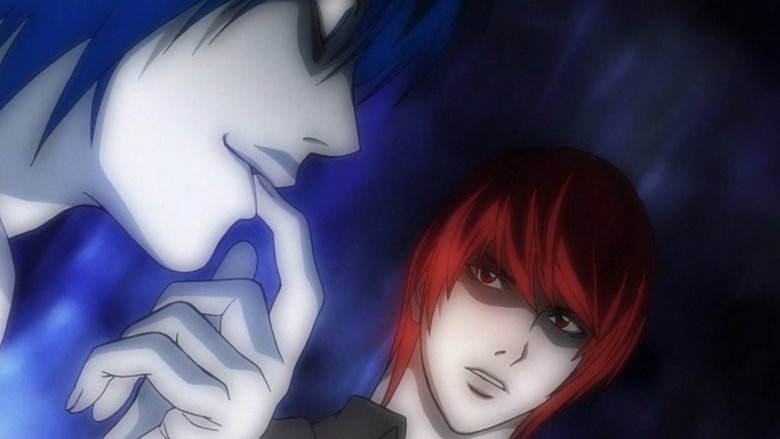
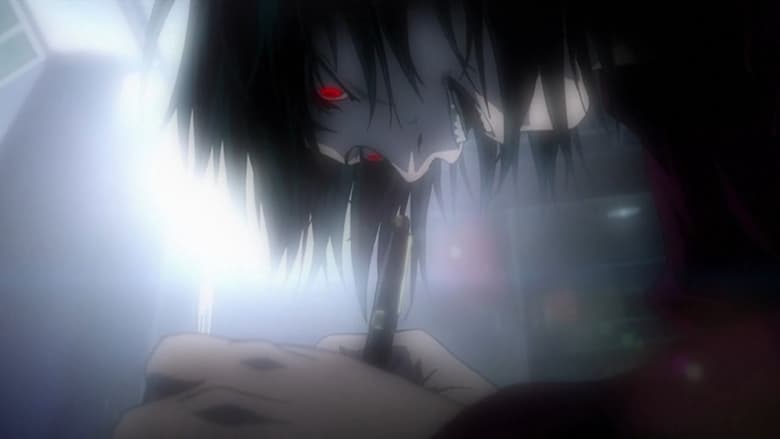
The direction by Tetsurō Araki was known for being very dramatic. He used fast camera movements and extreme close-ups during scenes that would normally be quiet. For example, when Light wrote names in the notebook, the animation made it look like a physical battle. The use of red and blue lighting during the confrontations between Light and L visually represented their opposing views and their psychological struggle. This style helped the show stand out from other anime released in 2006.
The soundtrack was another important part of the production. Composers Yoshihisa Hirano and Hideki Taniuchi created a score that mixed classical elements with modern rock. The opening and ending themes were performed by the band Nightmare and later by Maximum the Hormone. The music was used to build tension during the investigation scenes and to highlight Light‘s feelings of power. The high quality of the production contributed to the series’ status as a popular title on platforms like Amazon Prime Video and IMDb.
| Director | Not available |
|---|---|
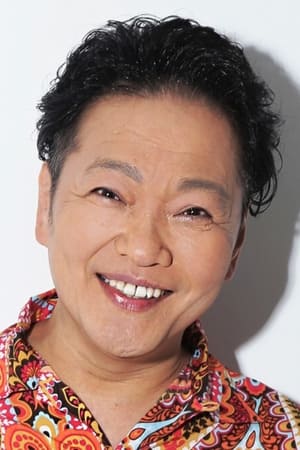
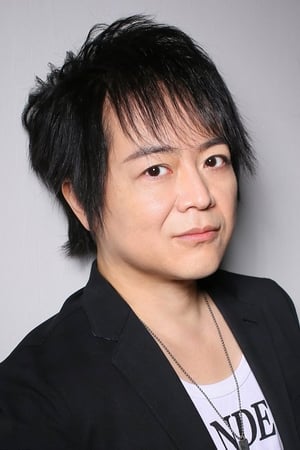
| Main Cast | Mamoru Miyano, Shido Nakamura, Aya Hirano, Kappei Yamaguchi, Kimiko Saito |
| Release Year | 2006 |
| Genre | Animation, Mystery, Sci-Fi & Fantasy |
Frequently Asked Questions
When was Death Note – Season 1 released?
Death Note – Season 1 was released on October 4, 2006.
What is Death Note – Season 1 about?
Death Note – Season 1 is available on Flixr.
Where can I watch Death Note – Season 1?
Death Note – Season 1 is available on Amazon Prime Video, Amazon Prime Video Free with Ads, and Amazon Prime Video with Ads.