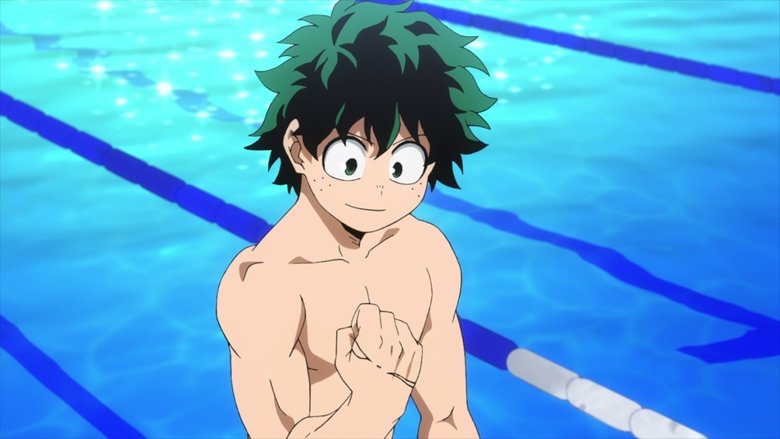
My Hero Academia – Season 3 followed the journey of Izuku Midoriya as he entered his first summer break at U.A. High School. Instead of resting, the students of Class 1-A and Class 1-B traveled to a secluded mountain training camp managed by the professional hero team known as the Wild, Wild Pussycats. The purpose of this trip was to push their Quirks beyond their current limits through physical exhaustion and repetitive use in a controlled environment.
The training camp was interrupted when the League of Villains launched a coordinated attack using their Vanguard Action Squad. This group of antagonists targeted specific students, aiming to disrupt the hero society by kidnapping Katsuki Bakugo. The resulting conflict forced the students to use their powers in real combat for survival rather than for a grade. The events of this season led to a major confrontation between the world’s top hero and his greatest rival, changing the world of My Hero Academia forever.
Why You Should Watch My Hero Academia – Season 3
This season provided a major shift in the world’s power balance. It moved away from school-based competitions and placed the characters in high-risk situations where their choices had permanent consequences for society. The animation quality remained high as the series transitioned from the training camp arc into the Kamino District incident. This season also humanized many of the secondary characters by giving them moments to lead and protect their peers during the villain invasion.
The Training Camp Conflict
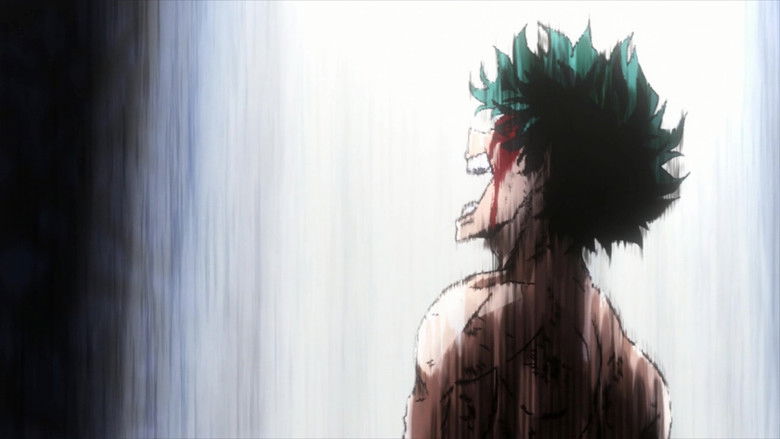
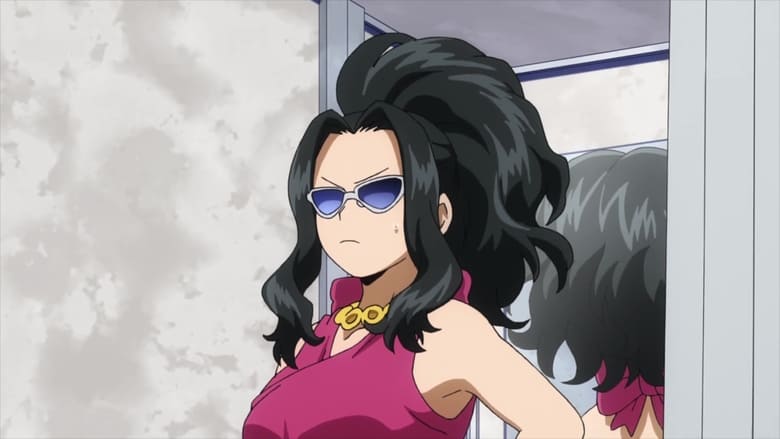
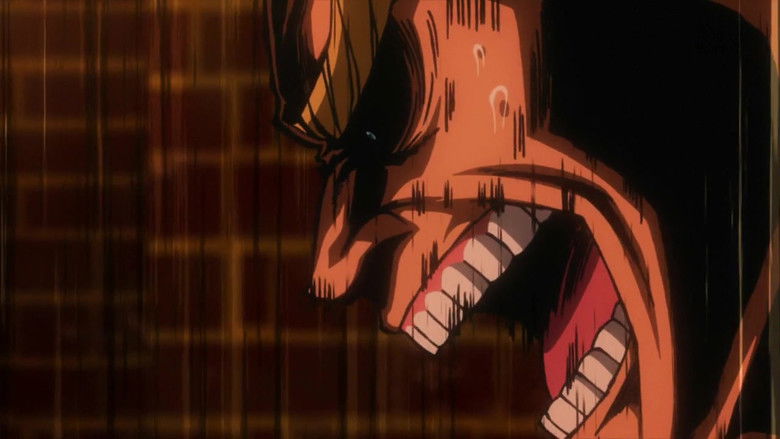
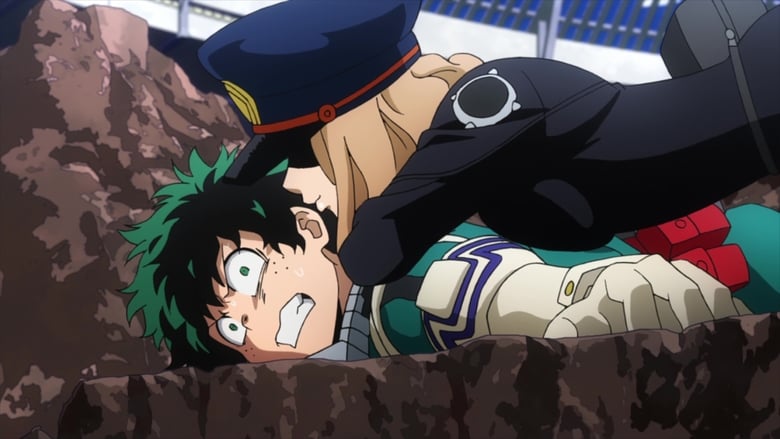
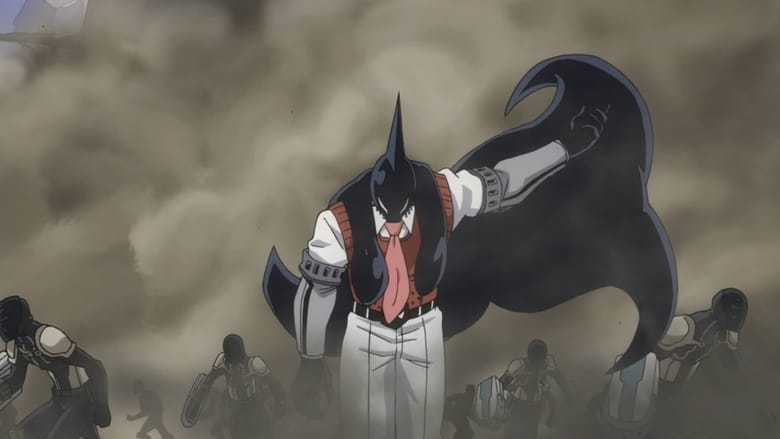
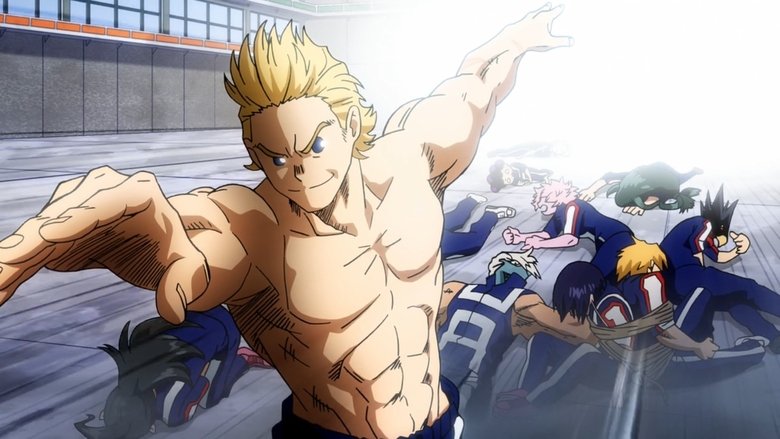
The first half of the season was dedicated to the Forest Training Camp Arc. The Wild, Wild Pussycats, including members like Mandalay and Pixie-Bob, forced the students to navigate a dense forest filled with earth-based obstacles. Izuku Midoriya faced a particularly difficult fight against a villain named Muscular. This fight showed the physical toll that the One For All quirk took on his body when he had to exceed his safe power limits to protect a young boy named Kota.
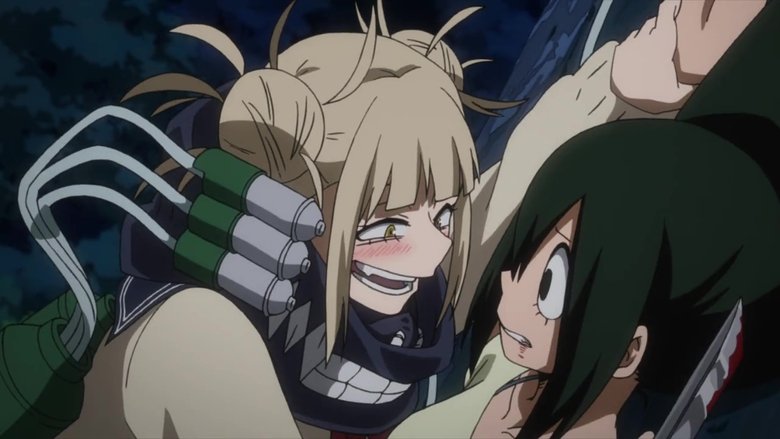
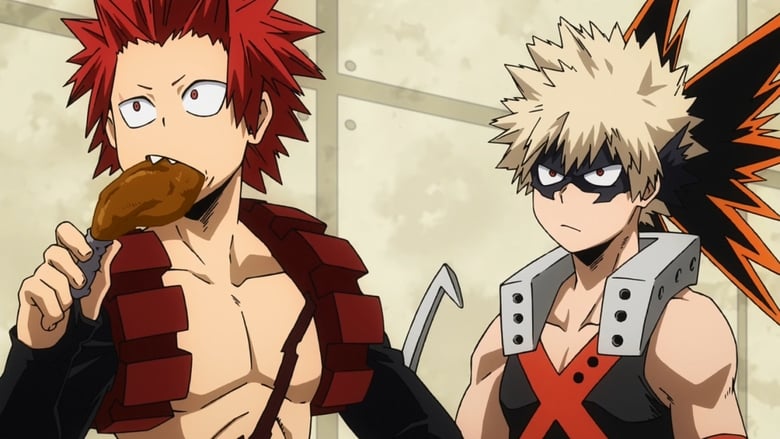
While Midoriya fought for his life, the other students had to deal with poisonous gas and fires started by the villain Dabi. The teamwork displayed by Shoto Todoroki and Katsuki Bakugo during these moments highlighted their growth since the previous season. The capture of Bakugo by the villain Mr. Compress served as the catalyst for the next major segment of the season, showing that even the strongest students were vulnerable to organized criminal tactics.
The Fall of the Symbol of Peace
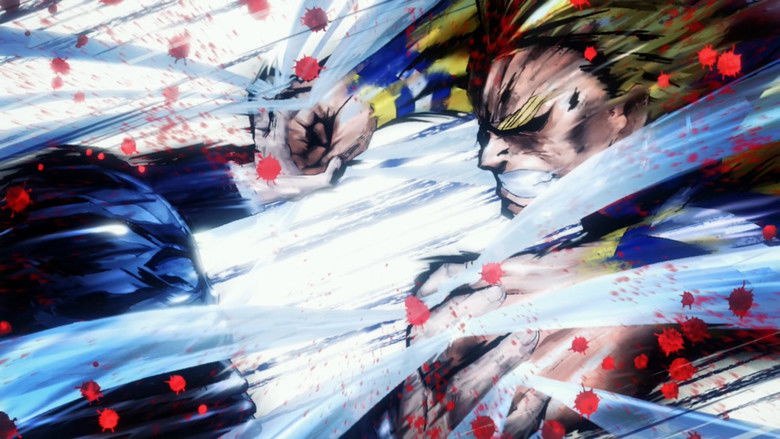
The Kamino District Arc is often considered the peak of the series for many viewers. It featured the long-awaited showdown between All Might and the mastermind All For One. This battle was not just a physical fight but an ideological clash between the Symbol of Peace and the source of the world’s villainy. The season depicted the immense power of All For One, who could combine multiple stolen quirks to overpower his opponents.
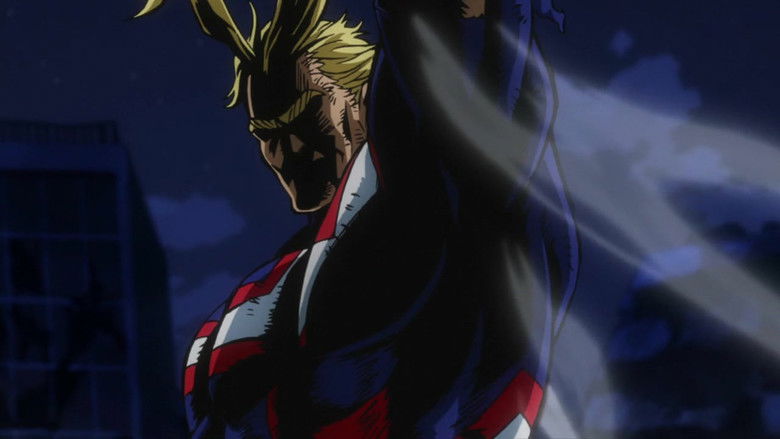
As the battle reached its conclusion, All Might was forced to reveal his weakened true form to the entire world. This moment was a turning point for the series, as it signaled the end of his career as a professional hero. The impact of his retirement left a power vacuum that the League of Villains sought to fill, while the heroes scrambled to maintain public order. The emotional weight of All Might pointing at the camera and telling the world, “Now, it is your turn,” directly addressed Midoriya and the next generation of heroes.
The Provisional Hero License Exam
The second half of the season followed the students as they moved into on-campus dorms at U.A. High School for their safety. The focus shifted to the Provisional Hero License Exam, where they competed against students from other elite schools like Shiketsu High School and Ketsubutsu Academy. This arc introduced new characters like Inasa Yoarashi, whose wind-based quirk challenged Todoroki, and Camie Utsushimi, whose presence added a layer of mystery to the proceedings.
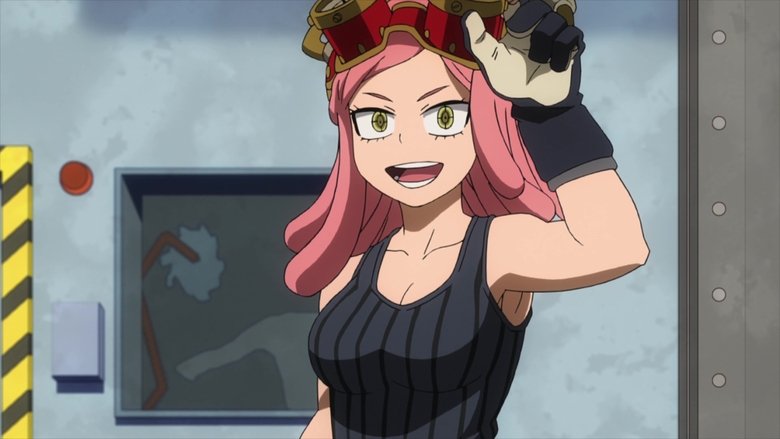
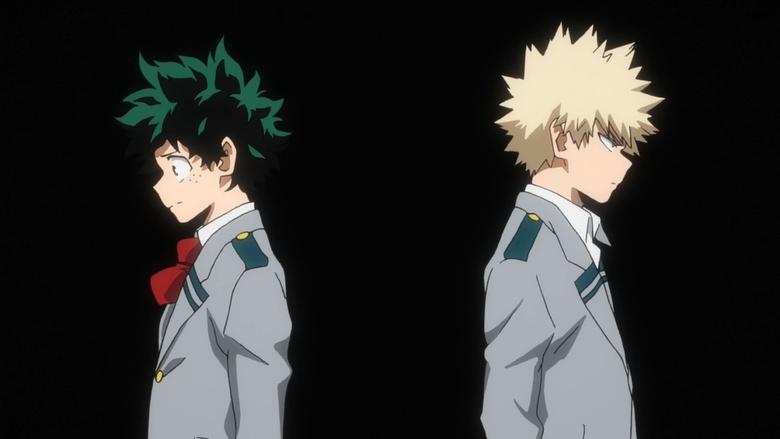
The exam tested the students on more than just combat. They had to perform disaster relief and rescue operations under pressure while being attacked by professional heroes acting as villains. Izuku Midoriya had to adapt his fighting style to Shoot Style, which focused on using his legs to reduce the damage to his arms. This evolution was necessary for his survival and his progress toward becoming a licensed hero. The season ended with a private confrontation between Deku and Bakugo at Ground Beta, where Bakugo finally confronted his feelings of guilt regarding All Might‘s retirement.
Is My Hero Academia – Season 3 Safe to Watch? (Age Rating Guide)
Official age rating not available.
For verified credits, release details, or official resources, visit IMDb and Official Site.
| Director | Not available |
|---|---|
| Main Cast | Daiki Yamashita, Nobuhiko Okamoto, Kenta Miyake, Ayane Sakura, Kaito Ishikawa |
| Release Year | 2018 |
| Genre | Action & Adventure, Animation, Sci-Fi & Fantasy |
Frequently Asked Questions
When was My Hero Academia – Season 3 released?
My Hero Academia – Season 3 was released on April 7, 2018.
What is My Hero Academia – Season 3 about?
Summer is here and the heroes of Rooms A and B are in for the toughest training camp of their lives! A group of seasoned professionals will push the students individualities to the next level with one new challenge after another.
Where can I watch My Hero Academia – Season 3?
My Hero Academia – Season 3 is available on Amazon Video, Apple TV, and Crunchyroll Amazon Channel.