Kujima: Why Sing, When You Can Warble? (2026)
Arata Kouda, a first-year middle school student, encounters a biological anomaly during the transition from summer to autumn. This entity, identifying as Kujima, presents as a talkative and slightly uncoordinated creature that occupies a space between avian and humanoid classifications. Arata Kouda extends an invitation for the creature to reside within the Kouda household, establishing a fixed duration for the arrangement.
The narrative focuses on the internal dynamics of the Kouda family as they integrate Kujima into their domestic routine. This temporary coexistence is slated to end with the arrival of spring, creating a predetermined timeline for their interactions. The story documents the subtle shifts in the household’s emotional climate during the winter months, driven by Kujima‘s presence and peculiar behaviors.
Is Kujima: Why Sing, When You Can Warble? Safe to Watch? (Age Rating Guide)
Official age rating not available.
Why You Should Watch Kujima: Why Sing, When You Can Warble?
The series offers a focused examination of domestic life through the lens of a grounded fantasy premise. It avoids the high-stakes conflict common in the genre, opting instead for situational humor and observational comedy. The production by Doga Kobo utilizes a specific aesthetic that highlights the textures of the creature and the environmental changes of suburban Japan.
The Role of Domestic Realism
The Kouda household serves as the primary setting for the series, emphasizing the mundane aspects of daily survival. By placing a surreal entity like Kujima in a hyper-normal environment, the narrative explores the adaptability of human social structures. Every meal shared and every conversation in the living room serves to ground the fantasy elements in reality.
This approach highlights the “iyashikei” or healing nature of the series. The focus remains on the calming atmosphere created by routine activities and the soft aesthetic choices of the animation team. Viewers interested in slow-paced, character-driven storytelling will find the lack of traditional external conflict to be the primary draw of the show.
Character Motivations and Evolution
Arata Kouda serves as the central point of contact for the visitor, acting with a sense of quiet responsibility. His motivation stems from a simple act of kindness that evolves into a deeper commitment to the creature’s well-being. This responsibility forces Arata to mature rapidly as he manages the secret of Kujima‘s existence and the practicalities of its care.
The supporting cast provides necessary friction to prevent the narrative from becoming static. Key characters include:
- Misaki Kouda: Arata’s older brother who initially approaches the situation with skepticism. His analytical nature contrasts with Arata’s intuitive acceptance, leading to a realistic portrayal of sibling dynamics.
- The Parents: Their eventual acceptance of Kujima represents the stability of the family unit. They treat the creature as a temporary guest, maintaining the boundaries of a traditional Japanese household.
- Kujima: The creature itself, whose motivations are largely driven by hunger and a desire for social interaction. Its “warbling” speech pattern is a significant auditory element of the series.
Production and Technical Execution
Studio Doga Kobo is known for its ability to handle character-focused animation with high levels of expressiveness. In Kujima: Why Sing, When You Can Warble?, they employ a visual style that mimics the hand-drawn, sketchy quality of the original manga by Katsura Konishi. This choice ensures that the creature feels tactile and physically present within the animated space.
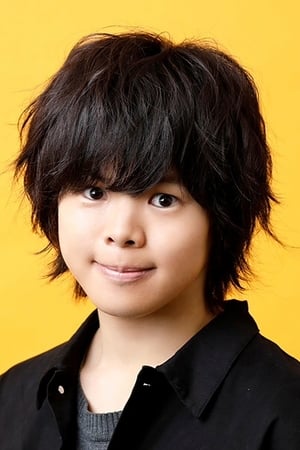
The sound design is equally deliberate, particularly in the vocal performance of Ayumu Murase. The decision to emphasize “warbling” over traditional singing or speaking creates a unique identity for the character. This auditory layer is crucial for establishing the creature’s alien yet harmless nature, distinguishing it from conventional anime mascot characters.
Themes of Impermanence
The seasonal structure of the story, moving from autumn to spring, is a deliberate narrative device. It establishes a clear expiration date for the relationship between the Kouda family and Kujima. This awareness of the coming spring adds a layer of quiet melancholy to the otherwise comedic interactions.
The transition of the seasons is reflected in the background art, with the palette shifting from warm autumn tones to the cold greys of winter. These visual cues reinforce the theme of fleeting bonds and the importance of hospitality. The series suggests that even temporary connections can have a lasting impact on the emotional development of the individuals involved.
Central Conflict and Stakes
While the series lacks physical combat, the central conflict is internal and relational. The primary tension lies in the household’s adjustment to a foreign entity that does not share human logic or customs. Kujima’s clumsiness often leads to minor domestic disasters that require collective problem-solving from the Kouda family.
These small-scale challenges serve to test the patience and empathy of the characters. The stakes are emotional rather than physical, focusing on whether Arata and Misaki can bridge the gap between their world and Kujima‘s. This narrative focus rewards viewers who appreciate subtle character growth and the nuances of non-verbal communication.
For verified credits, release details, or official resources, visit IMDb and Official Site.
| Director | Not available |
|---|---|
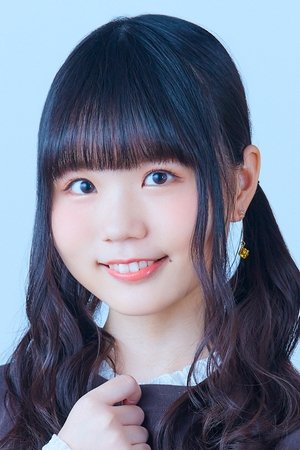
| Main Cast | Yuria Kozuki, Ayumu Murase, Yohei Azakami, Ryoko Shiraishi, Hirofumi Nojima |
| Release Year | 2026 |
| Genre | Animation, Comedy, Sci-Fi & Fantasy |
Browse more curated picks in TV Shows and Movies.
Frequently Asked Questions
When was Kujima: Why Sing, When You Can Warble? released?
Kujima: Why Sing, When You Can Warble? was released on April 9, 2026.
What is Kujima: Why Sing, When You Can Warble? about?
Kujima: Why Sing, When You Can Warble? (2026)Arata Kouda, a first-year middle school student, encounters a biological anomaly during the transition from summer to autumn.
Where can I watch Kujima: Why Sing, When You Can Warble??
Official streaming platforms for Kujima: Why Sing, When You Can Warble? have not been confirmed.