Blue Planet II – Season 0 functioned as a detailed introduction to the groundbreaking nature series produced by the BBC Natural History Unit. Released on September 27, 2017, this collection of materials provided viewers with an early look at the advanced filming techniques and scientific research that defined the project. The most significant component of this season was a five-minute prequel film that featured high-resolution footage from the upcoming episodes. Narrated by Sir David Attenborough, the special features established the central themes of marine exploration and environmental change that would be explored in full during the primary series.
The prequel was designed to demonstrate the leap in television technology that had occurred since the original series aired in 2001. By using 4K UHD cameras and specialized submersibles, the production team captured events in the ocean that were previously impossible to record. This season acted as a technical showcase, highlighting the collaborative efforts between filmmakers, scientists, and musicians to create a modern portrait of the world’s oceans. The inclusion of promotional clips and behind-the-scenes segments gave the audience a factual look at the logistics involved in a four-year global production. As part of the broader Blue Planet II franchise, these specials served as a vital bridge for both returning fans and new viewers.
Why You Should Watch Blue Planet II – Season 0
This collection of specials offers a rare look at the sheer scale of modern nature documentary production. It serves as a historical record of the technological shift toward ultra-high-definition broadcasting in the late 2010s. For those interested in marine biology or documentary filmmaking, Blue Planet II – Season 0 provides the necessary context to understand how the BBC managed to film the most remote parts of the planet. Information on the production can also be found on IMDb.
Technical Evolution of the Natural History Unit
The production team used new 4K ultra-high-definition cameras to record marine life in extreme detail. These cameras were often mounted in specialized housings to withstand the high pressure of the deep sea. The use of these tools allowed for a level of clarity that was not available during the filming of the original series nearly two decades earlier.
One major development was the use of megadomes, which are large glass ports for underwater camera housings. These domes helped eliminate the distortion and blurriness that often occur at the edges of wide-angle underwater shots. This allowed the crew to capture expansive scenes of coral reefs and open-ocean hunting with a sharp focus across the entire frame.
The crew also utilized the Alucia research vessel, which carried two deep-diving submersibles. These vessels allowed camera operators to spend hundreds of hours at depths of up to 1,000 meters. By staying underwater for extended periods, the team could observe animal behaviors in the Twilight Zone without the need for constant resurfacing, leading to more natural observations.
The Role of Music in Marine Media
The soundtrack for the prequel in Season 0 was a collaboration between composer Hans Zimmer and the band Radiohead. They created a track called ocean (bloom), which was a reimagined version of a Radiohead song. This musical partnership was intended to draw in a diverse audience and set a serious, modern tone for the series.
The BBC Concert Orchestra performed the score, providing a consistent auditory theme that matched the scale of the ocean visuals. The music was recorded to emphasize the rhythmic patterns of the sea and the movements of the animals. This careful attention to sound design extended to the use of hydrophones to record actual underwater noises.
The collaboration showed the BBC‘s commitment to high production values outside of the visuals. By bringing in world-renowned musicians, the producers ensured that the documentary felt like a major cultural event. The soundscape helped to ground the footage, making the remote environments feel more immediate to the viewer.
Documenting New Animal Behaviors
Season 0 highlights the discovery of previously undocumented animal behaviors. One of the most famous examples included in the prequel was the tuskfish. This fish was filmed using a specific rock as an anvil to crack open clam shells, which provided clear evidence of tool use in marine species.
Another segment featured the giant trevally, a large fish found in the Indian Ocean. The crew filmed these fish jumping out of the water to catch low-flying terns in mid-air. This behavior had been reported by local fishermen but had never been captured on professional cameras until this production.
The team also used new suction-cup cameras that could be safely attached to the backs of large marine mammals. These cameras provided a whale’s-eye view of the ocean, showing how orcas and whale sharks interact with their environment. These perspectives helped change the way scientists and the public understand the daily lives of these creatures.
Environmental Observation and Conservation
The specials in Blue Planet II – Season 0 do not ignore the reality of human impact on the oceans. David Attenborough uses his narration to point out the visible changes in the marine world, including plastic pollution. The footage shows how debris can travel to the furthest reaches of the planet, affecting even the most isolated species.
The production team also documented the effects of rising ocean temperatures. They recorded instances of coral bleaching on the Great Barrier Reef, where the heat caused the coral to expel the algae that keep them alive. These segments were important for establishing the show’s objective approach to environmental science.
By showing these changes, the season provided a factual record of the ocean’s health in 2017. The goal was to inform the public about the status of marine ecosystems while showcasing their natural beauty. This balanced approach ensured that the series was both educational and scientifically relevant for its time.
Is Blue Planet II – Season 0 Safe to Watch? (Age Rating Guide)
Official age rating not available.
| Director | Not available |
|---|---|
| Main Cast | David Attenborough |
| Release Year | 2017 |
| Genre | Documentary, Family |
Frequently Asked Questions
When was Blue Planet II – Season 0 released?
Blue Planet II – Season 0 was released on September 27, 2017.
What is Blue Planet II – Season 0 about?
Blue Planet II – Season 0 functioned as a detailed introduction to the groundbreaking nature series produced by the BBC Natural History Unit.
Where can I watch Blue Planet II – Season 0?
Official streaming platforms for Blue Planet II – Season 0 have not been confirmed.
Episode guide
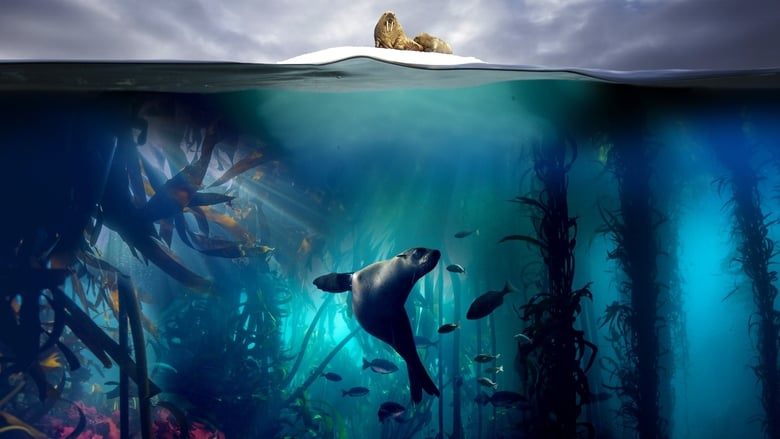
The Prequel
An introduction to the show, narrated by series presenter Sir David Attenborough, and set to an exclusive track developed by Hans Zimmer and Radiohead featuring an array of some of the most awe-inspiring shots and highlights from the series, as well as several exclusive scenes.
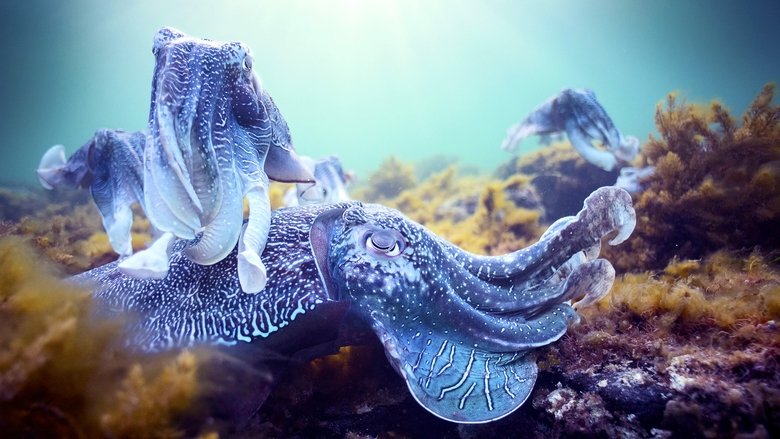
Oceans of Wonder
This extended special journeys from the equator to the unexplored depths, meeting the best-loved characters from the series.
Videos: Trailers, Teasers, Featurettes
Cast

David Attenborough
Self - Presenter