Introduction to the Shie Hassaikai Arc
My Hero Academia – Season 4 debuted on October 12, 2019, following the massive shift in the hero society status quo. This season picked up after the retirement of All Might, the former Symbol of Peace. Without a single dominant protector, the criminal underworld began to reorganize under new leaders. The season primarily adapted the Shie Hassaikai and School Festival arcs from the original manga series.
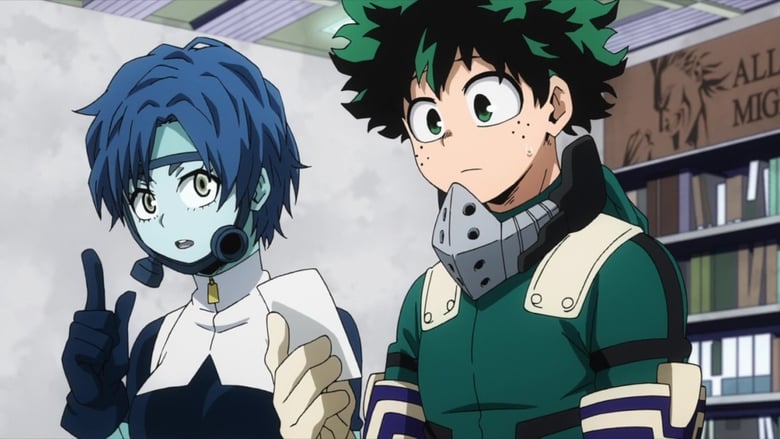
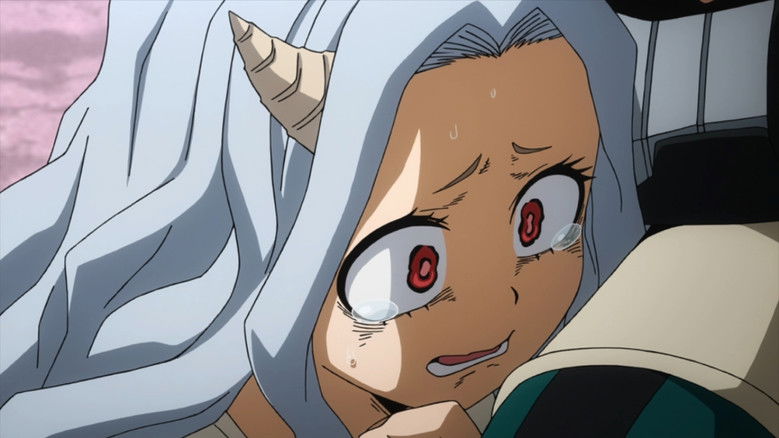
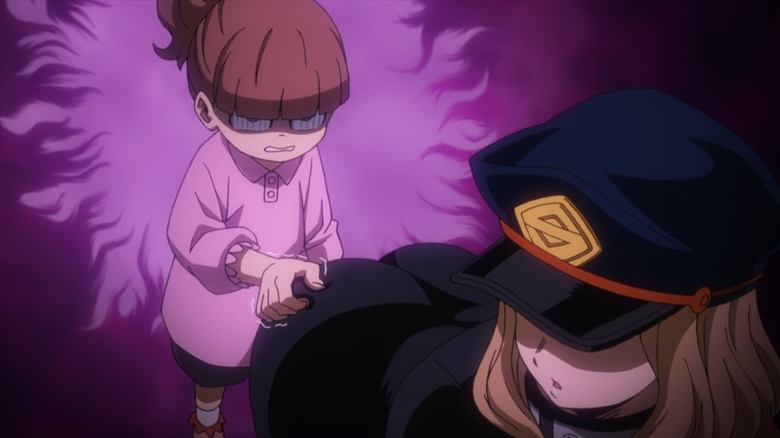
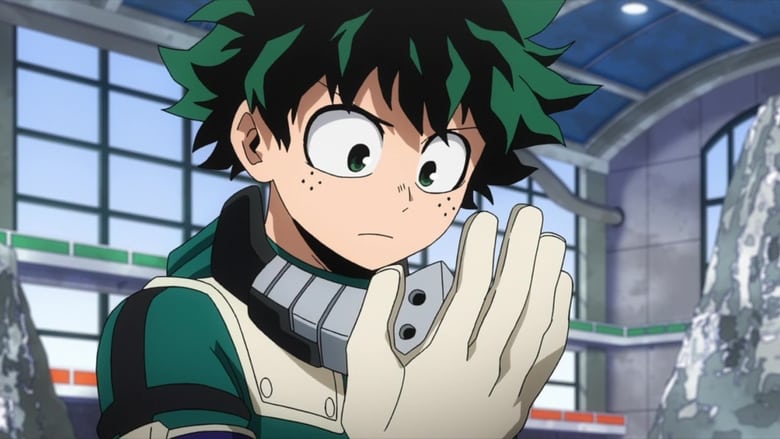
The story followed Izuku Midoriya, also known as Deku, as he sought a professional work study. He eventually joined the agency of Sir Nighteye, who served as All Might’s former sidekick. Through this internship, Deku met Mirio Togata, one of the Big Three students at U.A. High School. Together, they discovered a plot involving a young girl named Eri and a dangerous Yakuza leader named Kai Chisaki, who used the alias Overhaul.
Why You Should Watch My Hero Academia – Season 4
This season introduced a darker tone compared to previous years by focusing on organized crime and medical experimentation. The introduction of Overhaul brought a villain with a unique philosophy regarding quirks and their impact on humanity. The season balanced this heavy atmosphere with the School Festival, which highlighted the daily lives and talents of the Class 1-A students. It also provided a deeper look at the professional hero rankings and the pressure placed on Endeavor as the new Number 1 Hero.
The Conflict with the Shie Hassaikai
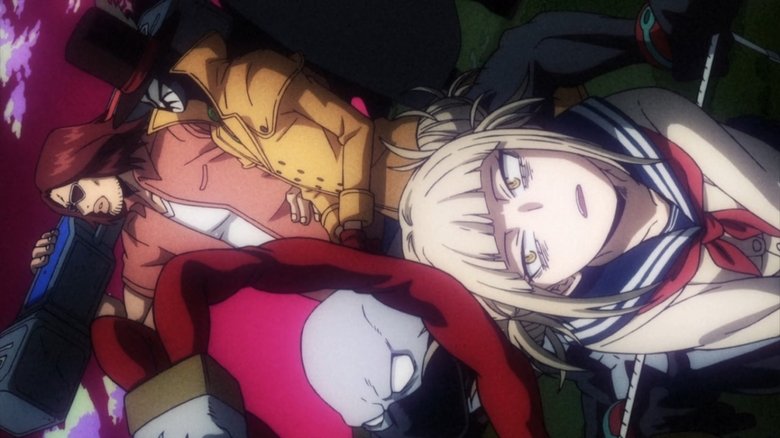
The first half of the season centered on the rescue mission for Eri. Kai Chisaki led a group of Yakuza who believed quirks were a plague on society. He developed a weaponized drug capable of permanently erasing a person’s quirk by using Eri’s unique cellular structure. This established a new type of threat that did not rely on physical destruction but on the removal of a hero’s identity and utility.
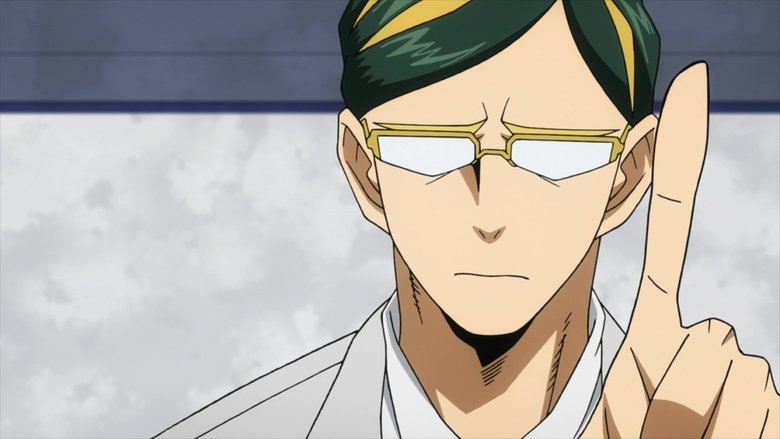
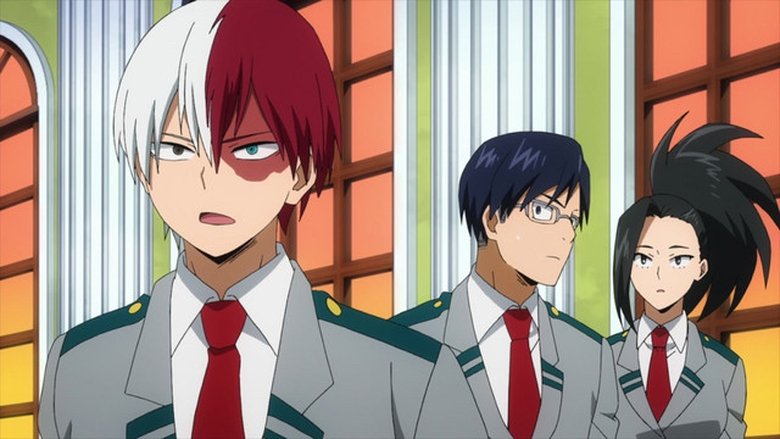
Sir Nighteye and his team of heroes, including Fat Gum, Ryukyu, and Eraser Head, launched a raid on the Yakuza headquarters. The battle showcased the growth of students like Tamaki Amajiki and Eijiro Kirishima. Kirishima demonstrated his Unbreakable form while protecting his mentor, showing that the students were becoming capable of handling professional-level combat scenarios. The raid culminated in a fight between Overhaul and Mirio Togata, followed by a final showdown with Deku.
Growth and Consequences for the Hero Course
Mirio Togata played a pivotal role this season as a foil to Deku. As the student closest to the top of the hero rankings, his combat skills and optimistic attitude set a benchmark for what Deku needed to achieve. His fight against Overhaul without the use of his quirk served as a key moment in the series. It highlighted that hero work is defined by spirit and technique rather than just the strength of a supernatural power.
The death of a major character during the rescue mission brought a sense of finality and consequence to the hero profession. Sir Nighteye had used his Foresight quirk to predict a grim future, and the struggle to change that destiny became a central theme. Deku had to push the limits of One For All to 100 percent capacity to overcome Overhaul‘s final form. This was only possible through the aid of Eri’s Rewind quirk, which prevented Deku’s body from breaking under the pressure of his own power.
The Transition to the School Festival
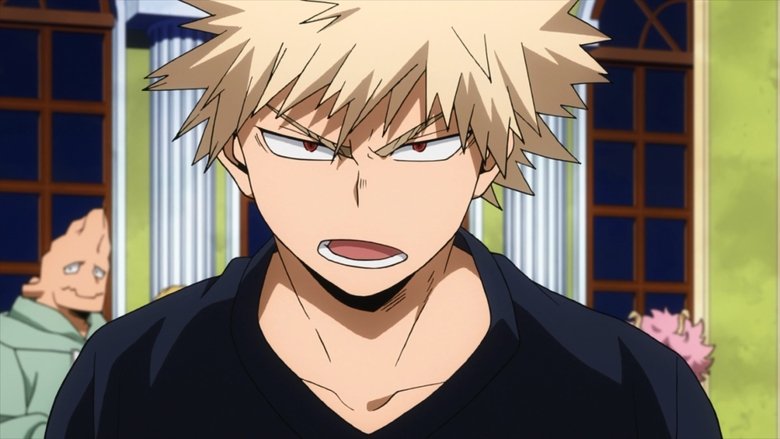
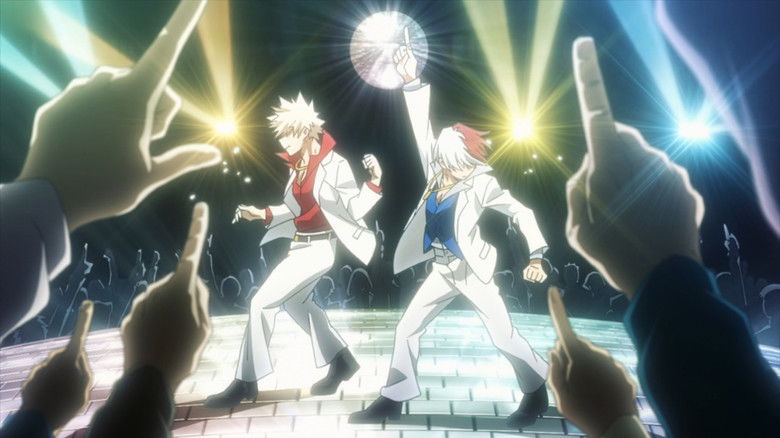
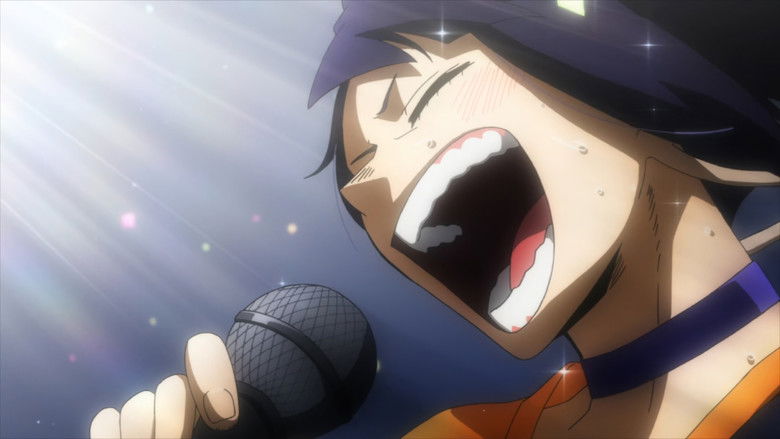
After the intensity of the Yakuza raid, the series shifted focus to the U.A. School Festival. This arc allowed the students of Class 1-A to focus on their personal bonds and creative skills. Kyoka Jiro took the lead as the band director, helping the class prepare a musical performance for the rest of the school. The goal was to provide a moment of joy for Eri and the other students who were living under constant stress from villain attacks.
During this arc, a new antagonist named Gentle Criminal and his partner La Brava were introduced. Unlike previous villains, Gentle Criminal was motivated by a desire for fame and a legacy rather than destruction or social reform. His confrontation with Deku was a clash of motivations. Deku fought to protect the festival’s success for the sake of Eri’s happiness, while Gentle fought for his own recognition as a historical figure. This fight displayed Deku’s improved tactical use of long-range attacks and air pressure.
The New Number One Hero
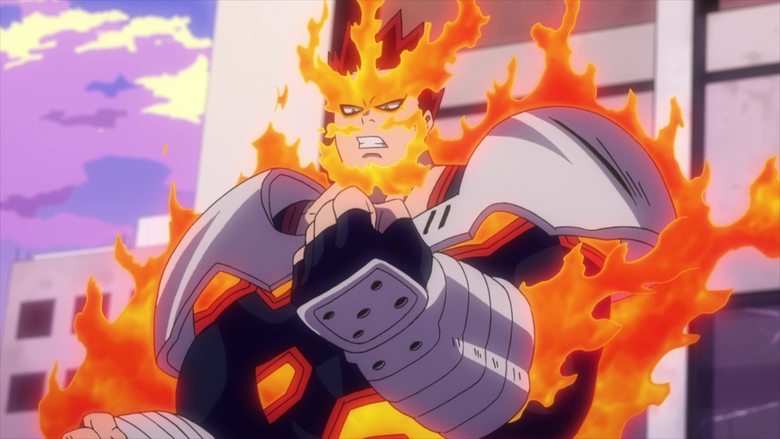
The season concluded with the Pro Hero arc, which focused on the official announcement of the new hero rankings. Endeavor took the top spot, but his position was met with public skepticism. He struggled with the legacy of All Might and his own past mistakes as a father. This internal struggle was paired with a massive physical challenge when a new, intelligent Nomu attacked a city.
Endeavor teamed up with the Number 2 hero, Hawks, to stop the creature. The battle was a test of Endeavor‘s resolve and his ability to inspire the public as the new Symbol of Peace. The animation in this final fight highlighted the destructive power of Endeavor‘s flames and the speed of Hawks‘ wings. The season ended with a clear message that while All Might was gone, the era of heroes would continue under new, flawed leadership.
You can find more details about the series on the main My Hero Academia page. For more information on the production and cast, visit the IMDb page. This season is currently available for streaming on platforms like Hulu and Crunchyroll in the US region.
- Introduction of Eri: A central figure whose quirk changed the power dynamics of the world.
- The Rise of Overhaul: A new type of villain representing organized crime and anti-quirk sentiment.
- The Big Three: Spotlight on the top students of U.A., especially Mirio Togata.
- Redemption Arcs: Early steps in Endeavor‘s journey to becoming a legitimate hero.
- Cultural Shift: The School Festival arc provided a look at student life outside of combat training.
Is My Hero Academia – Season 4 Safe to Watch? (Age Rating Guide)
Official age rating not available.
| Director | Not available |
|---|---|
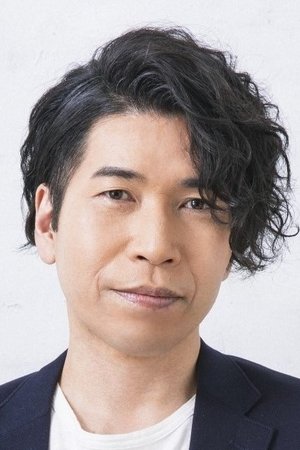
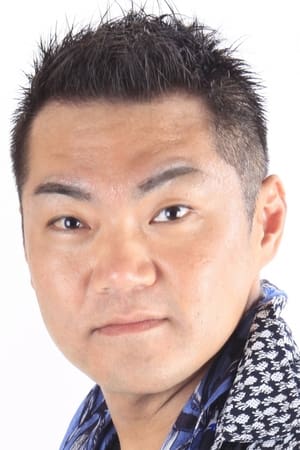
| Main Cast | Daiki Yamashita, Tarusuke Shingaki, Nobuhiko Okamoto, Kenta Miyake, Ayane Sakura |
| Release Year | 2019 |
| Genre | Action & Adventure, Animation, Sci-Fi & Fantasy |
Frequently Asked Questions
When was My Hero Academia – Season 4 released?
My Hero Academia – Season 4 was released on October 12, 2019.
What is My Hero Academia – Season 4 about?
With All for One out of the game, the evil world is on the brink of war. Shigaraki of the League of Villains and Overhaul of the Yakuza vie for dominance of the underworld. Meanwhile, Deku finds himself in another dangerous internship with his senior Mirio.
Where can I watch My Hero Academia – Season 4?
My Hero Academia – Season 4 is available on Amazon Video, Apple TV, and Crunchyroll Amazon Channel.