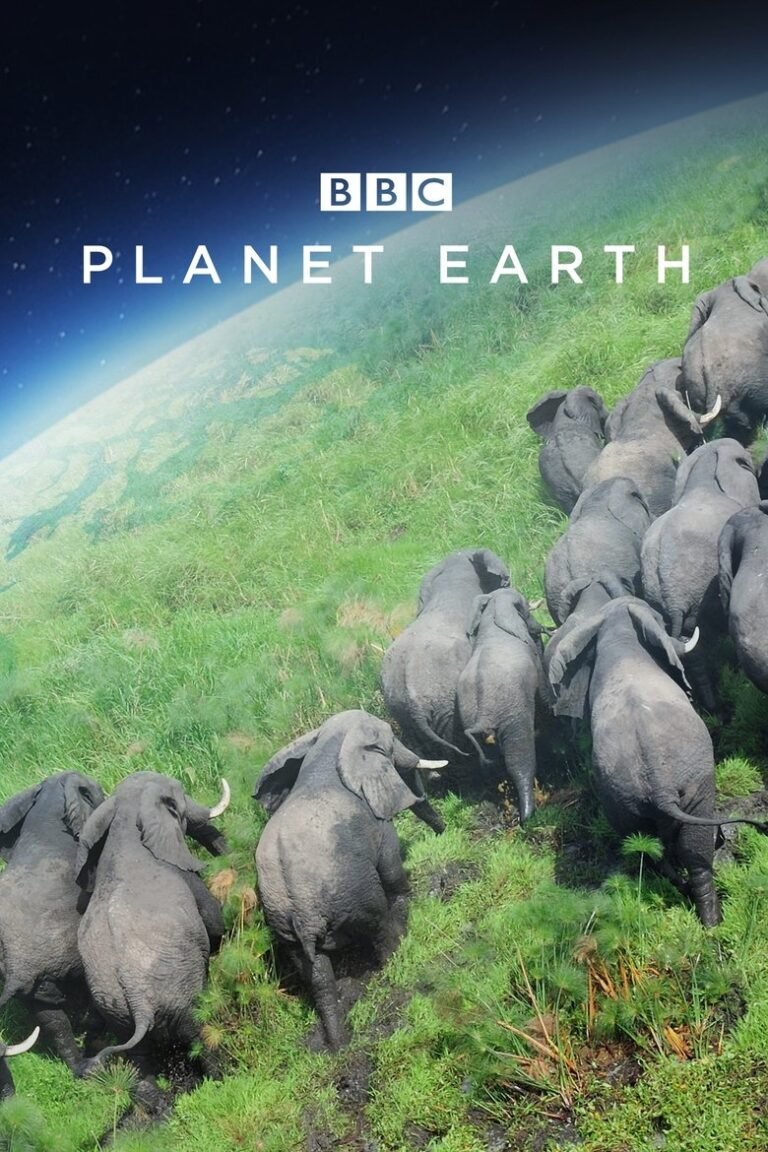
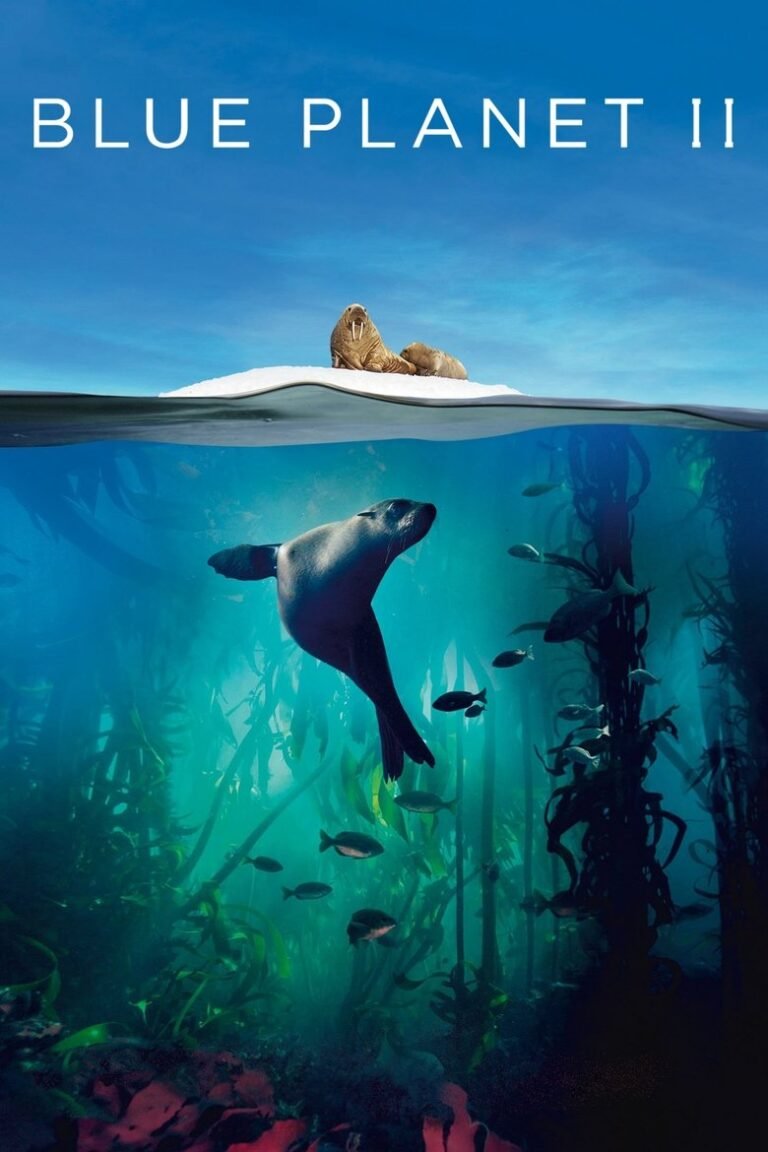
Planet Earth II – Season 0 consists of the supplemental content and behind-the-scenes specials produced by the BBC Natural History Unit to accompany the main 2016 television series. This collection includes the Planet Earth II Diaries, which were ten-minute segments originally aired at the end of each primary episode to show the technical process behind the filming. These specials also featured promotional trailers and interviews with the production team that explained the logistical challenges of capturing wildlife behavior in 4K UHD resolution.
The content in this season focused on the transition from the traditional tripod-based filming seen in the original 2006 series to a more mobile and immersive style. Narrated by David Attenborough, the specials provided context for the various habitats covered in the main show, such as Islands, Mountains, Jungles, Deserts, Grasslands, and Cities. The production footage detailed the three-year journey of the crew as they traveled to 40 different countries to document rare animal interactions. You can find more information about this landmark series in our Planet Earth II section.
Why You Should Watch Planet Earth II – Season 0
The primary reason to watch these specials is the detailed look at how wildlife cinematography evolved between 2006 and 2016. This season explained the move toward stabilized camera systems and drones which allowed the audience to feel as though they were moving alongside the animals. Unlike the main episodes which focused purely on the natural world, these segments highlighted the human effort and the physical dangers the camera crews faced in the field.
The Evolution of Camera Stabilization
A significant portion of Planet Earth II – Season 0 was dedicated to the use of handheld stabilizers and gimbals. In previous nature documentaries, camera operators were often restricted to heavy tripods and long lenses, which created a distant and static view of the animals. These specials showed how operators like Rob Whitworth and Emma Napper used new technology to track animals through dense forests and rocky terrain. This change in equipment enabled a more fluid visual style that matched the movement of the subjects.
The production team also utilized drone technology more extensively than in any prior series. The specials documented how small, agile drones were used to fly through forest canopies and over mountain ridges. This provided a perspective that was previously only possible with expensive and loud helicopters. The Planet Earth II Diaries showed how crews had to pilot these devices in high-altitude environments and extreme weather conditions without disturbing the local wildlife.
Logistical Challenges in Extreme Environments
The specials provided a factual breakdown of the logistical planning required for remote shoots. For example, the segment on the Mountains episode detailed the crew’s journey to the Himalayas to film snow leopards. The production team spent several weeks in sub-zero temperatures, often waiting days for a single sighting. They used remote camera traps that were triggered by movement, allowing them to capture footage of these elusive cats without a human presence nearby.
In the Islands special, the footage showed the difficulty of reaching the Gal1pagos Islands to film marine iguanas and racer snakes. The crew had to carry hundreds of pounds of equipment over volcanic rock and manage their water supplies in isolated locations. These diaries emphasized the physical toll on the filmmakers, who often lived in tents for months at a time. The transparency about these conditions provided a deeper understanding of the final shots seen in the main series.
Technical Achievements in 4K and Sound Design
As the first BBC series filmed entirely in Ultra-High-Definition, the production required a massive leap in data management and processing. The specials explained how the crew managed large amounts of digital storage in the field where power sources were scarce. The shift to 4K meant that every detail, from the texture of a bird’s feathers to the moisture on a leaf, was recorded with high fidelity. This technical requirement forced the crews to be even more precise with their focus and lighting.
The audio production was also a major focus of the Season 0 content. The specials detailed how sound recordists captured ambient noises in environments like the Amazon rainforest or the Okavango Delta. This raw audio was later combined with the musical score composed by Hans Zimmer, Jacob Shea, and Jasha Klebe. The diaries showed how the music was designed to emphasize the natural rhythm of the animal movements rather than simply acting as background noise. This integrated approach to sound and vision set a new standard for the genre.
Urban Wildlife and New Conflict
One of the most unique aspects of the Planet Earth II production was the Cities episode, and its corresponding diary explained the unique challenges of filming in man-made environments. The crew filmed langurs in Jodhpur, India, and leopards in Mumbai. The specials showed how the production team had to navigate urban crowds and legal permits while tracking predators through city streets. This shift from wild landscapes to urban settings highlighted a new conflict between nature and human expansion.
The Cities special also discussed the use of thermal imaging cameras to film nocturnal animals in Singapore and New York. These cameras allowed the crew to see animals in total darkness, revealing behaviors that were invisible to the naked eye. By documenting these interactions, the series showed how certain species have adapted to live alongside humans. This editorial focus on adaptation and survival provided a factual look at the modern state of the natural world. You can browse other similar documentaries in our TV Shows catalog.
Is Planet Earth II – Season 0 Safe to Watch? (Age Rating Guide)
Official age rating not available.
For verified credits, release details, or official resources, visit IMDb and Official Site.
| Director | Not available |
|---|---|
| Main Cast | David Attenborough |
| Release Year | 2016 |
| Genre | Documentary, Family |
Frequently Asked Questions
When was Planet Earth II – Season 0 released?
Planet Earth II – Season 0 was released on November 6, 2016.
What is Planet Earth II – Season 0 about?
Planet Earth II – Season 0 is available on Flixr.
Where can I watch Planet Earth II – Season 0?
Official streaming platforms for Planet Earth II – Season 0 have not been confirmed.
Episode guide

Diaries: Islands
Episode synopsis will appear here after the next metadata refresh.
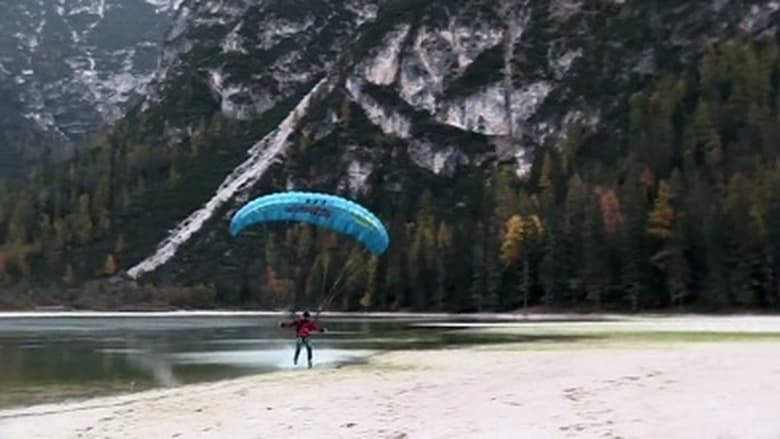
Diaries: Mountains
Episode synopsis will appear here after the next metadata refresh.

Diaries: Jungles
Episode synopsis will appear here after the next metadata refresh.

Diaries: Deserts
Episode synopsis will appear here after the next metadata refresh.
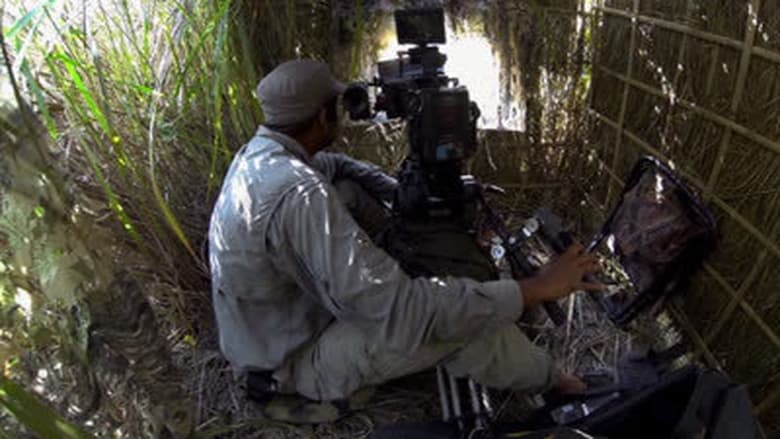
Diaries: Grasslands
Episode synopsis will appear here after the next metadata refresh.

Diaries: Cities
Episode synopsis will appear here after the next metadata refresh.
A World of Wonder
A compilation episode of the wildlife documentary series presented by David Attenborough, uncovering the secrets of animals across the globe.
The Making of Planet Earth II
A behind-the-scenes look at "Planet Earth II."
Planet Earth: A Celebration
David Attenborough, Hans Zimmer and Dave unite for a special Natural History event – Planet Earth: A Celebration. The special one-hour programme brings together eight of the most extraordinary sequences from Planet Earth II and Blue Planet II including racer snakes vs iguana, surfing bottlenose dolphins and rare footage of the Himalayan snow leopard. Featuring new narration from David Attenborough, new compositions and arrangements from Hans Zimmer, Jacob Shea and the team at Bleeding Fingers and performed by the BBC Concert Orchestra, accompanied by Brit and Mercury Award-winning UK rapper Dave. In these extraordinary times, there is one thing that can offer solace to everyone – the wonder of the natural world.
Videos: Trailers, Teasers, Featurettes
Cast

David Attenborough
Self - Narrator