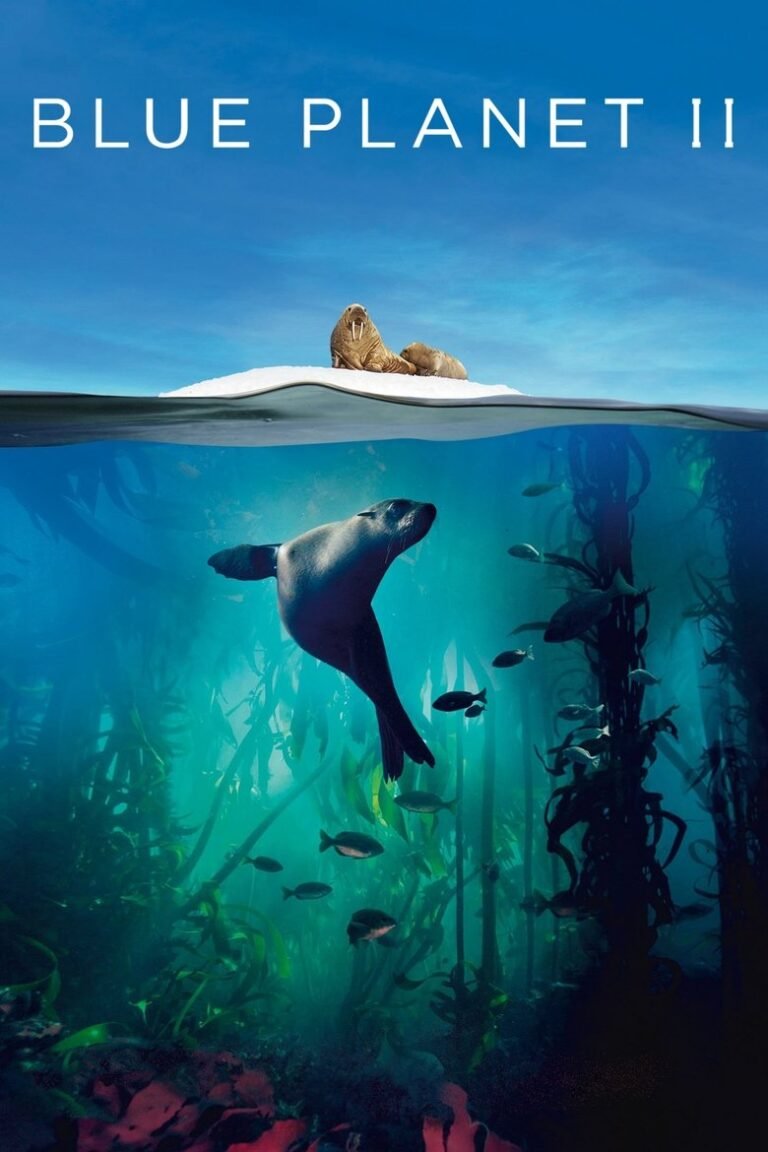
Planet Earth II – Season 1 is a nature documentary series that premiered on November 6, 2016. It served as a sequel to the 2006 series and featured narration by David Attenborough. The production used high-definition cameras and new filming techniques to document animals in their natural habitats across the globe. This series is a key entry in the category of TV Shows focused on the natural world.
The series consisted of six main episodes, each focusing on a different biome. From the isolated shores of remote islands to the crowded streets of modern cities, the show documented survival in the natural world. It featured a score composed by Hans Zimmer and used 4K resolution to enhance the visual detail of every frame. The show focused on providing a closer perspective on animal life than had been seen in previous years.
Is Planet Earth II – Season 1 Safe to Watch? (Age Rating Guide)
Official age rating not available.
Why You Should Watch Planet Earth II – Season 1
Planet Earth II – Season 1 provided a new look at the natural world using 4K technology and stabilized camera systems. This allowed the camera crew to record animal behavior with high levels of detail and clarity. The series also featured an orchestral score that matched the pace of the animal interactions shown on screen. Viewers can see the progression from the 2006 original to Planet Earth II through its use of modern equipment.
Advanced Filming Technology
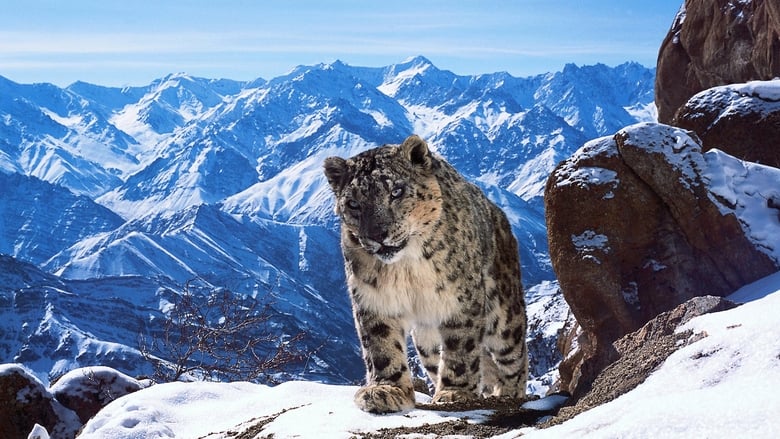
The production team utilized drones and remote camera traps to reach difficult locations. In the Mountains episode, they used these tools to track snow leopards in the Himalayas. This approach allowed the audience to see these animals without the presence of a human film crew nearby. The cameras were able to stay in position for long periods to catch rare movements.
Handheld stabilized cameras allowed cinematographers to walk alongside animals. In the Islands episode, the camera followed marine iguanas on the beaches of the Galápagos Islands. The technology ensured the footage remained steady even as the cameraman moved over uneven volcanic rocks. This created a smoother visual experience compared to older documentaries.
Orchestral Score and Sound Design
The music for the series was composed by Hans Zimmer, Jacob Shea, and Jasha Klebe. They worked with the production house Bleeding Fingers Music to create themes for each episode. The music was designed to highlight the specific challenges faced by animals in each biome. The orchestral elements were timed to match the movements of the wildlife on screen.
The sound design also emphasized the noises of the environment. In the Jungles episode, the sounds of insects and rainfall were layered with the score. This created a sense of being present in the dense forest while watching the footage. The audio team used directional microphones to capture the specific calls of birds and mammals.
Episode Breakdown: Islands and Mountains
The first episode focused on the unique life found on islands. It featured racer snakes hunting young iguanas in a sequence that received significant public attention. The episode also documented the pygmy three-toed sloth and the Komodo dragon. It visited Zavodovski Island in the Antarctic to film a large colony of chinstrap penguins.
In the Mountains episode, the series moved to high-altitude environments. It showed the social dynamics of nubian ibex and the hunting strategies of golden eagles in the Alps. The footage of snow leopards was a result of several months of waiting in the cold by the camera crews. They used remote triggers to capture the leopards marking their territory.
Jungle and Desert Environments
The Jungles episode looked at how animals survive in crowded and wet conditions. It showed the indri in Madagascar and the Wilson’s bird-of-paradise in Indonesia. The crew had to deal with high humidity which often caused problems for their electronic equipment. They used specialized lighting to film the forest floor at night.
The Deserts episode focused on survival in areas with very little water. It showed a long-eared bat fighting a scorpion and lions hunting in the Namib Desert. The episode explained how these animals manage their body temperatures in the heat. It also featured a massive swarm of locusts moving across the landscape in search of food.
Grasslands and the Rise of Cities
Grasslands support some of the largest populations of animals on the planet. The series followed saiga antelope in the Russian steppe and lions in the Okavango Delta. It documented how seasonal changes in rainfall influence where these animals travel. A sequence also showed harvest mice using their tails to climb grass stems in England.
The final episode, Cities, looked at wildlife that lives alongside humans. It featured leopards hunting in Mumbai and peregrine falcons nesting on skyscrapers in New York. This episode showed that some species have found ways to thrive in urban settings. It documented hyenas entering the city of Harar in Ethiopia to find food at night.
The Making-Of Diaries
Each episode ended with a short segment called a Planet Earth II Diary. These clips showed the difficulties the film crews faced while on location. They provided context on how many days were spent waiting for a single shot or how they moved heavy equipment up mountains. These segments highlighted the logistical planning required for nature filmmaking.
The diaries often showed the crew dealing with extreme weather or dangerous animals. In the Islands episode, they had to land on a remote volcanic island during rough sea conditions. These behind-the-scenes moments showed the reality of the production process. The crew often spent weeks in isolation to get a few minutes of usable footage.
For verified credits, release details, or official resources, visit IMDb and Official Site.
| Director | Not available |
|---|---|
| Main Cast | David Attenborough |
| Release Year | 2016 |
| Genre | Documentary, Family |
Frequently Asked Questions
When was Planet Earth II – Season 1 released?
Planet Earth II – Season 1 was released on November 6, 2016.
What is Planet Earth II – Season 1 about?
Planet Earth II – Season 1 is available on Flixr.
Where can I watch Planet Earth II – Season 1?
Planet Earth II – Season 1 is available on Amazon Video, AMC, and AMC Plus Apple TV Channel.