Planet Earth – Season 1 is a landmark nature documentary series that first aired in 2006. Produced by the BBC Natural History Unit, the series consists of 11 episodes, each focusing on a specific biome or habitat. The production took five years to complete and involved filming in over 60 countries across the globe. David Attenborough provides the narration for the original version, guiding viewers through diverse landscapes including high mountains, deep oceans, and arid deserts. This season was one of the first major nature productions to be filmed entirely in high definition, providing a level of detail that was not available in previous wildlife documentaries.
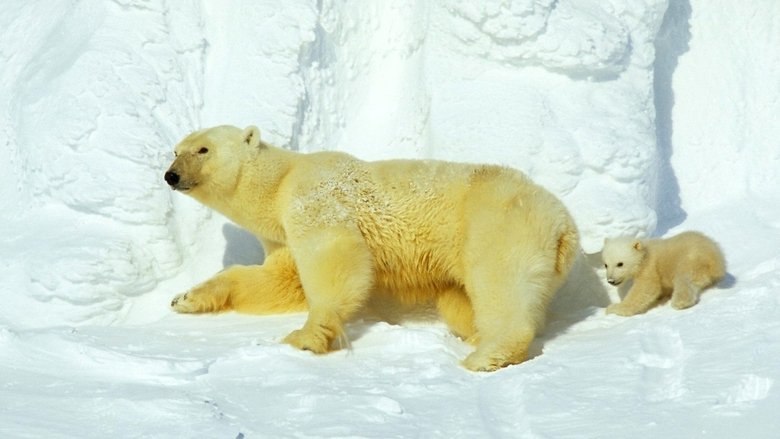
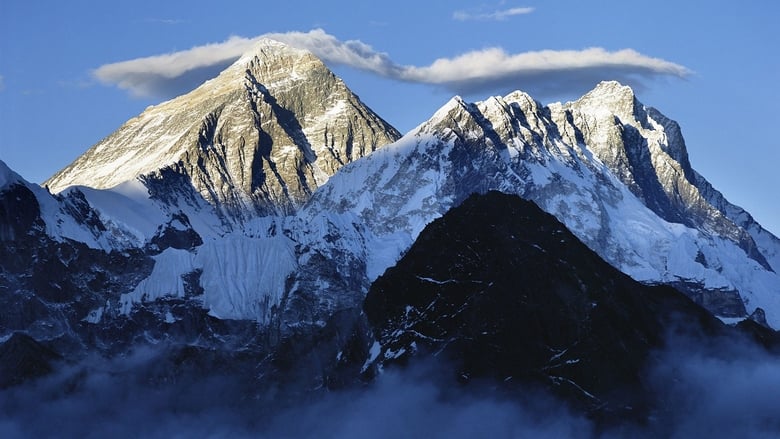
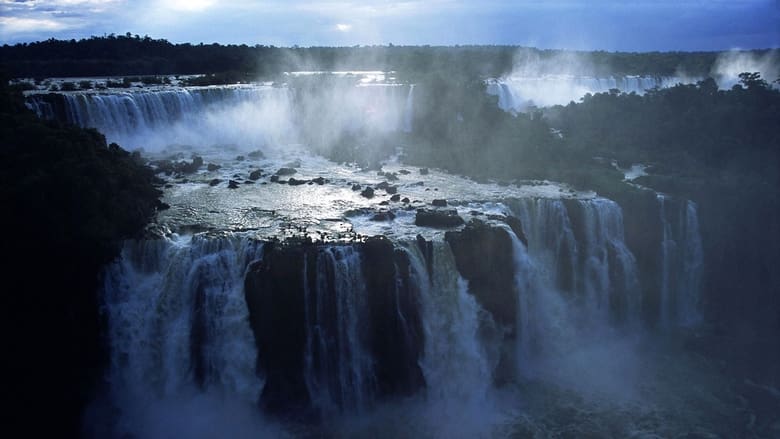
The series begins with an overview titled “From Pole to Pole,” which explains how the sun and seasonal changes drive life on Earth. Subsequent episodes focus on specific environments such as the Himalayas, the Amazon rainforest, and the Sahara Desert. The production team used specialized equipment, including high-speed cameras and stabilized aerial platforms, to capture animal behaviors that had rarely been seen by humans. This includes sequences such as snow leopards hunting in the mountains and polar bears emerging from their dens. The show avoids a human-centric narrative, focusing instead on the biological struggles and environmental challenges faced by wildlife in their natural settings.
Why You Should Watch Planet Earth – Season 1
Planet Earth – Season 1 changed the way nature documentaries are made and viewed. One of the primary reasons to watch this season is the technological precision of the footage. The use of Cineflex camera systems allowed the crew to film from helicopters at great distances. This meant they could capture predators like wolves and African hunting dogs without the animals becoming aware of the camera. The result is a series of long, stable shots that show animals behaving naturally across wide landscapes. The high-definition format ensures that the textures of the environments, from the ice crystals in the Arctic to the scales of deep-sea fish, are clearly visible.
The variety of locations is another significant factor. The series does not limit itself to common wildlife spots. It includes footage from the Lechuguilla Cave in the United States, which is restricted to the public. It also features the Baikal seal in Russia and the birds of paradise in New Guinea. The episodes are structured to be educational, explaining the relationship between the climate, the landscape, and the resident animals. The series provides a comprehensive look at the world’s ecosystems without relying on artificial drama. It presents the facts of survival, such as the struggle for food or the difficulty of finding a mate, in a direct and clear manner.
Technical Innovations in Wildlife Filming
The technical side of the production is a key reason for its longevity. The BBC invested in thermal imaging and night-vision technology to capture nocturnal animals in the dark. In the episode “Caves,” the crew used specialized lighting to illuminate massive underground chambers without disturbing the sensitive ecosystem. These techniques allowed the series to show environments that were previously thought to be impossible to film. The time-lapse photography used in the “Seasonal Forests” episode is another highlight. It shows the floor of a deciduous forest changing over the course of a year, compressed into a few seconds of footage.
The sound design also plays a major role in the viewing experience. While David Attenborough provides the factual context, the ambient sounds of the environment were recorded with high fidelity. You can hear the movement of glaciers, the calls of rare birds, and the sound of wind across the tundra. The musical score, composed by George Fenton, was recorded by the BBC Concert Orchestra. The music is used to differentiate the moods of different habitats, such as the tension of a hunt or the stillness of the deep ocean. These elements combined to set a new standard for the genre in 2006.
Educational and Scientific Value
Beyond its visual appeal, Planet Earth – Season 1 serves as a reliable educational resource. The series was developed with input from scientists and biologists who specialize in various fields of ecology. This ensures that the information regarding animal migrations, weather patterns, and reproductive cycles is accurate. For example, the “Fresh Water” episode explains the path of water from mountain peaks down to the sea, illustrating how it supports different life forms at every stage. This factual approach makes the series useful for those looking to understand the mechanics of the natural world.
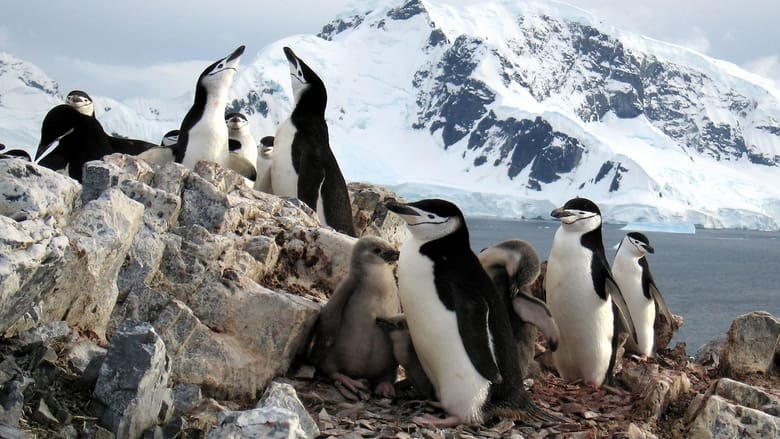
The show also documents the impact of environmental changes on wildlife. While it does not focus heavily on political or industrial topics, it shows the reality of melting sea ice and shrinking habitats. In the “Ice Worlds” episode, the footage of polar bears struggling to find solid ground provides a clear look at the changing state of the Arctic. This documentation of the planet as it existed in the mid-2000s serves as an important historical record for researchers and nature enthusiasts alike. The objective tone of the narration helps keep the focus on the animals and their environments.
Is Planet Earth – Season 1 Safe to Watch? (Age Rating Guide)
Official age rating not available.
Browse more curated picks in Planet Earth and TV Shows.
For verified credits, release details, or official resources, visit IMDb and Official Site.
| Director | Not available |
|---|---|
| Main Cast | David Attenborough |
| Release Year | 2006 |
| Genre | Documentary |
Frequently Asked Questions
When was Planet Earth – Season 1 released?
Planet Earth – Season 1 was released on March 5, 2006.
What is Planet Earth – Season 1 about?
Planet Earth – Season 1 is a landmark nature documentary series that first aired in 2006. Produced by the BBC Natural History Unit, the series consists of 11 episodes, each focusing on a specific biome or habitat. The production took five years to complete and involved filming in over 60 countries across the globe.
Where can I watch Planet Earth – Season 1?
Planet Earth – Season 1 is available on Amazon Video, AMC, and AMC Plus Apple TV Channel.