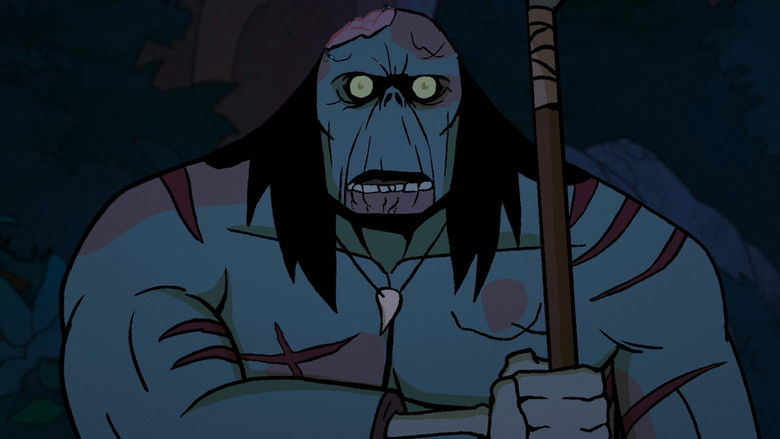
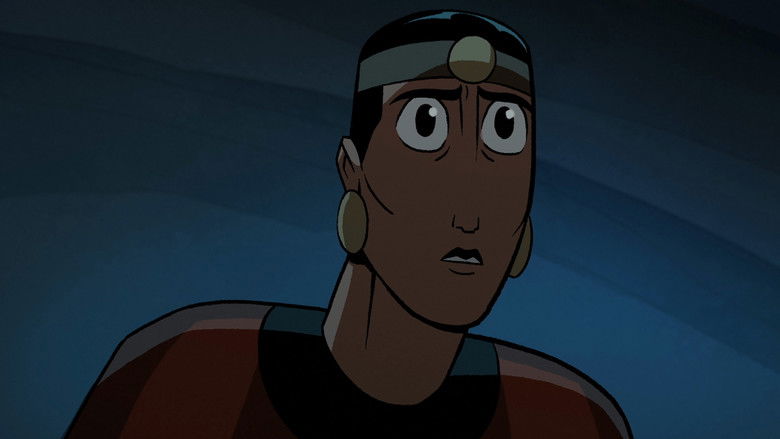
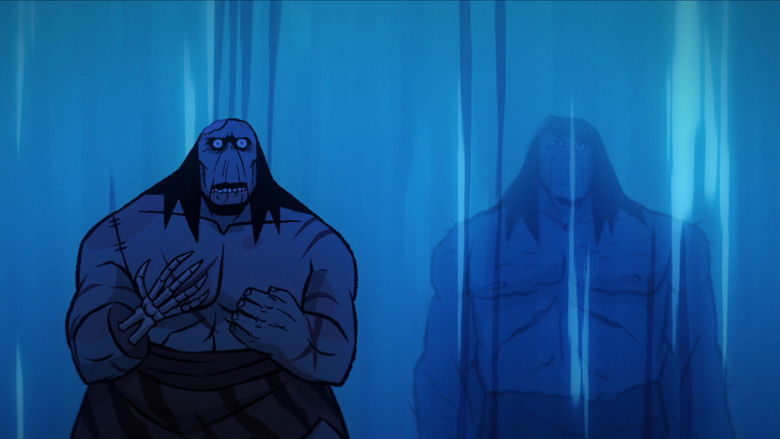
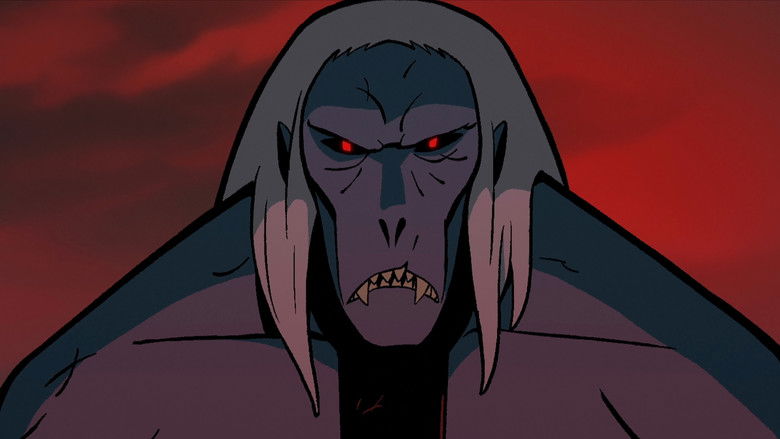
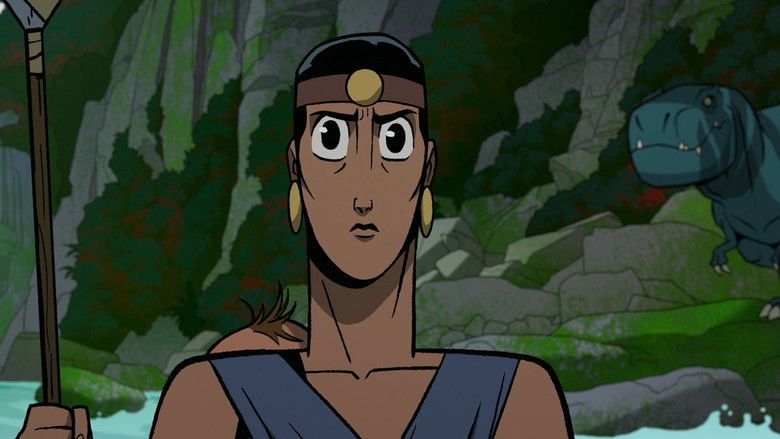
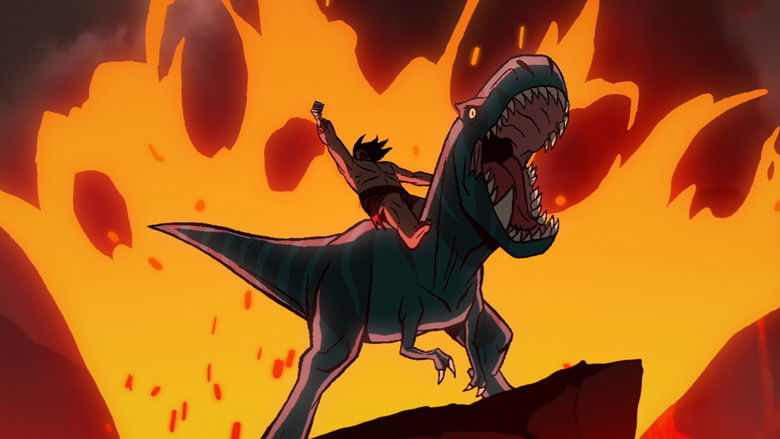
Primal – Season 3 arrived on Adult Swim on January 11, 2026, marking a significant shift in the series’ narrative structure. Following the conclusion of the story involving Spear and Fang in the previous season, this new installment adopted an anthology format. Creator Genndy Tartakovsky returned to lead the production, maintaining the signature style that combined hyper-violent action with quiet, emotional character moments. The season functioned as a collection of standalone tales that moved through different eras and environments rather than following a single linear path.
The production remained under the banner of Williams Street and continued its partnership with Studio La Cachette to deliver high-quality hand-drawn animation. Aaron LaPlante, who provided the voice for Spear in the first two chapters, remained associated with the project, though the new format introduced a variety of new voices and primitive sounds. The release solidified the show’s place on the Primal franchise timeline by proving the concept could work beyond its original protagonists. This season focused heavily on the raw mechanics of survival in a world where the natural order is often cruel and unpredictable.
Why You Should Watch Primal – Season 3
The primary reason to watch Primal – Season 3 was its bold departure from the established serialized format. By moving into an anthology style, the series allowed Genndy Tartakovsky to experiment with different genres, including horror, survival, and historical fiction. Each episode presented a new world with unique biological rules and environmental threats. This approach kept the tension high because the lack of a recurring main character meant that anyone introduced could face a definitive end by the time the credits rolled. The show utilized this unpredictability to create a sense of danger that felt more present than in the earlier character-driven arcs.
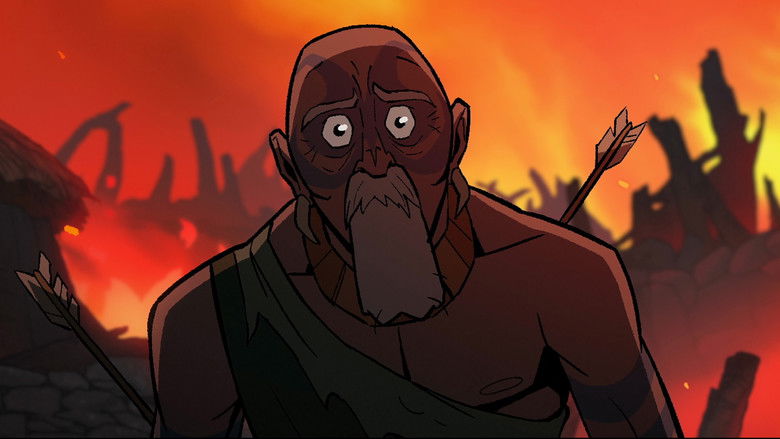
Visual storytelling reached a new peak in these episodes. Without the reliance on spoken dialogue, the animation had to carry the entire weight of the plot and character development. The artists used thick outlines and a varied color palette to distinguish the different settings, ranging from frozen tundras to sun-scorched deserts. The absence of traditional speech forced viewers to pay close attention to character expressions and body language. This method of storytelling created a universal experience that did not rely on language, making the conflicts between predator and prey feel immediate and grounded.
The Evolution of Primitive Action
The action sequences in Primal – Season 3 remained some of the most detailed in modern animation. The choreography of the fights emphasized physics and weight, showing how creatures used their surroundings to gain an advantage. These battles were not just about spectacle; they often told a story about the desperation of the characters involved. The show avoided the typical tropes of action series by focusing on the physical toll of combat. Characters suffered injuries that lasted, and the environments often became as much of an obstacle as the antagonists themselves.
The sound design, led by composers Tyler Bates and Joanne Higginbottom, played a critical role in the viewing experience. With no dialogue to fill the space, the score and the ambient sound effects took center stage. The growls, footsteps, and environmental noises were mixed with a heavy emphasis on realism. The music shifted between tribal rhythms and haunting orchestral tracks to match the tone of each specific anthology entry. This sensory focus allowed the show to maintain a heavy atmosphere that few other TV Shows in the animation space could match.
Experimental Narrative Themes
This season also explored themes of legacy and the passage of time. Some episodes jumped forward to different stages of human and animal evolution, showing how the struggle for survival changed while the core instincts remained the same. It removed the safety net of knowing the protagonist would return next week, which allowed the writers to take bigger risks with the endings. Some stories ended in tragedy, while others focused on the strange beauty of the natural world. This variety prevented the show from becoming repetitive, as each 22-minute segment felt like a self-contained film.
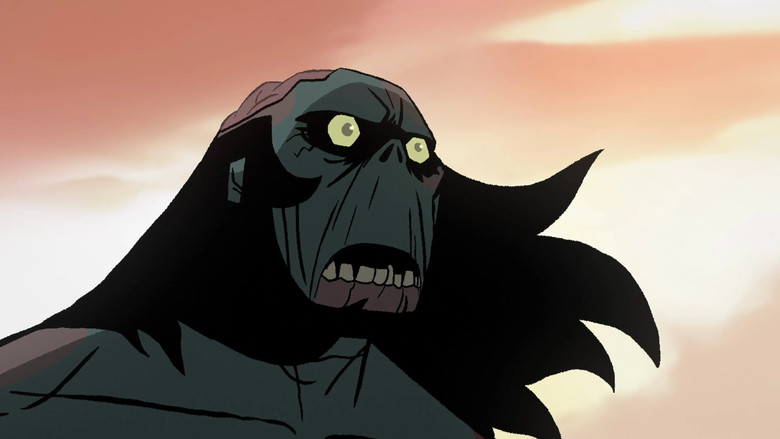
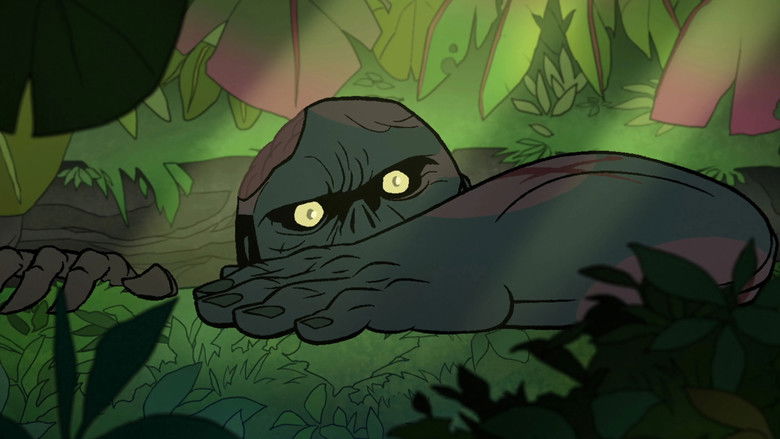
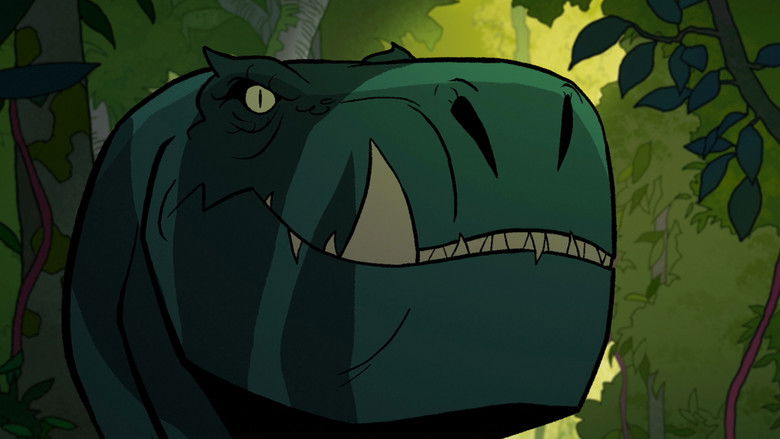
The creature designs continued to be a highlight for fans of speculative biology and paleontology. The design team took inspiration from real fossils but added creative flourishes to make the monsters feel supernatural. The scale of the threats varied from microscopic parasites to towering behemoths that dwarfed the landscapes. By highlighting different corners of this fictionalized ancient earth, the creators built a wider mythology for the series. This world-building was done entirely through background details and environmental cues rather than through exposition dumps.
Is Primal – Season 3 Safe to Watch? (Age Rating Guide)
Official age rating not available.
For verified credits, release details, or official resources, visit IMDb and Official Site.
| Director | Not available |
|---|---|
| Main Cast | Aaron LaPlante |
| Release Year | 2026 |
| Genre | Action & Adventure, Animation |
Frequently Asked Questions
When was Primal – Season 3 released?
Primal – Season 3 was released on January 11, 2026.
What is Primal – Season 3 about?
Primal – Season 3 is available on Flixr.
Where can I watch Primal – Season 3?
Primal – Season 3 is available on Adult Swim, Amazon Video, and Apple TV.