The Simpsons – Season 1 premiered on December 17, 1989, on the Fox network, effectively transitioning the characters from brief sketches on The Tracey Ullman Show to a full-length sitcom. This initial collection of 13 episodes established the foundational dynamics of the Simpson household, consisting of Homer, Marge, Bart, Lisa, and Maggie. The narrative focus is grounded in the economic and social realities of a working-class family residing in the fictional industrial town of Springfield.
The debut season is characterized by a dry, satirical tone that critiques the traditional American nuclear family archetype. Unlike the surrealist humor of later years, these episodes emphasize domestic conflicts, school-age rebellion, and the persistent threat of financial instability. Key episodes like “Simpsons Roasting on an Open Fire” and “Life on the Fast Lane” set the precedent for the series’ ability to blend cynical observations on society with grounded emotional arcs.
Why You Should Watch The Simpsons – Season 1
Viewing the first season is essential for understanding the evolution of modern adult animation. It provides a historical record of the show’s experimental phase, where the visual aesthetic and character personalities were still being refined. The animation, handled by Klasky Csupo, features a distinct, rougher style that offers a stark contrast to the polished digital standards of contemporary television. This season prioritizes character-driven storytelling over high-concept gags, offering a more somber and realistic portrayal of the Springfield community.
- Historical Context: It captures the transition from 1980s television tropes to the subversive humor of the 1990s.
- Character Foundations: The episodes offer the rawest versions of Homer and Bart before they became cultural icons.
- Animation Evolution: Viewers can observe the fluid, hand-drawn techniques and occasional coloring errors that define early Fox animation.
The Simpsons – Season 1 Plot Summary
The overarching narrative of The Simpsons – Season 1 focuses on the Simpson family’s struggle to maintain their status and sanity within Springfield. The season opens with a Christmas special where Homer is forced to take a second job as a department store Santa after his bonus is canceled. This sets a recurring theme of financial precariousness that persists throughout the season. Homer’s role as a safety inspector at the Springfield Nuclear Power Plant is established, often serving as a catalyst for his internal conflicts regarding career success and moral integrity.
Domestic and Social Conflict
Episodes such as “The Telltale Head” explore the social pressures faced by Bart, who decapitates a statue of the town founder, Jebediah Springfield, to impress local bullies. Meanwhile, “Moaning Lisa” introduces the recurring theme of Lisa’s existential melancholy and her discovery of the saxophone as an emotional outlet. These stories demonstrate the series’ early commitment to exploring the internal lives of its child characters with a level of seriousness rarely seen in cartoons of that era.
Marital and Institutional Satire
The season also delves into marital strain in “Life on the Fast Lane,” where Marge considers an affair with a bowling instructor named Jacques. This episode is notable for its mature handling of emotional infidelity. “Krusty Gets Busted” introduces the concept of media corruption and celebrity fallibility as Bart attempts to clear the name of his idol, Krusty the Clown, after he is framed for an armed robbery by Sideshow Bob. This arc solidified the show’s intent to satirize institutional power and public perception.
The Simpsons – Season 1 Cast, Characters, and Arc
The vocal performances in The Simpsons – Season 1 are led by Dan Castellaneta, who initially voiced Homer Simpson with a deep resonance inspired by Walter Matthau. Over the course of the season, the voice evolves into the higher-pitched, more energetic tone that became standard. Julie Kavner provides the raspy, grounded voice of Marge, while Nancy Cartwright voices Bart, establishing his persona as a disruptive yet fundamentally misunderstood youth. Yeardley Smith voices Lisa, portraying her as the family’s intellectual and moral anchor.
Supporting Character Development
The first season serves as an introductory period for much of the Springfield ensemble. Harry Shearer and Hank Azaria provide the voices for a vast array of secondary characters, including Principal Skinner, Ned Flanders, and Moe Szyslak. In these early episodes, Ned Flanders is depicted primarily as a genuinely successful and happy neighbor, serving as a direct foil to Homer’s constant jealousy. The arcs for these characters are relatively simple in Season 1, focusing on their functional roles within the community before they were expanded into complex leads in later years.
The Animation Arc
The production of this season was marked by significant technical challenges. The original pilot, “Some Enchanted Evening,” was so poorly animated that it required extensive re-shoots, leading the producers to push the series premiere to late 1989. This technical friction resulted in the varying quality seen across the 13 episodes. Distinct visual traits, such as Waylon Smithers appearing with dark skin in his first appearance due to a coloring error, highlight the experimental and often chaotic nature of the early production cycle.
Where to Watch The Simpsons – Season 1
The Simpsons – Season 1 is widely accessible through digital distribution. As of the current production date, the most comprehensive way to view the season is on the Disney+ streaming platform. The service provides the option to view the episodes in their original 4:3 aspect ratio, which is recommended to preserve the original framing and visual jokes intended by the animators. Additionally, the season is available for individual purchase through Amazon Video, Apple TV, and the Google Play Store.
How The Simpsons – Season 1 Fits the Series
In the broader context of the series, Season 1 serves as the crucial bridge between the Tracey Ullman shorts and the “Golden Era” of the 1990s. It established the rules of the world and the geographical layout of Springfield. The season is more cynical and less absurd than the seasons that followed under the leadership of showrunners like Al Jean or David Mirkin. It represents a period where Matt Groening and Sam Simon focused on a blue-collar realism that grounded the show’s eventual transition into surreal satire.
This season also sparked significant cultural controversy. Bart’s anti-authoritarian attitude led to bans of the show’s merchandise in several American schools, which paradoxically fueled the show’s popularity. By establishing The Simpsons as a program that could provoke national dialogue, Season 1 ensured the longevity of the series by appealing to an adult audience that had largely abandoned televised animation. It remains the essential blueprint for the thousands of episodes that followed.
Is The Simpsons – Season 1 Safe to Watch? (Age Rating Guide)
Official age rating not available.
Browse more curated picks in The Simpsons and TV Shows.
For verified credits, release details, or official resources, visit IMDb and Official Site.
| Director | Not available |
|---|---|
| Main Cast | Dan Castellaneta, Julie Kavner, Nancy Cartwright, Yeardley Smith, Hank Azaria |
| Release Year | 1989 |
| Genre | Animation, Comedy, Family |
Frequently Asked Questions
When was The Simpsons – Season 1 released?
The Simpsons – Season 1 was released on December 17, 1989.
What is The Simpsons – Season 1 about?
The overarching narrative of The Simpsons – Season 1 focuses on the Simpson family's struggle to maintain their status and sanity within Springfield. The season opens with a Christmas special where Homer is forced to take a second job as a department store Santa after his bonus is canceled.
Where can I watch The Simpsons – Season 1?
The Simpsons – Season 1 is available on Amazon Video, Apple TV, and Disney+.
Episode guide

Simpsons Roasting on an Open Fire
Homer's Christmas bonus is canceled and the rainy-day funds are needed to pay for Bart's tattoo removal.
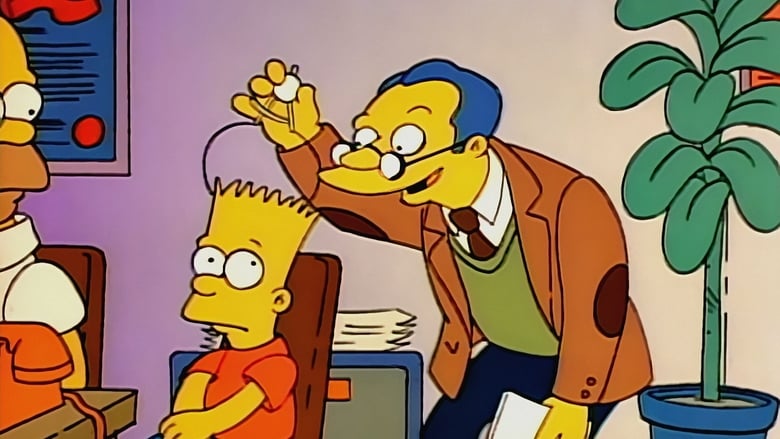
Bart the Genius
Bart's labeled a genius and sent to a school for the gifted.

Homer's Odyssey
After being fired from the nuclear power plant for negligence, Homer becomes a safety activist.

There's No Disgrace Like Home
After seeing families being nice to each other at a company picnic, Homer orders the Simpsons to a family therapist.

Bart the General
Terrorized by the school bully, Bart seeks counsel from Grandpa Simpson, who takes him to a warfare expert for basic training.

Moaning Lisa
The meaning of life and second grade have Lisa playing the blues solo, until she jams with a kindred spirit; Homer seeks tutelage to beat Bart at video boxing.

The Call of the Simpsons
The Simpsons put the wild back in the wilderness when their RV goes over a cliff and Homer and Bart go for help, get lost and lose their clothes.

The Telltale Head
Bart pulls a stunt that shocks the entire town, including the new friends he was trying to impress.

Life on the Fast Lane
Homer's bowling-ball gift "for Marge" prompts her to take up the sport, and maybe also a handsome instructor who offers to teach her "many things."

Homer's Night Out
Shutterbug Bart captures Homer with a sexy entertainer at a bachelor party.

The Crepes of Wrath
A little story about how Bart saves France after blowing up Principal Skinner's mom with a cherry bomb.

Krusty Gets Busted
Bart's TV hero Krusty the Clown is arrested for a convenience-store robbery, and witness Homer must testify against the clown.

Some Enchanted Evening
Homer takes Marge out for a romantic night, leaving the kids with a sitter, who's profiled on "America's Most Armed and Dangerous."
Videos: Trailers, Teasers, Featurettes
Cast

Dan Castellaneta
Homer Simpson / Abe Simpson / Barney Gumble / Krusty (voice)

Julie Kavner
Marge Simpson / Patty Bouvier / Selma Bouvier (voice)
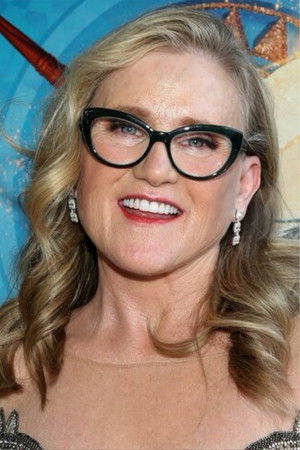
Nancy Cartwright
Bart Simpson / Nelson Muntz / Ralph Wiggum (voice)

Yeardley Smith
Lisa Simpson (voice)

Hank Azaria
Moe Szyslak / Chief Wiggum / Apu / Comic Book Guy / Carl (voice)
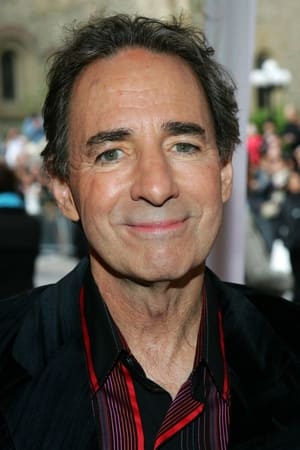
Harry Shearer
Ned Flanders / Mr. Burns / Smithers / Skinner / Lenny (voice)