The Simpsons – Season 10 premiered on August 23, 1998, continuing the narrative of the residents of Springfield during a significant period of creative transition for the series. This installment consists of 23 episodes that saw the program move further into the Mike Scully era, characterized by an increased focus on surrealism and physical comedy. The season maintains the core family dynamics involving Homer, Marge, Bart, Lisa, and Maggie as they encounter various social and personal conflicts.
The season is noted for its high volume of guest appearances and episodes that frequently took the family outside of their domestic setting. From Homer attempting to enter the grease business to a full-scale family vacation to Japan, the writers explored increasingly absurd scenarios. This period of the show is often cited by historians for its shift in comedic timing and the evolution of Homer Simpson into a more erratic and impulsive protagonist compared to the earlier, more grounded seasons.
The Simpsons – Season 10 Plot Summary
The overarching plot of The Simpsons – Season 10 functions as a series of episodic vignettes rather than a single continuous narrative arc. One of the central pillars of the season is the exploration of Homer‘s various career shifts and get-rich-quick schemes. In the premiere episode, “Lard of the Dog,” Homer and Bart attempt to profit by selling used grease, leading to a confrontation with the local school’s groundkeeper. This setup establishes the season’s recurring theme of Homer pursuing misguided entrepreneurial goals.
Another significant plotline involves the family’s interactions with celebrities in “When You Dish Upon a Star,” where they move to a secluded area to assist Alec Baldwin and Kim Basinger. The season concludes with “Thirty Minutes over Tokyo,” a satirical look at international travel and foreign media culture. Throughout these episodes, the writers utilize Springfield as a microcosm to critique 1990s American culture, covering topics such as:
- The commercialization of individual identity in “Homer to the Max.”
- The ethics of technological advancement in “The Wizard of Evergreen Terrace.”
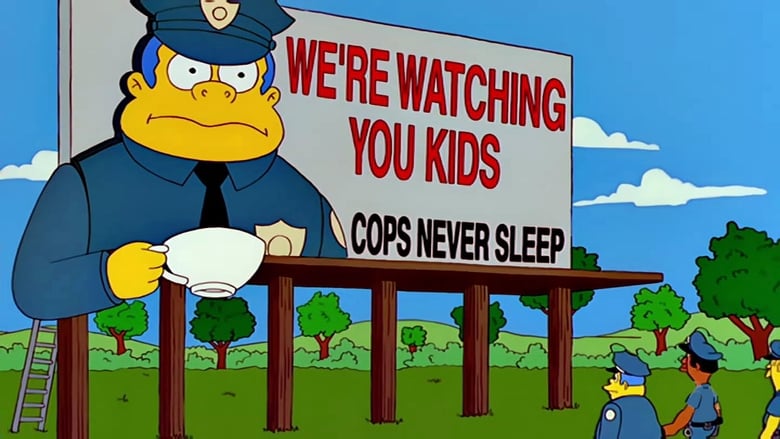
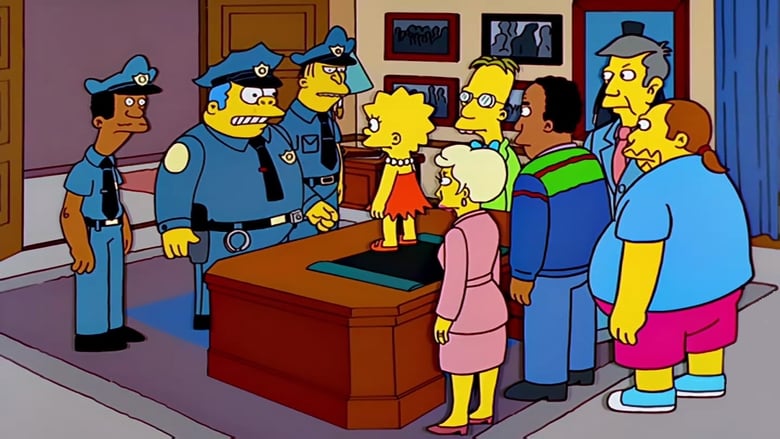
- The breakdown of social order during a youth curfew in “Wild Barts Can’t Be Broken.”
The Evolution of Conflict
Conflict in this season often arises from Homer‘s disregard for social norms. In “Mayored to the Mob,” Homer becomes a bodyguard for Mayor Quimby, exposing the corruption inherent in the Springfield political system. This episode highlights the show’s ability to blend slapstick humor with social commentary regarding local governance and organized crime. The tension between Homer‘s incompetence and his high-stakes responsibilities serves as the primary engine for the season’s humor.
The Simpsons – Season 10 Cast, Characters, and Arc
The voice cast remains led by Dan Castellaneta, who provides the voice for Homer Simpson, Grampa Simpson, and Krusty the Clown. His performance in this season is particularly energetic, reflecting the character’s transition into more physical and vocal outbursts. Julie Kavner continues her role as Marge Simpson, often serving as the stabilizing force when Homer‘s behavior threatens the family’s social standing or financial security.
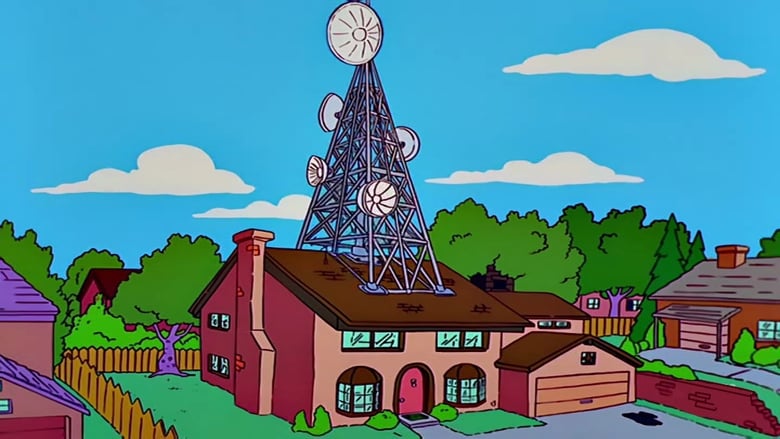
Nancy Cartwright and Yeardley Smith return as Bart and Lisa, respectively. While Bart‘s character maintains his rebellious nature, Lisa‘s arc often deals with the intellectual isolation she feels within her family and school. For example, in “Make Room for Lisa,” the character struggles with the physical intrusion of a cellular transmitter in her bedroom, which serves as a metaphor for her lack of personal space and autonomy. Hank Azaria and Harry Shearer provide the voices for the vast majority of the supporting cast, including Apu, Chief Wiggum, and Ned Flanders.
Character Archetypes and Shifts
This season solidified the “Jerkass Homer” archetype, where the patriarch acts with a level of assertiveness and selfishness that was less prevalent in the show’s first six years. This shift changed the internal dynamics of the Simpson household:
- Marge became more frequently reactive to Homer‘s chaos rather than being an equal partner in the plot.
- Bart and Lisa often found themselves teaming up to resolve the messes created by their father.
- Supporting characters like Ned Flanders were used more frequently to highlight Homer‘s erratic behavior through contrast.
How The Simpsons – Season 10 Fits the Series
The Simpsons – Season 10 is positioned at the beginning of the “Scully Era,” a period defined by executive producer Mike Scully. This era is historically significant because it marked the transition from the show’s “Golden Age” into a more gag-heavy, fast-paced format. While early seasons focused on emotional resonance and family realism, Season 10 prioritized high-concept plots and celebrity guest stars to maintain ratings in an increasingly competitive television landscape.
Technically, the season reflects the peak of traditional cel animation before the series eventually moved toward digital ink and paint. The visual style is vibrant and fluid, supporting the more slapstick-oriented writing. It also represents the final full season of the 1990s, capturing the cultural anxieties and trends of the late 20th century, such as the rise of celebrity obsession and the early influence of the internet.
Where to Watch The Simpsons – Season 10
For viewers looking to revisit this specific era of television history, The Simpsons – Season 10 is widely available on major digital platforms. The primary home for the series is Disney Plus, which hosts the episodes in both their original 4:3 aspect ratio and a remastered 16:9 format. Additionally, the season can be purchased through the Apple TV Store, Amazon Video, and Google Play Movies. Syndicated reruns also continue to air on the FXX network and its associated streaming app, FXNow.
Why You Should Watch The Simpsons – Season 10
The Simpsons – Season 10 offers a unique look at the series as it pushed the boundaries of its own internal logic. It contains several of the most iconic episodes of the late 90s, featuring a relentless pace of jokes and high-profile cameos from stars like Mark Hamill and George Takei. For fans of fast-paced animation and surreal comedy, this season provides some of the most memorable visual gags in the franchise’s history.
Is The Simpsons – Season 10 Safe to Watch? (Age Rating Guide)
Official age rating not available.
Browse more curated picks in The Simpsons and TV Shows.
For verified credits, release details, or official resources, visit IMDb and Official Site.
| Director | Not available |
|---|---|
| Main Cast | Dan Castellaneta, Julie Kavner, Nancy Cartwright, Yeardley Smith, Hank Azaria |
| Release Year | 1998 |
| Genre | Animation, Comedy, Family |
Frequently Asked Questions
When was The Simpsons – Season 10 released?
The Simpsons – Season 10 was released on August 23, 1998.
What is The Simpsons – Season 10 about?
The overarching plot of The Simpsons – Season 10 functions as a series of episodic vignettes rather than a single continuous narrative arc. One of the central pillars of the season is the exploration of Homer's various career shifts and get-rich-quick schemes.
Where can I watch The Simpsons – Season 10?
The Simpsons – Season 10 is available on Amazon Video, Apple TV, and Disney+.