The Simpsons – Season 13 premiered on November 6, 2001, marking the formal return of Al Jean as the solo executive producer and showrunner. This transition followed the departure of Mike Scully and initiated a long-term strategy to refocus the series on character logic and grounded domesticity. The season contains 22 episodes that balance traditional Springfield dynamics with sharp satirical critiques of early-2000s social trends and political shifts.
The narrative structure of this season is defined by a move away from the surrealist, often disconnected plots of the late 1990s. Instead, the writers prioritized permanent changes to the show’s status quo and a more nuanced exploration of secondary characters. Central arcs include Homer Simpson‘s evolving relationship with his family, Lisa Simpson‘s spiritual independence, and Apu‘s marital struggles, all framed within the increasing technical refinement of Film Roman‘s animation style.
Why You Should Watch The Simpsons – Season 13
This season serves as a critical bridge between the experimental “Scully era” and the modernized, serialized feel of the show’s later years. By reinstating Al Jean, the production sought to recapture the emotional core that defined the show’s early 1990s peak. The resulting episodes offer a clinical but effective deconstruction of American family life during a period of significant national cultural anxiety.
One of the season’s primary strengths is its willingness to allow for genuine character growth that persists beyond a single episode. This era of the series demonstrated a high degree of confidence in its established history, frequently referencing past events to provide depth to current conflicts. The writing staff successfully integrated Richard Gere, Stan Lee, and Mick Jagger into roles that functioned as structural components of the plot rather than superficial cameos.
The Evolution of Lisa Simpson and Moral Autonomy
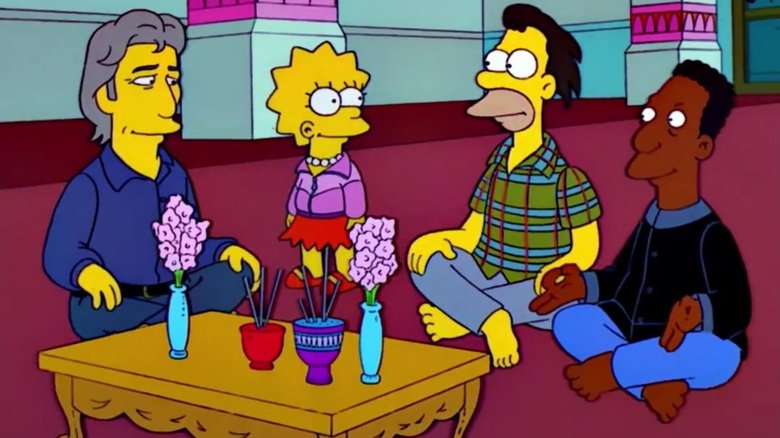
In the episode “She of Little Faith,” Lisa Simpson experiences a profound spiritual crisis that leads to her conversion to Buddhism. Unlike many situational changes in animated sitcoms, this development remained part of her character identity for the remainder of the series. This arc represents a sophisticated handling of religious plurality and personal identity in a mainstream medium, grounded by a guest appearance by Richard Gere.
This shift highlighted Lisa‘s role as the moral conscience of the family, often placing her at odds with the town’s traditional institutions. The episode meticulously explores the conflict between Lisa and Homer as they navigate their differing belief systems. This focus on internal familial friction provided a more stable narrative foundation than the purely high-concept episodes of the preceding seasons.
Satirical Analysis of Judicial and Medical Institutions
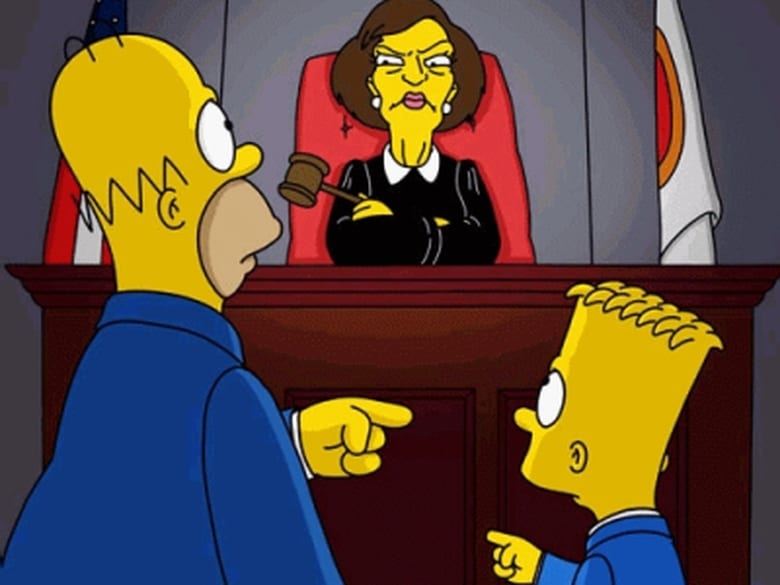
Season 13 provides a dry, often cold analysis of American institutional failures through episodes like “The Parent Rap” and “Weekend at Burnsie’s.” In “The Parent Rap,” the show critiques the punitive nature of the judicial system through the character of Judge Harm. The episode examines how arbitrary legal mandates can disrupt family units, utilizing a harsh satirical tone to highlight systemic rigidity.
Similarly, “Weekend at Burnsie’s” addresses the early-2000s debates surrounding medical cannabis. The narrative follows Homer as he uses the substance to treat a glaucoma-related injury, providing a clinical look at both the medical benefits and the social stigmas associated with the drug. The humor remains focused on the bureaucratic absurdity of the legal landscape rather than relying on standard tropes of the genre.
Production Context and Digital Transitions
The technical aspects of The Simpsons – Season 13 reflect the industry’s shift toward digital production pipelines. While the season still retains the tactile quality of cel-influenced animation, the visual palette is noticeably cleaner and the character models more consistent. This era saw the refining of the show’s visual language to support more complex background detail and cinematic lighting effects.
- Executive Influence: Al Jean‘s return emphasized a return to “three-act” structures and more logical character motivations.
- Global Controversy: The episode “Blame It on Lisa” caused significant diplomatic tension with Brazil over its portrayal of Rio de Janeiro.
- Status Quo Shifts: “The Sweetest Apu” introduced long-term consequences for Apu‘s infidelity, altering his domestic dynamic with Manjula.
- Digital Refinement: The season exhibits improved color grading and sharper linework compared to the Season 10-12 transition period.
The season also features “I Am Furious (Yellow),” which satirizes the dot-com boom and the emerging internet culture of the time. By centering the story on Bart Simpson creating a web-series based on Homer, the show accurately predicted the rise of viral content and digital intellectual property. This specific episode serves as a time capsule for the early digital age and the commercialization of the web.
Reception and Critical Standing
Critically, Season 13 is often viewed as a stabilizing force for the franchise. It successfully mitigated the “wacky” reputation of the previous era while maintaining the satirical edge necessary for relevance. The season earned multiple Emmy Award nominations, particularly for its writing and voice acting performances by Dan Castellaneta and Hank Azaria. The focus on grounded storytelling allowed the show to maintain its dominance in the Sunday night television block.
Age Rating: TV-PG. Official Reason: Suggestive dialogue, infrequent coarse language, and mild cartoon violence.
Browse more curated picks in The Simpsons and TV Shows.
For verified credits, release details, or official resources, visit IMDb and Official Site.
Is The Simpsons – Season 13 Safe to Watch? (Age Rating Guide)
Official age rating not available.
| Director | Not available |
|---|---|
| Main Cast | Dan Castellaneta, Julie Kavner, Nancy Cartwright, Yeardley Smith, Hank Azaria |
| Release Year | 2001 |
| Genre | Animation, Comedy, Family |
Frequently Asked Questions
When was The Simpsons – Season 13 released?
The Simpsons – Season 13 was released on November 6, 2001.
What is The Simpsons – Season 13 about?
The Simpsons – Season 13 is available on Flixr.
Where can I watch The Simpsons – Season 13?
The Simpsons – Season 13 is available on Amazon Video, Apple TV, and Disney+.
Episode guide

Treehouse of Horror XII
In the twelfth Treehouse of Horror episode: Hex and the City – While on a day trip through Ethnictown, Homer's bumbling catches the ire of a gypsy, who curses Homer's family and friends into receiving nothing but bad luck. House of Whacks – in this mixed parody of Demon Seed and 2001: A Space Odyssey, Marge buys an automated house and customizes it with the Pierce Brosnan personality, who falls for Marge and attempts to murder Homer. Wiz Kids – In this Harry Potter parody, Bart and Lisa go to a school for wizards, and Lord Montemort (Mr. Burns) uses Bart to capture Lisa's magic. Guest star: Pierce Brosnan and Matthew Perry.[20]
The Parent Rap
Bart gets in trouble for joyriding in a police car, but feels confident he will be let off by Judge Snyder. However, Snyder goes on vacation before ruling his verdict and is replaced with a coldhearted judge named Constance Harm. She accuses Homer of being a negligent father and sentences him to be tethered to Bart. The two are against it at first but later start to bond. Marge however is unable to take anymore of it and slices the tether off of them both. Homer and Marge then go after Judge Harm only to end up sinking her houseboat. Eventually Bart decides to take punishment and is about to be sentenced to 5 year in juvenile hall, only though Judge Snyder returns and dismisses Harm.
Homer the Moe
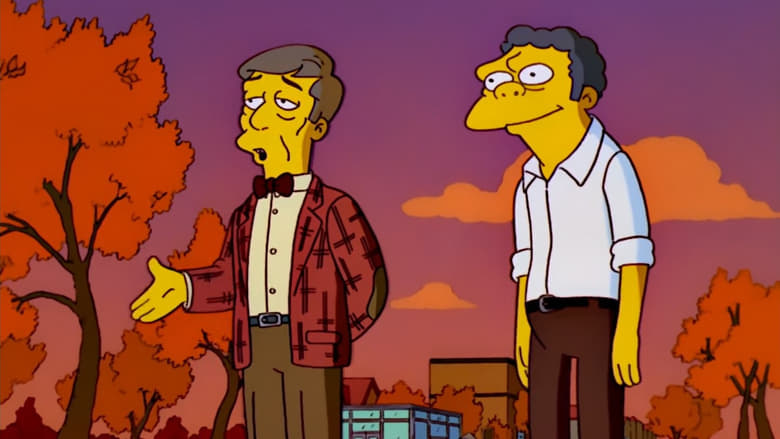
Moe becomes depressed and decides to return to bartending school so he can re-evaluate himself. He meets an old teacher, who suggests that Moe try improving his bar, which might make him happier. Moe takes the advice, and turns his bar into a trendy nightclub, which does not sit well with his regular customers Homer, Lenny, Carl, and Barney.

A Hunka Hunka Burns in Love
Homer becomes a fortune cookie writer for a Chinatown restaurant. Mr. Burns reads one of Homer's fortunes, which says that the reader will find love before Flag Day is over. Burns goes searching for love and meets Gloria, a meter maid, and asks her out. Gloria reluctantly agrees, and Burns recruits Homer to help him look young and hip to his new girlfriend.

The Blunder Years
After tricking Marge into thinking an advertising spokesman is coming to visit her, Homer takes Marge and the rest of the family to a restaurant. A hypnotist uses his powers on Homer, and makes him remember a horrific childhood incident where Homer found a dead body in a ravine. The Simpson family decides to investigate this and find out where the body came from.
She of Little Faith
After Homer and Bart's model rocket damages the church, Mr. Burns makes a deal to commercialize the church in return for paying for the damages. Lisa becomes disgusted at what the church has become, so she decides to find a new religion suitable for her. She eventually converts to Buddhism, causing Marge to fear for Lisa's soul.
Brawl in the Family
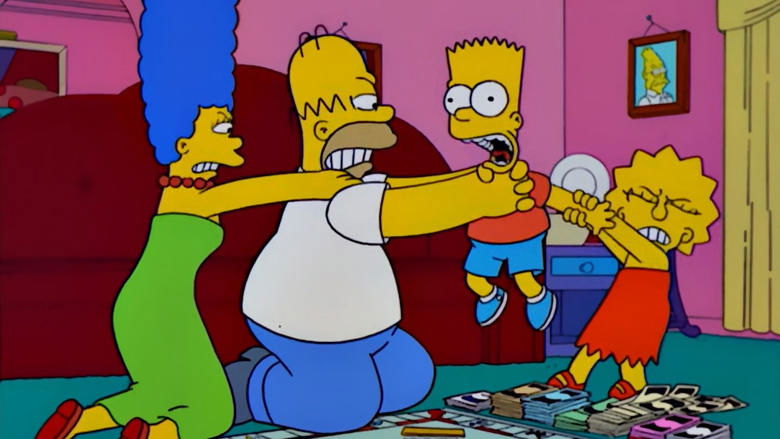
A social worker is assigned to make the Simpson family functional after they get arrested for fighting while playing Monopoly. He helps them learn how to work together and function as a family. The moment is ruined when, Ginger and Amber, the barmaids who married Homer and Flanders while they were drunk in "Viva Ned Flanders", arrive at the Simpsons' home, which outrages Marge.

Sweets and Sour Marge
Springfield is officially declared the World's Fattest Town after an attempt to break a world record lands everyone on top of a truck scale. Out of embarrassment and disgust, Marge goes on a crusade against the local sugar corporation. However, when sugar is banned, Homer, Bart, Mr. Burns and Apu start bootlegging sugar.

Jaws Wired Shut
A jaw injury from colliding with a new town statue turns Homer into a better listener while recuperating with his jaws wired shut, but once the wires come off, Homer does not go back to being loud and obnoxious and Marge becomes starved for thrills.

Half-Decent Proposal
Homer develops a snoring problem, so Marge decides to spend a night with her sisters Patty and Selma. After a night of drinking, Marge sees a news report about her ex-prom date Artie Ziff, who is now very wealthy, and decides to send him an e-mail. Artie is still obsessed with Marge, so he offers the Simpsons $1 million in exchange for Marge spending a weekend with him.

The Bart Wants What It Wants
Bart befriends Rainer Wolfcastle's daughter Greta. She has a crush on Bart, but he does not seem to realize it and eventually stops seeing her. Seeking revenge, Greta begins dating Bart's best friend Milhouse, which causes Bart to start missing her. She leaves for Toronto with her father, and Bart convinces his family to follow them there.
The Lastest Gun in the West
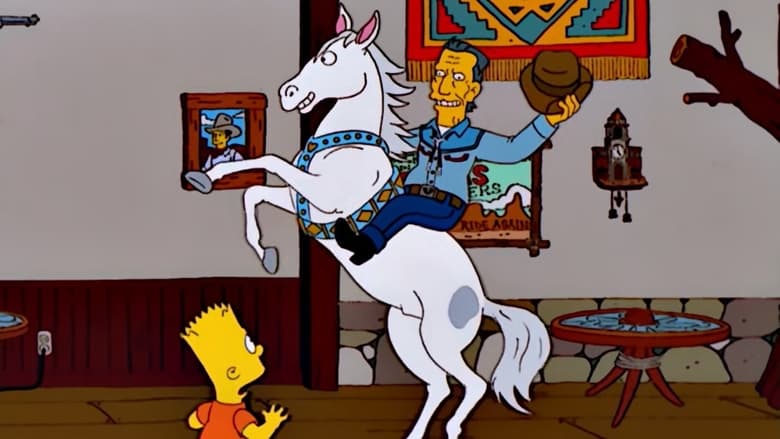
While running away from a vicious dog, Bart meets Buck McCoy, a former Western film star. Bart begins hanging out with him and starts to idolize him. Bart wants to help McCoy stage a comeback, so he convinces all of the kids in town to become interested in the Wild West. McCoy appears on the Krusty the Clown Show, but the comeback flops when Buck begins drinking again and injures Krusty the Clown.

The Old Man and the Key
Grampa falls in love with Zelda, a woman who has an interest in men who can drive. He decides to get his driver's license back, but is ignorant to Homer and Marge's concerns that she is only using him for his car.

Tales from the Public Domain
When Homer gets a notice from the library that he has a book of classic tales that is years overdue, he finds it on the shelf and reads three stories: The Odyssey (where Homer and his bar buddies try to get home after fighting the Trojans), Joan of Arc (where Lisa leads the French against the English with the help of God), and Hamlet (where Bart tries to kill Moe after Moe kills Homer in order to marry Marge).

Blame It on Lisa
When Homer gets the family's telephone service cut off for refusing to pay for calls made to Rio de Janeiro, Brazil, Lisa confesses that she was the one who called Rio after sponsoring an orphan who goes missing. She convinces the family to travel to Brazil to look for him. However, once there, they have no luck finding him, and Homer is kidnapped.
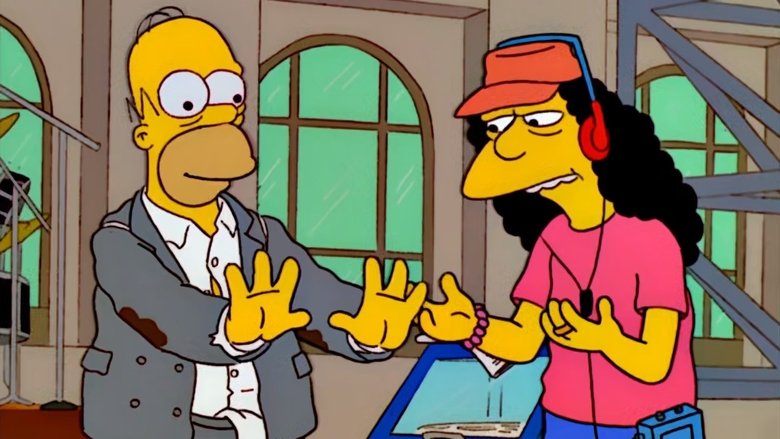
Weekend at Burnsie's
Homer is prescribed medicinal marijuana after getting pecked in the eyes by a murder of crows. While his family and friends worry about the drug altering his personality, Homer becomes Mr. Burns's vice president after cracking up at Burns's antiquated jokes.
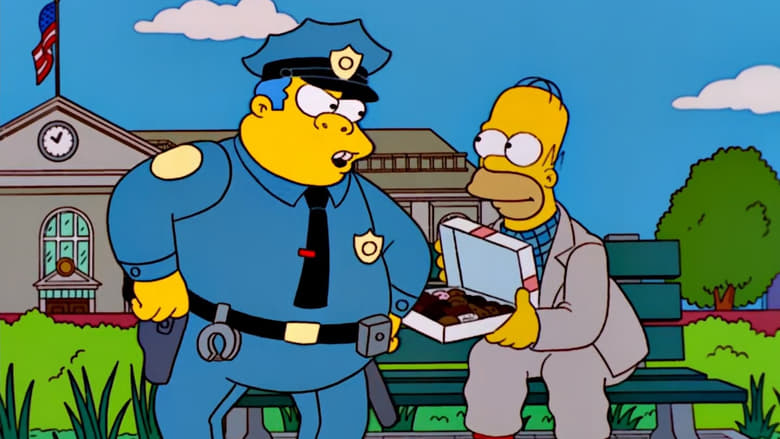
Gump Roast
In this clip show episode, Homer is honored at a Friars' Club Roast. A number of characters show up to roast him, but the celebrating is interrupted by Kang and Kodos, who say that humanity will be judged based on Homer's experiences.
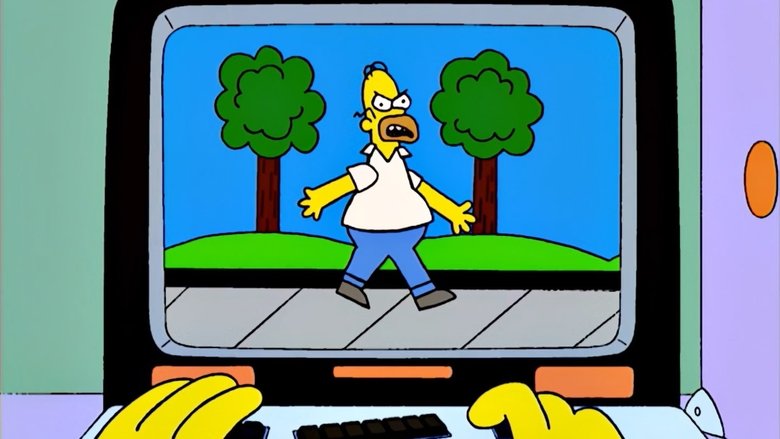
I Am Furious (Yellow)
Inspired by a cartoonist who speaks at the school as part of a career day assembly, Bart creates a comic book series based on Homer and his anger problems, which turns into a popular Internet cartoon series called Angry Dad. Homer finds out about this and is at first outraged, but after talking to his family, he decides to try to become a less angry person.

The Sweetest Apu
Homer and Marge discover that Apu is having an affair with the Squishee delivery lady at the Kwik-E-Mart. They decide to keep Apu's wife Manjula from finding out about it. However, she eventually learns of Apu's affair by watching store security tapes. She throws Apu out of the house and decides to file for divorce, but soon realizes that she misses him.

Little Girl in the Big Ten
Lisa tries to fit in with two college students by lying about her age. She finds that the college atmosphere is perfect for her, but her lie is soon discovered and she is shunned by her fellow elementary school students. Meanwhile, Bart is diagnosed with a weakened immune system after getting bitten by a Chinese mosquito and must live in a plastic, germ-free bubble.

The Frying Game
While faced with community service for abusing an endangered insect, Homer begins assisting an elderly woman named Mrs. Bellamy. One night, Mrs. Bellamy is murdered, and Homer and Marge are accused of committing the crime.

Poppa's Got a Brand New Badge
Homer starts a security company with Lenny and Carl after the police are ineffective during a blackout, and eventually Mayor Quimby decides to have them replace the police. Homer finds that he excels at the job, but then he runs afoul of mob boss Fat Tony, who threatens Homer with death unless he leaves town.
Videos: Trailers, Teasers, Featurettes
Cast

Dan Castellaneta
Homer Simpson / Abe Simpson / Barney Gumble / Krusty (voice)

Julie Kavner
Marge Simpson / Patty Bouvier / Selma Bouvier (voice)

Nancy Cartwright
Bart Simpson / Nelson Muntz / Ralph Wiggum (voice)

Yeardley Smith
Lisa Simpson (voice)

Hank Azaria
Moe Szyslak / Chief Wiggum / Apu / Comic Book Guy / Carl (voice)

Harry Shearer
Ned Flanders / Mr. Burns / Smithers / Skinner / Lenny (voice)