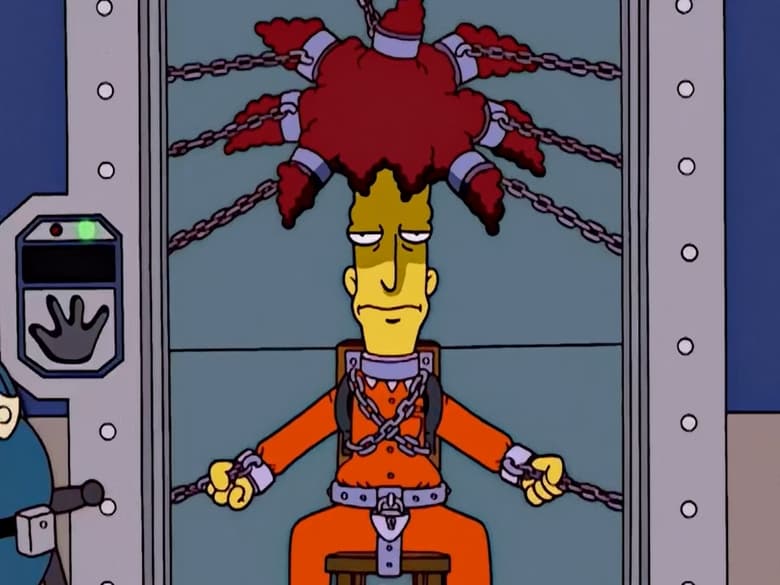
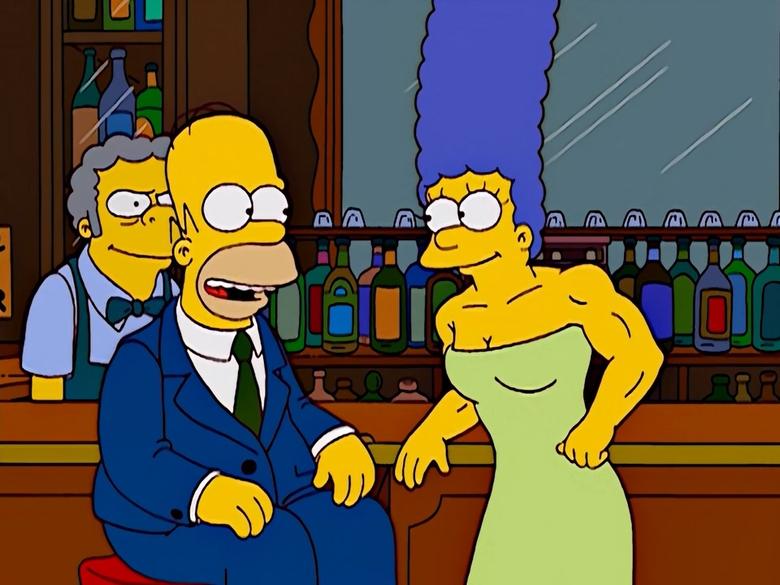
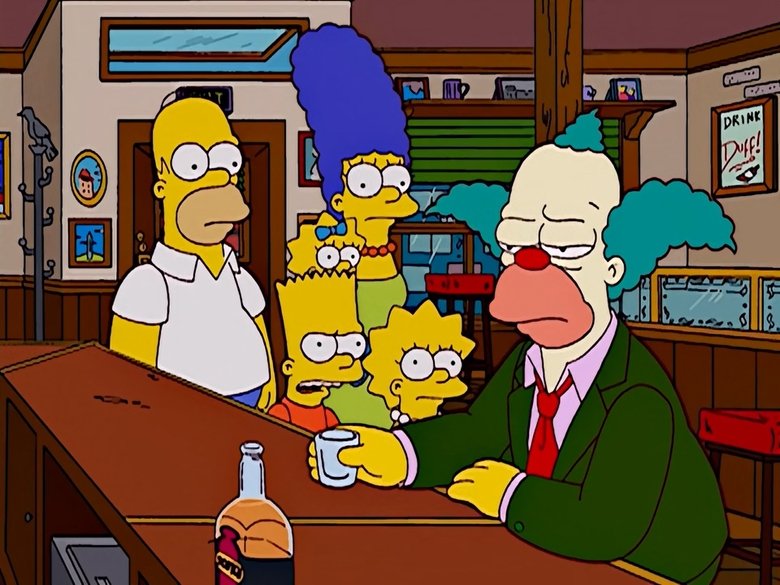
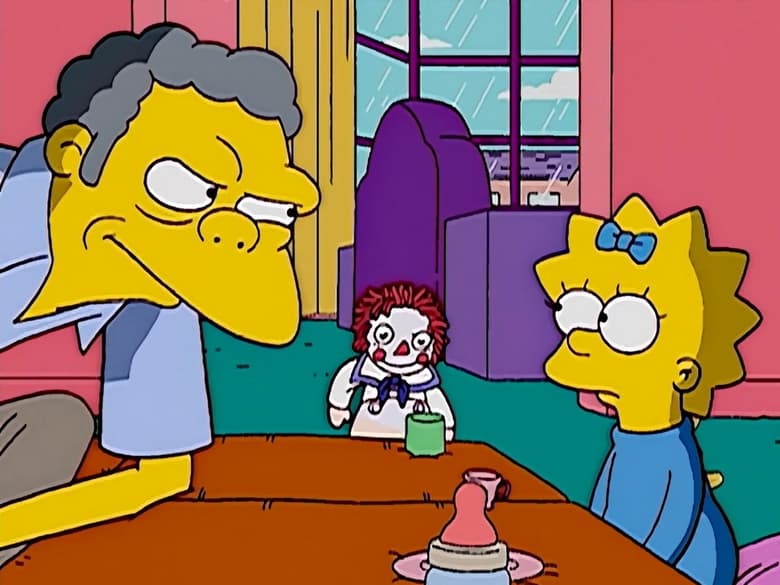
The Simpsons – Season 14 arrived during a transitional period for the long-running animated series on Fox. This collection of 22 episodes originally aired between November 3, 2002, and May 22, 2003. This season followed the Simpson family as they navigated life in Springfield under the guidance of showrunner Al Jean. The season maintained its focus on satirical comedy while introducing significant technical changes to the animation process that altered the visual style of the show for subsequent years.
During this season, the central conflicts involved Homer Simpson (voiced by Dan Castellaneta) taking on various new jobs and hobbies, while Marge (voiced by Julie Kavner) faced her own personal crises. Bart (voiced by Nancy Cartwright) and Lisa (voiced by Yeardley Smith) continued their academic and social struggles, often reflecting the changing cultural landscape of the early 2000s. The season featured a large roster of guest stars, including musicians and actors, who played either themselves or new characters within the Springfield universe. You can explore more about the franchise on the The Simpsons page.
Is The Simpsons – Season 14 Safe to Watch? (Age Rating Guide)
Official age rating not available.
Why You Should Watch The Simpsons – Season 14
The Simpsons – Season 14 provided a blend of traditional situational comedy and experimental plotlines that expanded the history of Springfield. It stayed away from the more grounded storytelling of earlier years and embraced a more absurdist tone. This season is notable for its use of high-profile guest stars and its willingness to change the status quo for secondary characters like Moe Szyslak and Ned Flanders. It is a key entry for viewers tracking the evolution of the Fox animation block.
The Evolution of Animation Style
One of the most significant aspects of this season was the permanent shift from traditional cel animation to digital ink and paint. The transition began with the episode “The Great Louse Detective.” This change allowed for a cleaner look and more vibrant colors. It also streamlined the production process, making it easier for the animators to manage the complex visual gags that the show was known for. The digital transition was a major milestone in the history of TV Shows at the time.
The sharper lines and more consistent lighting were immediately noticeable to long-term viewers. While some fans preferred the organic feel of the hand-painted cels, the digital move was necessary to keep up with industry standards. This season served as the testing ground for these new techniques. It showed that the series could maintain its character designs while using modern technology to improve the overall broadcast quality. The change also allowed for more ambitious camera movements and layered backgrounds in the Springfield environment.
Character Developments and Story Arcs
The writing staff used this season to explore the internal motivations of the main cast members. In the episode “Three Gays of the Condo,” Homer moved out of the family home after finding an old letter from Marge. This story looked at the early days of their marriage and questioned the stability of their relationship. It showed a more vulnerable side of Homer that was often hidden behind his physical comedy. The conflict was resolved, but it added another layer to their long-term history.
Secondary characters also received significant screen time. Moe Szyslak found a new sense of purpose in “Moe Baby Blues” when he saved Maggie Simpson. This episode explored the theme of loneliness and the need for human connection. It moved Moe away from his usual role as a comedic foil and gave him a more sympathetic motivation. These types of episodes helped humanize the citizens of Springfield beyond their basic archetypes. The season balanced these character studies with the usual satirical look at American institutions like the government and the media.
Guest Star Integration
The season was heavily marketed based on its impressive list of guest stars. In “How I Spent My Strummer Vacation,” several rock legends appeared, including Mick Jagger, Keith Richards, Tom Petty, and Elvis Costello. The plot followed Homer as he attended a rock and roll fantasy camp. Instead of just making quick cameos, these celebrities were central to the plot of the episode. This was a common trend in Season 14, where guest stars were used to drive the narrative forward.
Other notable appearances included Tony Hawk in “Barting Over,” where Bart moved out of the house after discovering he was used in a commercial as a baby. The episode parodied extreme sports culture and the legal rights of children. Jane Kaczmarek returned as Judge Constance Harm, continuing her role as a foil for the Simpson family’s legal troubles. The inclusion of these figures helped the show stay relevant in the fast-moving celebrity culture of the early 2000s. Each guest star brought a different energy to the episodes, often highlighting the contrast between the ordinary lives of the Simpsons and the world of fame.
For verified credits, release details, or official resources, visit IMDb and Official Site.
| Director | Not available |
|---|---|
| Main Cast | Dan Castellaneta, Julie Kavner, Nancy Cartwright, Yeardley Smith, Hank Azaria |
| Release Year | 2002 |
| Genre | Animation, Comedy, Family |
Frequently Asked Questions
When was The Simpsons – Season 14 released?
The Simpsons – Season 14 was released on November 3, 2002.
What is The Simpsons – Season 14 about?
The Simpsons – Season 14 arrived during a transitional period for the long-running animated series on Fox. This collection of 22 episodes originally aired between November 3, 2002, and May 22, 2003. This season followed the Simpson family as they navigated life in Springfield under the guidance of showrunner Al Jean.
Where can I watch The Simpsons – Season 14?
The Simpsons – Season 14 is available on Amazon Video, Apple TV, and Disney+.