The Simpsons – Season 16 premiered on November 7, 2004, representing a pivotal era in the series’ mid-2000s trajectory. Under the management of showrunner Al Jean, the season consists of 21 episodes that balance domestic sitcom tropes with increasingly satirical takes on contemporary American institutions. This period is characterized by a reliance on celebrity guest talent and a more pronounced shift toward topical humor, addressing then-current events like the rise of reality television and pharmaceutical over-medication.
The season navigates the internal family dynamics of the Simpson household while expanding the narrative focus to the broader Springfield community. Major plot points include Homer‘s venture into various short-lived careers, Lisa‘s pursuit of intellectual and musical recognition, and Bart‘s navigation of school-based social hierarchies. The production utilizes a dry, observational tone to deconstruct the friction between traditional family values and the evolving societal norms of the early 21st century.
Why You Should Watch The Simpsons – Season 16
The Simpsons – Season 16 offers a distinct look at the show’s evolution during a time of significant cultural change. One of the primary motivations for viewing this season is its experimentation with non-traditional narrative formats. Episodes like “Future-Drama” provide a glimpse into an alternate timeline where Bart and Lisa are teenagers, allowing the writers to explore character motivations beyond the constraints of the series’ permanent timeline. This specific episode serves as a thematic successor to earlier “future” episodes, utilizing Professor Frink‘s technology to project the consequences of the characters’ current choices.
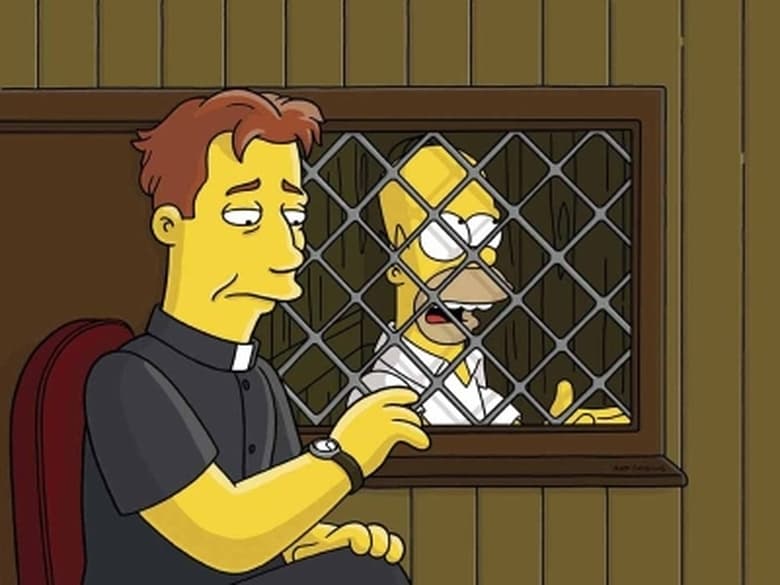
The season is also notable for its sharp critique of social and religious institutions. In the season finale, “The Father, the Son, and the Holy Guest Star”, the narrative explores the tensions between Catholicism and Protestantism when Bart is enrolled in a private Catholic school. The inclusion of guest star Liam Neeson as Father Sean facilitates a dialogue on religious conversion and the rigidity of Reverend Lovejoy‘s ministry. This episode is historically significant for its production delay following the death of Pope John Paul II, highlighting the show’s intersection with real-world events.
From a technical perspective, the season represents the peak of the digital ink-and-paint era, providing a consistent visual clarity before the transition to high-definition widescreen. The “Treehouse of Horror XV” anthology demonstrates this visual versatility, moving from the foggy atmosphere of Victorian London in a Jack the Ripper parody to the internal biological structures of Mr. Burns. The use of specialized color palettes and detailed background art in these segments illustrates the animation team’s ability to maintain high production values despite the show’s long-standing broadcast schedule.
Thematic Focus on Media and Celebrity Culture
A recurring theme throughout Season 16 is the influence of media on individual behavior and family units. In “A Star Is Torn”, the series parodies the American Idol phenomenon, placing Lisa in a singing competition that tests her integrity and Homer‘s parental boundaries. The episode serves as a cold analysis of the entertainment industry’s exploitative nature, emphasizing how personal ambition can often override familial loyalty. Homer‘s transition from supportive father to overbearing manager reflects a broader commentary on the stage-parent dynamic prevalent in mid-2000s media.
Detailed Analysis of Character Arcs
Character development in this season often centers on health and social responsibility. The episode “The Heartbroke Kid” focuses on Bart‘s physical health after the installation of vending machines at Springfield Elementary. The narrative avoids sentimentality, instead focusing on the factual impact of corporate food choices on childhood development. The introduction of Tab Spangler, voiced by Albert Brooks, provides a catalyst for Bart‘s behavioral correction, showcasing the series’ ability to handle complex topics like obesity through a satirical lens.
Additionally, Marge‘s personal agency is examined in episodes such as “Mommie Beerest” and “Mobile Homer”. These stories highlight the financial and emotional stressors that affect the Simpson marriage. In “Mobile Homer”, the conflict arises from Homer‘s impulsive purchase of a recreational vehicle using family savings, leading to a temporary separation. This focus on realistic domestic disputes provides a grounded counterpoint to the more absurd elements of the season, such as Homer becoming a vigilante in “Homer and Ned’s Hail Mary Pass”.
Social and Political Satire
The season does not shy away from political and legal commentary. “There’s Something About Marrying” addresses the legalization of same-sex marriage in Springfield to boost tourism. The episode focuses on the character Patty Bouvier, providing a significant development for her character while critiquing Mayor Quimby‘s opportunistic governance. The narrative explores Marge‘s initial resistance and eventual acceptance, serving as a reflection of the evolving social attitudes regarding domestic partnerships during the period of the show’s original broadcast.
- Technological impact: The season examines the early influence of internet culture and digital communication on the town’s social fabric.
- Economic shifts: Episodes like “Goo Goo Gai Pan” explore globalization as the family travels to China to facilitate an adoption for Selma.
- Guest Integration: Figures such as 50 Cent, Ray Romano, and Stephen Hawking appear not just as cameos but as active participants in the episode’s central conflicts.
Is The Simpsons – Season 16 Safe to Watch? (Age Rating Guide)
Official age rating not available.
Browse more curated picks in The Simpsons and TV Shows.
For verified credits, release details, or official resources, visit IMDb and Official Site.
| Director | Not available |
|---|---|
| Main Cast | Dan Castellaneta, Julie Kavner, Nancy Cartwright, Yeardley Smith, Hank Azaria |
| Release Year | 2004 |
| Genre | Animation, Comedy, Family |
Frequently Asked Questions
When was The Simpsons – Season 16 released?
The Simpsons – Season 16 was released on November 7, 2004.
What is The Simpsons – Season 16 about?
The Simpsons – Season 16 premiered on November 7, 2004, representing a pivotal era in the series' mid-2000s trajectory. Under the management of showrunner Al Jean, the season consists of 21 episodes that balance domestic sitcom tropes with increasingly satirical takes on contemporary American institutions.
Where can I watch The Simpsons – Season 16?
The Simpsons – Season 16 is available on Amazon Video, Apple TV, and Disney+.