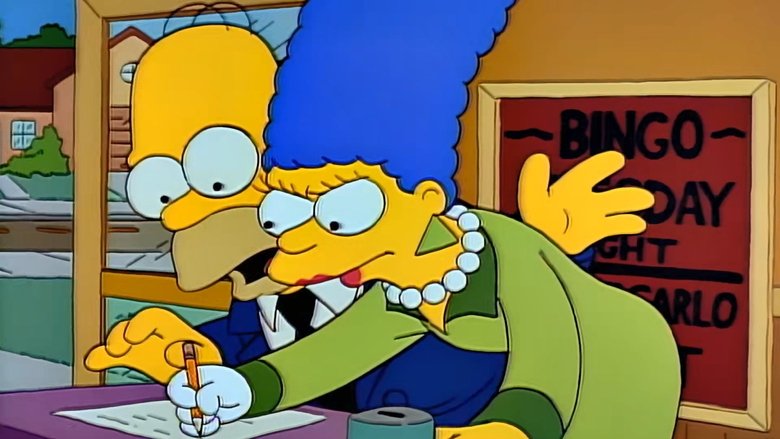
The Simpsons – Season 2 premiered on October 11, 1990, on Fox. This installment marked the period when the series transitioned from a niche hit to a global cultural phenomenon. The production team moved the show to Thursday nights to compete directly with established television hits. This move showed the network’s confidence in the animated family and helped solidify its presence in the primetime lineup. The season expanded on the foundations of the first year by refining the animation style and deepening the personalities of the core family members. Homer Simpson, Marge Simpson, Bart Simpson, Lisa Simpson, and Maggie faced a variety of domestic and social challenges throughout the twenty-two episodes.
The season started with the episode “Bart Gets an ‘F'”, which remains one of the highest-rated episodes in the history of the series. The plot focused on Bart attempting to pass a history test to avoid repeating the fourth grade. It set a tone for the season that balanced humor with grounded, relatable struggles. Unlike the first season, which often focused heavily on Bart’s mischief, Season 2 began to explore the inner lives of other characters. Lisa dealt with her first crush and intellectual isolation, while Homer struggled with his career at the Springfield Nuclear Power Plant and his responsibilities as a father. This era also introduced the first “Treehouse of Horror” special, establishing a yearly tradition of non-canonical anthology stories.
Why You Should Watch The Simpsons – Season 2
The Simpsons – Season 2 is essential viewing because it established the structural template that the show followed for decades. The writing staff, which included talents like Al Jean, Mike Reiss, and Sam Simon, began to move away from simple gag-based comedy toward character-driven storytelling. The episodes in this season used a more consistent internal logic, allowing the audience to care about the outcomes of the family’s conflicts. The animation, handled by Klasky Csupo, showed visible improvement in fluidity and character design compared to the pilot year. This season also began to populate the town of Springfield with a more diverse and recurring group of citizens.
The addition of guest stars became a hallmark of the series during this period. Actors such as Danny DeVito, who voiced Homer’s half-brother Herb Powell, and Dustin Hoffman, who voiced Mr. Bergstrom, brought a new level of prestige to the production. These guest roles were not just cameos; they were integral to the plot and provided emotional weight to the stories. For example, the episode “Lisa’s Substitute” is often cited by critics and viewers as one of the most emotional entries in the The Simpsons franchise. It showcased the bond between Lisa and a mentor figure, highlighting the show’s ability to handle sensitive topics without losing its comedic edge.
This season also introduced several iconic recurring characters who became staples of the series. Mayor Quimby, Dr. Hibbert, and Lionel Hutz made their first appearances, adding layers to the social fabric of Springfield. The season examined themes of corporate greed, family loyalty, and the frustrations of the American middle class. By watching this season, viewers can see the exact moment the show found its voice and began to master the art of the animated sitcom. It remains a foundational piece of TV Shows history from the early 1990s.
The Evolution of Homer and Marge
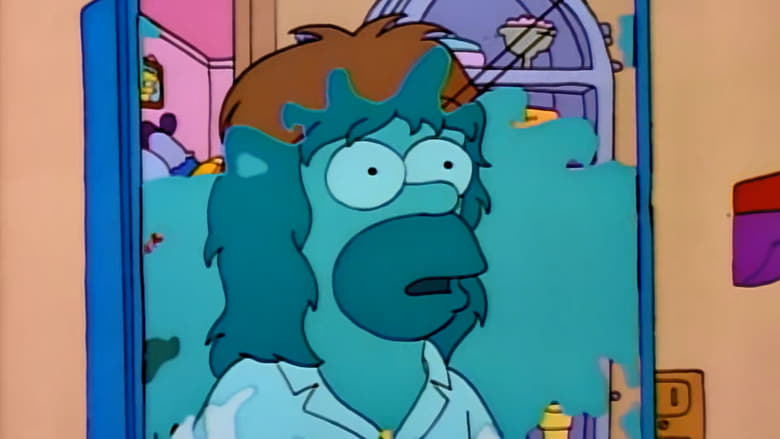
Season 2 saw a significant shift in how Homer Simpson was portrayed. In earlier episodes, he was often depicted as a more traditional, angry father figure. During this season, his character became more defined by his buffoonery and his love for his family. In “Simpson and Delilah”, Homer gained a full head of hair and found temporary success in his job, only to lose it all. This episode highlighted his vulnerability and the importance of Marge as his support system. Their relationship was further explored in “The Way We Was”, a flashback episode that detailed how they met in high school in 1974.
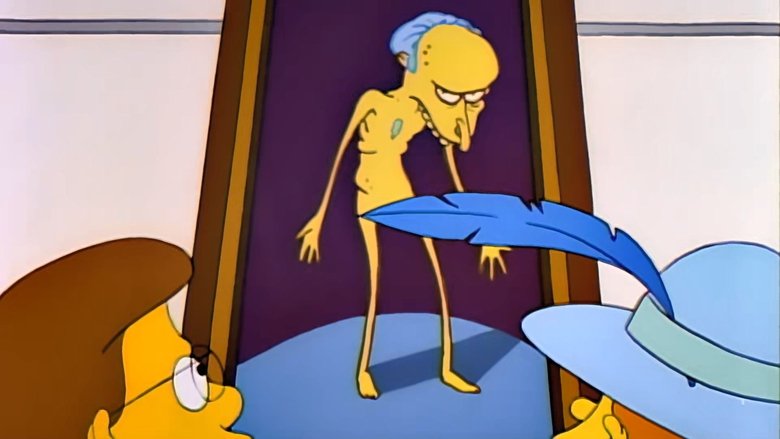
Marge Simpson also received more focused storylines that moved beyond her role as a housewife. In “Brush with Greatness”, she returned to her passion for painting and was commissioned to paint a portrait of Mr. Burns. This subplot allowed the show to examine her individual aspirations and the compromises she made for her family. The season consistently showed her as the moral compass of the household, often navigating the chaos created by Homer and Bart. Her character provided the emotional anchor that kept the show grounded even as the humor became more absurdist.
Memorable Secondary Characters and Springfield
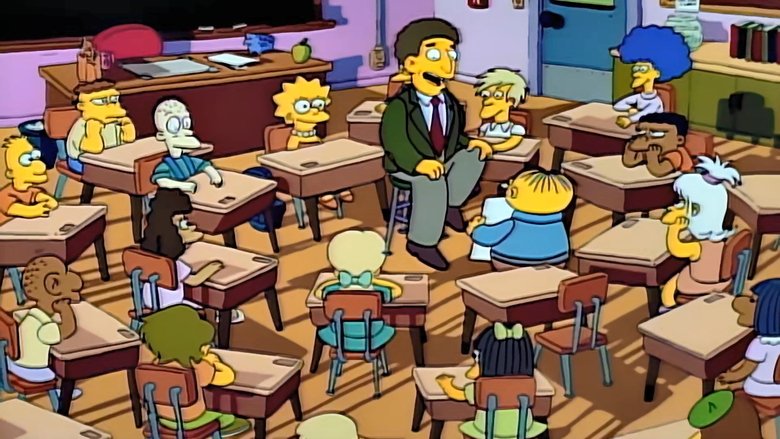
The writers used Season 2 to flesh out the world outside the Simpson home. Ned Flanders, the family’s neighbor, became a more prominent foil for Homer. Their rivalry, mostly one-sided on Homer’s part, provided a recurring source of conflict. The introduction of Mr. Bergstrom in the school environment allowed for a deeper look at the Springfield Elementary faculty. Meanwhile, characters like Waylon Smithers and Mr. Burns became more central to the show’s commentary on power and wealth. Their interactions at the power plant provided a workplace comedy element that balanced the family-centric plots.
- Bart Gets an “F”: Focuses on Bart’s academic pressure and the fear of failure.
- One Fish, Two Fish, Blowfish, Blue Fish: A story about mortality where Homer believes he has twenty-four hours to live.
- The Way We Was: Explores the romantic history of Homer and Marge.
- Lisa’s Substitute: A character study of Lisa Simpson’s intellectual needs and her relationship with her father.
- Three Men and a Comic Book: A story about Bart, Milhouse, and Martin learning about the difficulties of sharing a valuable item.
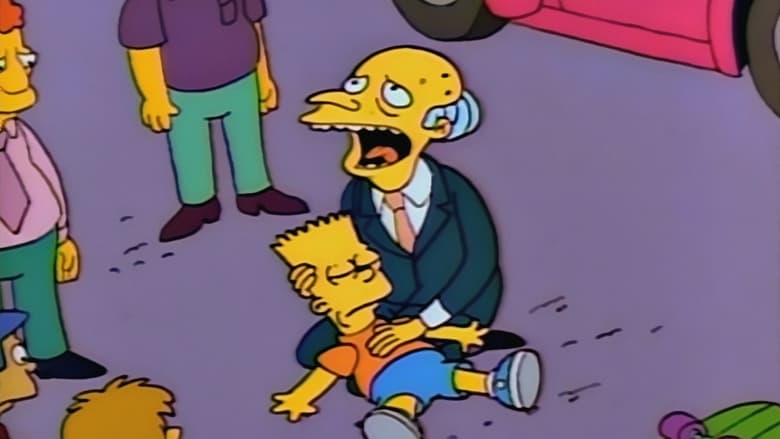
The season also addressed societal issues through its humor. The episode “Itchy & Scratchy & Marge” dealt with the topic of television violence and censorship. Marge led a campaign against the violent cartoon “The Itchy & Scratchy Show”, leading to a broader discussion about the role of media in children’s lives. This ability to mirror real-world debates within a fictional, animated setting became a core strength of the series. The season concluded with “Blood Feud”, where Bart saved Mr. Burns‘ life, resulting in a conflict over the value of a reward and the family’s expectations of gratitude.
Is The Simpsons – Season 2 Safe to Watch? (Age Rating Guide)
Official age rating not available.
For verified credits, release details, or official resources, visit IMDb and Official Site.
| Director | Not available |
|---|---|
| Main Cast | Dan Castellaneta, Julie Kavner, Nancy Cartwright, Yeardley Smith, Hank Azaria |
| Release Year | 1990 |
| Genre | Animation, Comedy, Family |
Frequently Asked Questions
When was The Simpsons – Season 2 released?
The Simpsons – Season 2 was released on October 11, 1990.
What is The Simpsons – Season 2 about?
The Simpsons – Season 2 is available on Flixr.
Where can I watch The Simpsons – Season 2?
The Simpsons – Season 2 is available on Amazon Video, Apple TV, and Disney+.