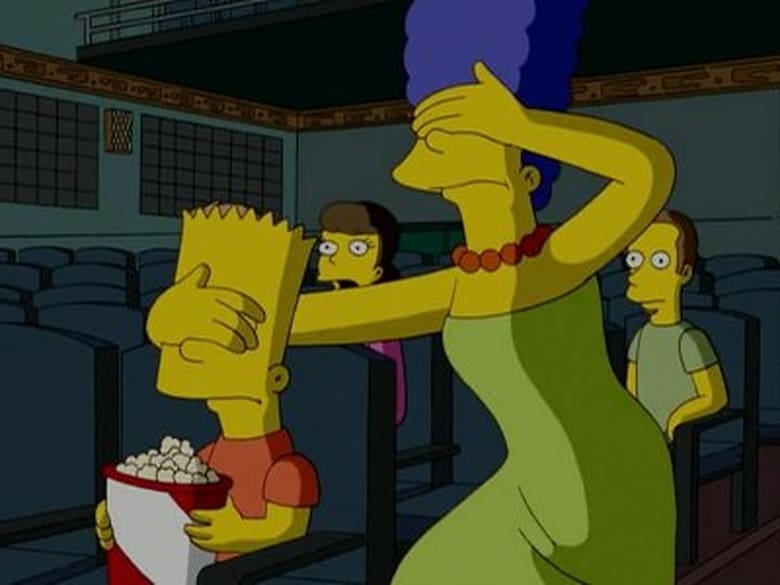
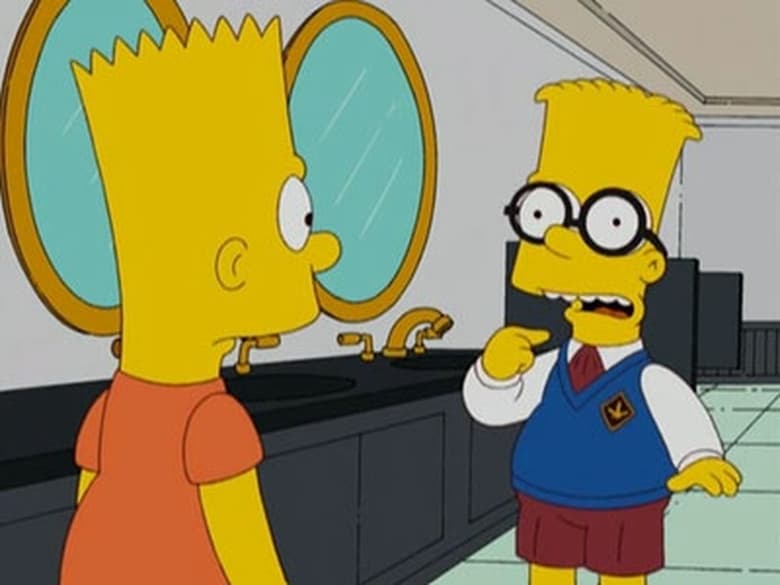
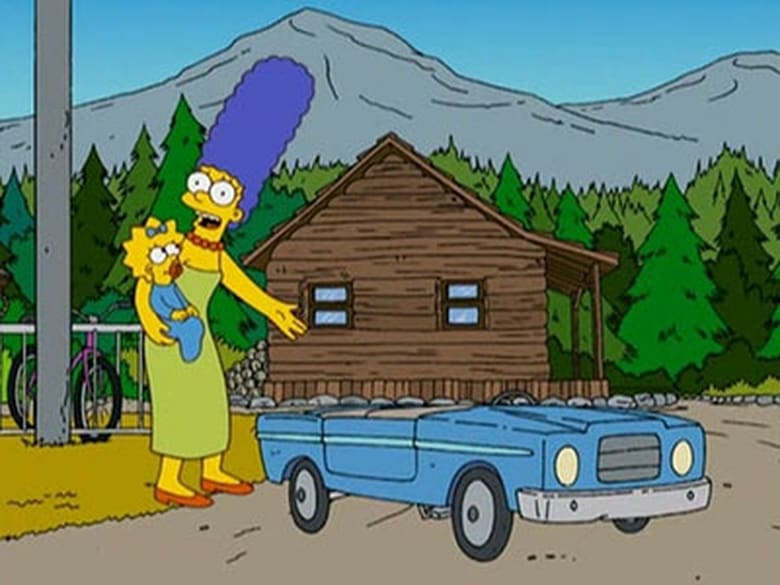
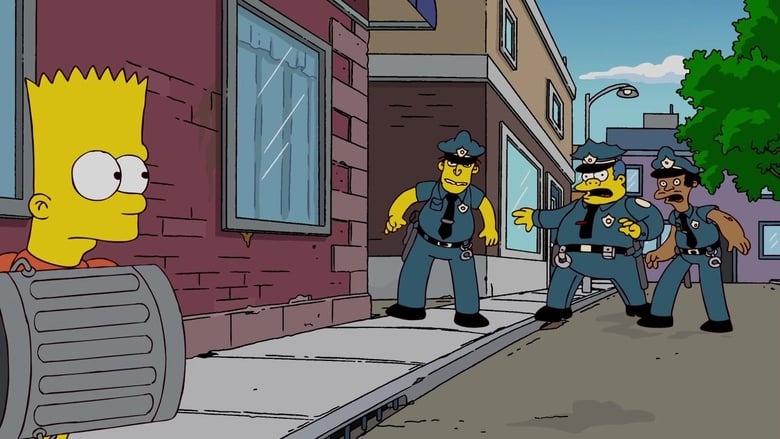
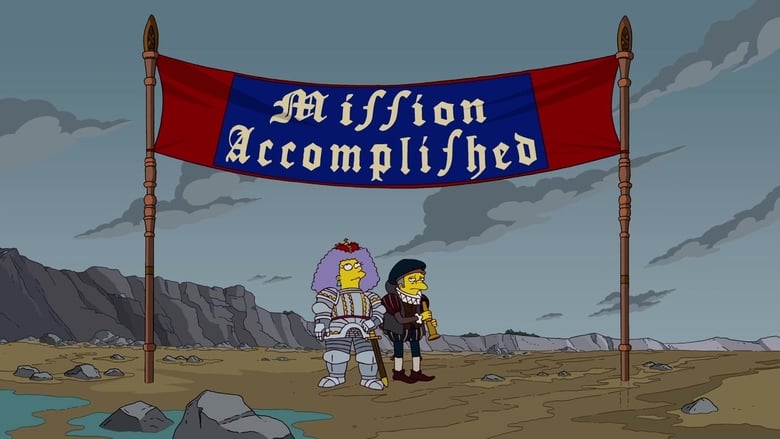
The Simpsons – Season 20 premiered on September 28, 2008, and concluded on May 17, 2009. This season consisted of twenty-one episodes that followed the daily lives and social mishaps of the Simpson family in the fictional town of Springfield. The season is notable for acting as a bridge between the show’s older animation style and its modern presentation, reflecting the technological changes of the late 2000s.
The narrative focused on Homer, Marge, Bart, Lisa, and Maggie as they navigated a world becoming increasingly digital. The season featured a mix of domestic conflicts, such as Homer taking up bounty hunting and Lisa entering a professional crossword puzzle tournament. It also maintained a satirical look at international relations, economic shifts, and the rise of personal mobile technology.
Why You Should Watch The Simpsons – Season 20
The Simpsons – Season 20 is a landmark in the history of the series because it features the permanent transition to high-definition broadcasting. This season provided a unique viewing experience by splitting its presentation between the traditional 4:3 standard definition and the modern 16:9 widescreen format. This change allowed for more detailed background animations and a sharper visual style that redefined the look of Springfield for the next decade.
The Technical Transition to High Definition
The visual overhaul that occurred midway through this season was a major production shift for Gracie Films and 20th Century Fox. Starting with the episode “Take My Life, Please,” which aired on February 15, 2009, the series moved to 16:9 HD widescreen. This transition included a brand-new opening title sequence that replaced the original version used since the second season in 1990.
The new opening sequence added a higher density of character cameos and updated gags, such as Bart writing on a digital whiteboard and Homer interacting with a flat-screen television. The shift to digital ink and paint allowed for a more vibrant color palette and fluid character movements. This modernization was necessary to keep the series competitive as television standards moved away from analog signals.
The animators used the extra screen space in the HD format to hide more “freeze-frame” jokes and visual Easter eggs. While some long-time viewers noted a difference in the aesthetic texture, the change allowed the production team to implement more complex lighting and shadows. This technical milestone ensured the show remained visually relevant in an era of high-resolution gaming and cinema.
Thematic Focus on Technology and Consumerism
The writing in The Simpsons – Season 20 focused heavily on the rapid expansion of digital culture and the obsession with mobile devices. In the episode “Mypods and Boomsticks,” the series analyzed the cult-like following of consumer electronics companies through a parody of Apple called Mapple. The depiction of the Mapple Store and its leader, Steve Mobbs, highlighted the show’s cynical view of brand loyalty.
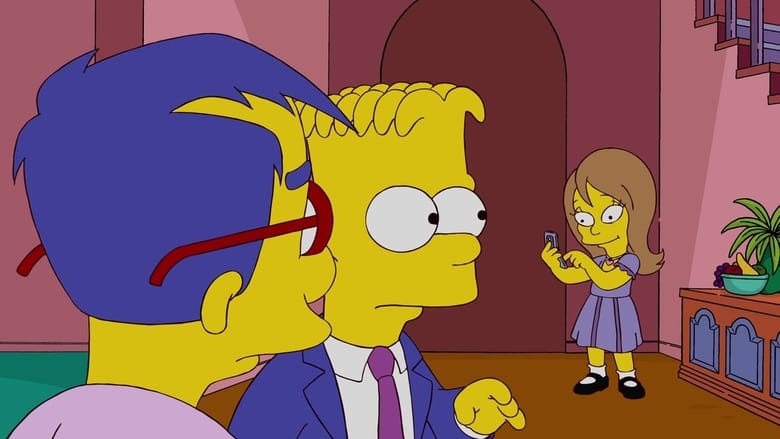
Another episode, “Lost Verizon,” explored the anxieties surrounding surveillance and parental control. When Bart acquired a cell phone, Marge used its GPS feature to track his every move, leading to a conflict over privacy and trust. This story reflected the real-world concerns of parents during the late 2000s as mobile technology became ubiquitous in American households.
The season also addressed the social impact of the internet and social media in their early stages. The characters frequently interacted with new platforms and gadgets that were becoming standard in daily life. This period of the show documented the exact moment when Springfield moved from a disconnected town to a hyper-connected digital environment.
Deep Character Analysis and Relationships
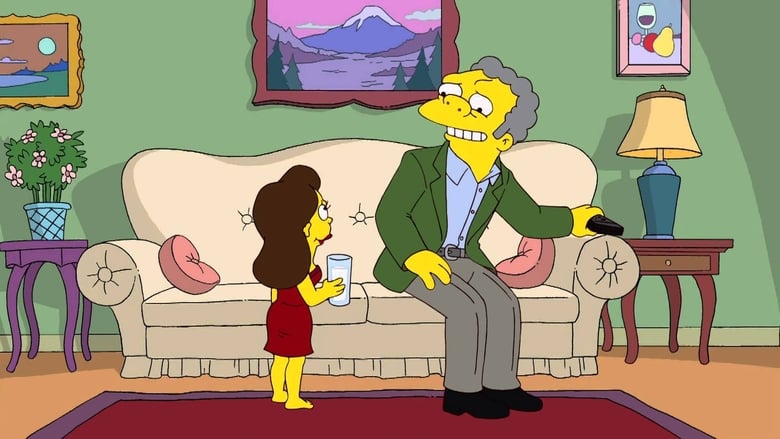
This season prioritized character growth for secondary residents of Springfield, often giving them grounded romantic or professional arcs. In “Eeny Teeny Maya Moe,” the character Moe Szyslak entered a relationship with a woman named Maya who he met on the internet. The narrative handled Moe’s insecurities regarding his appearance and the eventual collapse of the relationship with a level of sobriety rarely seen in the show.
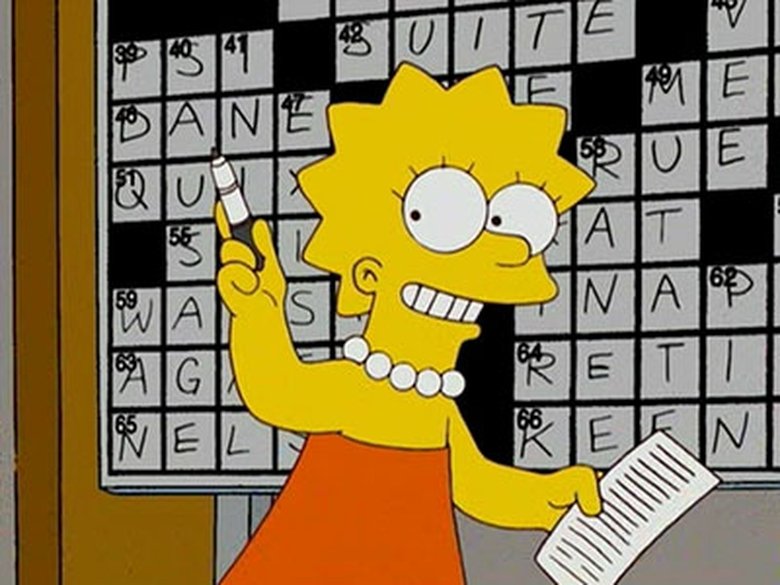
Relationships within the core family were also examined through the lens of intellectual validation. In “Homer and Lisa Exchange Cross Words,” Lisa participated in a crossword puzzle competition. The episode explored her need for Homer’s approval and his struggle to understand her academic passions. Real-world figures like Will Shortz and Merl Reagle appeared as themselves to ground the story in reality.
The season also featured the episode “Dangerous Curves,” which used a non-linear narrative to compare different eras of Homer and Marge’s marriage. By jumping between their early dating years and their current lives, the episode provided a more complex look at the durability of their relationship. This experimental storytelling allowed the writers to bypass the standard sitcom structure for a more analytical approach to character history.
Production and Cultural Context
The Simpsons – Season 20 was produced during the global economic crisis of 2008, and these financial anxieties were integrated into the plotlines. The season finale, “Coming to Homerica,” used the concept of economic migration to comment on the tension between different labor forces. This episode mirrored real-world debates regarding borders and the economy during the late 2000s.
The season relied on a significant number of high-profile guest stars who contributed to the show’s cultural commentary. Actors like Anne Hathaway, Sacha Baron Cohen, and Denis Leary provided voices for characters that challenged the Simpsons’ worldview. This reliance on celebrity guests was a strategy to maintain the show’s status as a dominant cultural force in a fragmenting media landscape.
The production under showrunner Al Jean focused on making the series feel more global. Episodes like “In the Name of the Grandfather” took the family to Ireland, exploring themes of international tourism and the commercialization of heritage. This expanded scope showed the production’s effort to move beyond the boundaries of Springfield.
- Technical Milestone: The transition from 4:3 SD to 16:9 HD widescreen.
- Societal Satire: Critiques of Mapple and digital surveillance culture.
- Character Arcs: Sincere development for Moe Szyslak and his romantic life.
- Narrative Experimentation: The use of non-linear storytelling in episodes like “Dangerous Curves.”
Is The Simpsons – Season 20 Safe to Watch? (Age Rating Guide)
Official age rating not available.
Browse more curated picks in The Simpsons and TV Shows.
For verified credits, release details, or official resources, visit IMDb and Official Site.
| Director | Not available |
|---|---|
| Main Cast | Dan Castellaneta, Julie Kavner, Nancy Cartwright, Yeardley Smith, Hank Azaria |
| Release Year | 2008 |
| Genre | Animation, Comedy, Family |
Frequently Asked Questions
When was The Simpsons – Season 20 released?
The Simpsons – Season 20 was released on September 28, 2008.
What is The Simpsons – Season 20 about?
The twentieth season of The Simpsons serves as a bridge between the analog past and the high-definition future of the long-running animated series.
Where can I watch The Simpsons – Season 20?
The Simpsons – Season 20 is available on Amazon Video, Apple TV, and Disney+.