The Simpsons – Season 26 originally aired on Fox between September 2014 and May 2015. This installment consists of 22 episodes that continue the narrative of the Simpson family as they navigate the social and political landscape of Springfield. The season is characterized by high-concept narrative experiments and a series of guest appearances from prominent figures in technology and entertainment.
The season balances established domestic conflicts with speculative fiction elements, most notably through crossovers and interstellar travel. Key characters such as Homer, Marge, Bart, Lisa, and Maggie remain central to the plot, while the series addresses real-world transitions within its voice cast. The tone remains satirical, focusing on themes of corporate influence, family legacy, and the impact of modern technology on local communities.
The Psychological Fallout of ‘Clown in the Dumps’
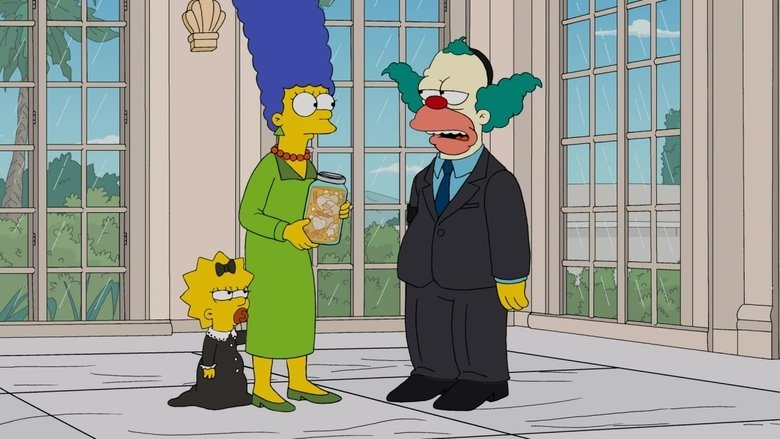
The season premiere, “Clown in the Dumps,” focuses on Krusty the Clown as he faces a profound identity crisis. The death of his father, Rabbi Krustofsky, serves as the primary catalyst for his professional and personal withdrawal. The narrative analyzes the weight of paternal disapproval and the inability to find closure through traditional means.
Krusty’s motivation shifts from seeking public validation to attempting to find a deeper spiritual meaning in his comedy. This episode is notable for its refusal to provide a standard happy ending. It instead offers a cold look at how the past continues to dictate Krusty‘s behavior in the present.
Crossover Dynamics and Internal Logic in ‘Simpsorama’
One of the most technically demanding episodes of the season is “Simpsorama.” This episode merges the world of The Simpsons with the 31st-century setting of Futurama. The conflict arises when Bart creates a global disaster in the future using a sandwich and radioactive waste.
The interaction between Bender and Homer provides a study in character archetypes. While Bender is motivated by his programming and self-preservation, Homer acts out of impulsive fatherly instinct. The episode utilizes time travel mechanics to explore the consequences of modern ecological negligence.
Production Shifts and the Retirement of Edna Krabappel
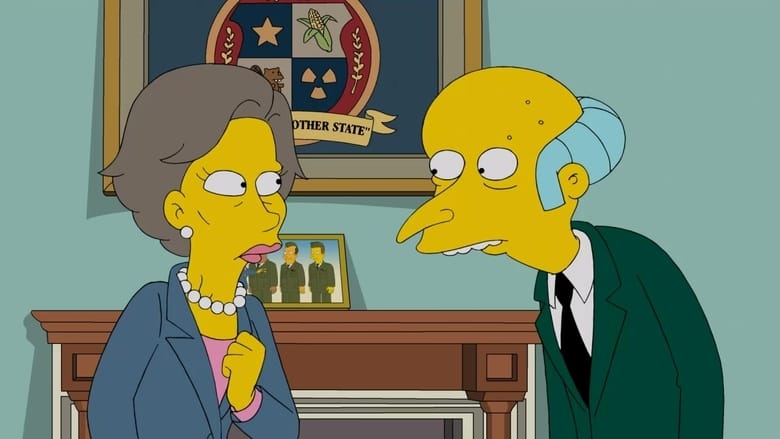
The Simpsons – Season 26 underwent a significant structural change following the death of actress Marcia Wallace. The showrunners decided to retire the character of Edna Krabappel rather than seeking a replacement voice. This decision directly influenced the character arc of Ned Flanders, who appears as a grieving widower for a second time.
The absence of Krabappel also altered the educational setting of Springfield Elementary. Bart Simpson’s primary antagonist in the classroom was removed, necessitating new teacher characters to fill the void. This production-led shift highlights the show’s strategy of adapting to real-world tragedies by altering its internal canon.
The Musk Who Fell to Earth: Tech Disruption Analysis
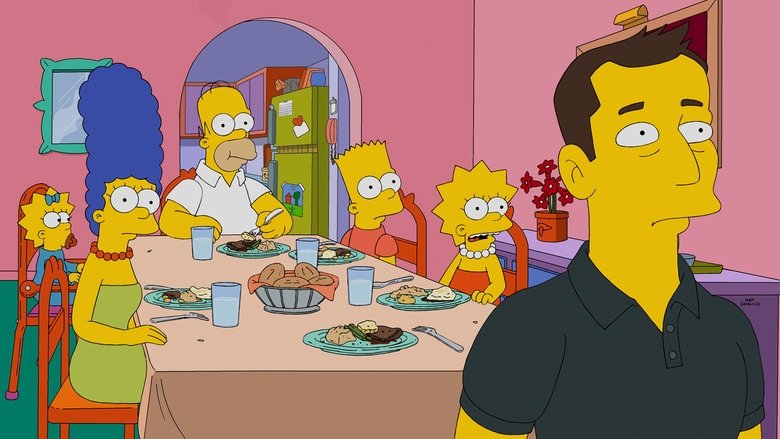
In the episode “The Musk Who Fell to Earth,” guest star Elon Musk arrives in Springfield looking for inspiration. His collaboration with Homer leads to the implementation of various high-tech solutions throughout the town. This results in the rapid bankruptcy of Mr. Burns, who represents traditional industrial power.
The narrative provides a dry critique of the “disruptor” archetype. It examines how rapid innovation can have unintended consequences on a local economy. Mr. Burns is motivated by revenge, attempting to assassinate Musk to restore the status quo of his fossil-fuel-based empire.
Cinematic Visuals in ‘The Man Who Came to Be Dinner’
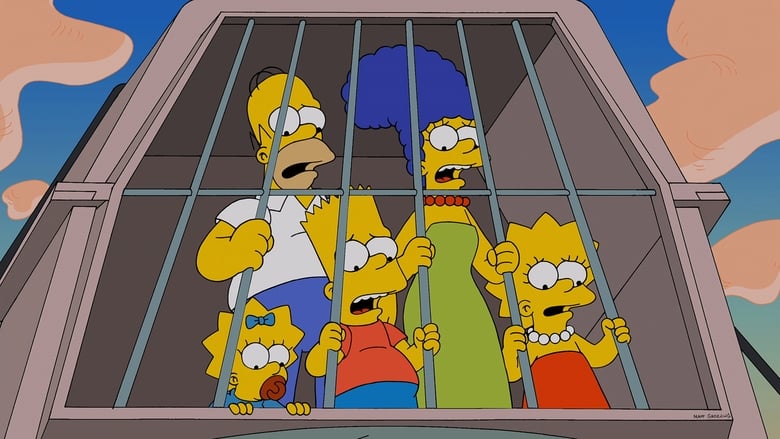
The episode “The Man Who Came to Be Dinner” was originally developed as a script for a potential second Simpsons theatrical film. Because of its cinematic origin, the animation features more complex perspective shots and larger scale environments. The plot involves the family being abducted by Kang and Kodos and taken to the planet Rigel 7.
The central conflict involves a choice between survival and self-sacrifice. The Simpson family is forced to decide which member will be consumed by the aliens. This speculative scenario tests the family’s internal bonds under extreme, non-canonical conditions.
Secondary Thematic Explorations and Guest Roles
- Opposites A-Frack: Jane Lynch plays a lobbyist for the fracking industry, exploring the tension between Lisa‘s environmentalism and Mr. Burns‘ greed.
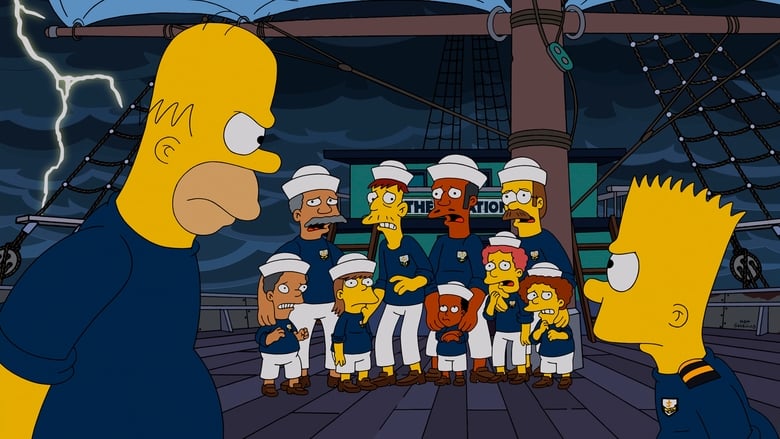
- The Wreck of the Relationship: Nick Offerman voices a captain who attempts to resolve the hostility between Homer and Bart through nautical discipline.
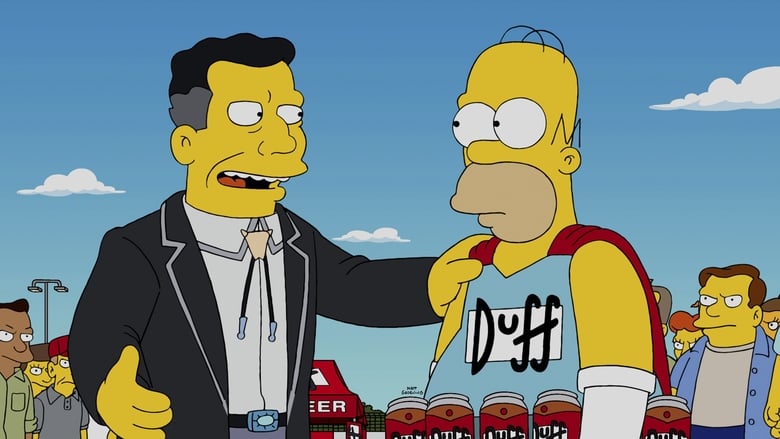
- Waiting for Duffman: The episode examines corporate branding as Homer competes to become the next mascot for Duff Beer.
Social Commentary and Global Perspectives
The season also touches on global issues, such as the episode “Sky Police,” which looks at religious institutions and gambling. Chief Wiggum’s motivation to rebuild the church through card counting provides a cynical look at the intersection of faith and finance. The logic of the narrative suggests that institutional survival often requires compromising moral standards.
Furthermore, the episode “Walking Big & Tall” explores civic identity and the branding of a city anthem. The appearance of Pharrell Williams serves to highlight the commercialization of local pride. Lisa’s discovery that the town anthem is plagiarized serves as a commentary on the lack of original cultural heritage in suburban America.
Why You Should Watch The Simpsons – Season 26
The Simpsons – Season 26 remains a noteworthy installment for its willingness to break from the standard sitcom format. The inclusion of the Futurama crossover and the Rigel 7 adventure demonstrate a high level of creative ambition. The season provides a clinical look at aging, loss, and the ever-shifting landscape of modern technology. Its dry humor and grounded character studies offer a clear contrast to the more simplistic narratives found in early seasons.
Is The Simpsons – Season 26 Safe to Watch? (Age Rating Guide)
Official age rating not available.
Browse more curated picks in The Simpsons and TV Shows.
For verified credits, release details, or official resources, visit IMDb and Official Site.
| Director | Not available |
|---|---|
| Main Cast | Dan Castellaneta, Julie Kavner, Nancy Cartwright, Yeardley Smith, Hank Azaria |
| Release Year | 2014 |
| Genre | Animation, Comedy, Family |
Frequently Asked Questions
When was The Simpsons – Season 26 released?
The Simpsons – Season 26 was released on September 28, 2014.
What is The Simpsons – Season 26 about?
The Simpsons – Season 26 originally aired on Fox between September 2014 and May 2015. This installment consists of 22 episodes that continue the narrative of the Simpson family as they navigate the social and political landscape of Springfield.
Where can I watch The Simpsons – Season 26?
The Simpsons – Season 26 is available on Amazon Video, Apple TV, and Disney+.