The Simpsons – Season 3 originally aired between September 1991 and August 1992, marking a significant shift in the production and tone of the animated series. This season saw Al Jean and Mike Reiss take over as showrunners, moving the focus away from the rebellious antics of Bart Simpson and toward the bumbling life of Homer Simpson. The season consisted of 24 episodes that established many of the recurring characters and tropes that would define the show for the next three decades.
The plot follows the daily lives of the Simpson family in the fictional town of Springfield. Homer, played by Dan Castellaneta, navigates his role as a safety inspector at the Springfield Nuclear Power Plant while dealing with domestic issues alongside Marge, voiced by Julie Kavner. Their children—Bart, Lisa, and Maggie—face their own challenges, ranging from school politics and talent shows to accidental encounters with local celebrities and international figures.
Why You Should Watch The Simpsons – Season 3
The Simpsons – Season 3 is widely regarded by critics and viewers as the beginning of the show’s “Golden Age.” During this period, the writing staff tightened the narrative structure, and the humor became more sophisticated, blending slapstick with sharp social satire. The animation quality, handled by Klasky Csupo, also saw a noticeable improvement in fluid movement and character expressions compared to the first two seasons.
This season introduced several iconic plot points and characters that became central to the series’ identity. For example, the episode “When Flanders Failed” explored the rivalry between Homer and his neighbor Ned Flanders through the opening of The Leftorium. This season also featured the first appearance of Fat Tony and the deeper development of Krusty the Clown’s heritage in “Like Father, Like Clown.” These episodes helped expand the world of The Simpsons beyond just the core family members.
The Evolution of Homer Simpson
In this third installment of the series, Homer Simpson transitioned from a simple, angry father figure into a more complex and often well-meaning, though incompetent, lead. The writers leaned into his lack of intelligence and his various obsessions, such as his love for beer and doughnuts, to drive the humor. This change made the character more relatable and allowed for more absurd situations that remained grounded in family dynamics.
Episodes like “Homer Defined” and “Colonel Homer” showcased Homer as a character capable of both accidental success and emotional vulnerability. In the latter, Homer becomes a manager for a country singer named Lurleen Lumpkin, creating tension in his marriage. This grounded approach to conflict allowed the show to maintain its heart even as the jokes became more frequent and surreal.
A Landmark for Guest Stars
One of the defining features of Season 3 was the increased use of high-profile guest stars who voiced fictionalized versions of themselves or new characters. The season opener, “Stark Raving Dad,” featured a character who believed he was Michael Jackson, voiced by the pop star himself under a pseudonym. This set a precedent for the show becoming a cultural hub for celebrities in the early 1990s.
The episode “Homer at the Bat” is perhaps the most famous example of this trend. It featured nine Major League Baseball stars, including Ken Griffey Jr., Wade Boggs, and Ozzie Smith. The production team worked around the schedules of these professional athletes to create a cohesive story about Mr. Burns hiring ringers for the power plant’s softball team. This episode proved that the show could successfully manage large ensemble casts without losing its narrative focus.
Saturation of Pop Culture and Satire
The writing in Season 3 moved toward a style that rewarded repeat viewings. The episodes were packed with sight gags, movie references, and subtle background jokes. For instance, “Flaming Moe’s” featured a guest appearance by the band Aerosmith and parodied the theme song of the sitcom Cheers. These layers of humor made the show appealing to both children and adults, which was a rare feat for animation at the time.
Political and social commentary also became more prominent during this season. “Mr. Lisa Goes to Washington” satirized the corruption within the United States government, while “Radio Bart” examined the media’s obsession with sensationalized tragedies. By tackling these themes, the show demonstrated that TV Shows in the animated format could provide meaningful commentary on contemporary American life.
Is The Simpsons – Season 3 Safe to Watch? (Age Rating Guide)
Official age rating not available.
For verified credits, release details, or official resources, visit IMDb and Official Site.
| Director | Not available |
|---|---|
| Main Cast | Dan Castellaneta, Julie Kavner, Nancy Cartwright, Yeardley Smith, Hank Azaria |
| Release Year | 1991 |
| Genre | Animation, Comedy, Family |
Frequently Asked Questions
When was The Simpsons – Season 3 released?
The Simpsons – Season 3 was released on September 19, 1991.
What is The Simpsons – Season 3 about?
The Simpsons – Season 3 originally aired between September 1991 and August 1992, marking a significant shift in the production and tone of the animated series.
Where can I watch The Simpsons – Season 3?
The Simpsons – Season 3 is available on Amazon Video, Apple TV, and Disney+.
Episode guide

Stark Raving Dad
A deviation from his norm lands Homer in a mental institution, where he shares a room with a man who thinks he's Michael Jackson.
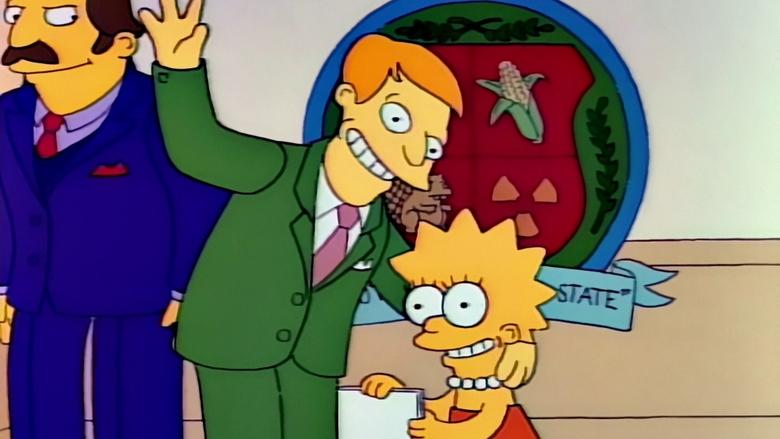
Mr. Lisa Goes to Washington
Lisa's essay wins the Simpsons a trip to Washington, D.C., where her faith in democracy is shaken by her unethical Congressman.

When Flanders Failed
Flanders suffers a failure after Homer wishes him ill.

Bart the Murderer
While working for Fat Tony, Bart gains enough influence with his boss to solve his problems with Principal Skinner--perhaps permanently.

Homer Defined
Homer's averting of a nuclear meltdown earns him employee-of-the-month honors--and a call from Magic Johnson; Milhouse's parents prohibit him from playing with Bart.

Like Father, Like Clown
Bart and Lisa use theological arguments to try to reunite Krusty the Clown and his rabbi father, who disowned Krusty when he turned from rabbi to clown.
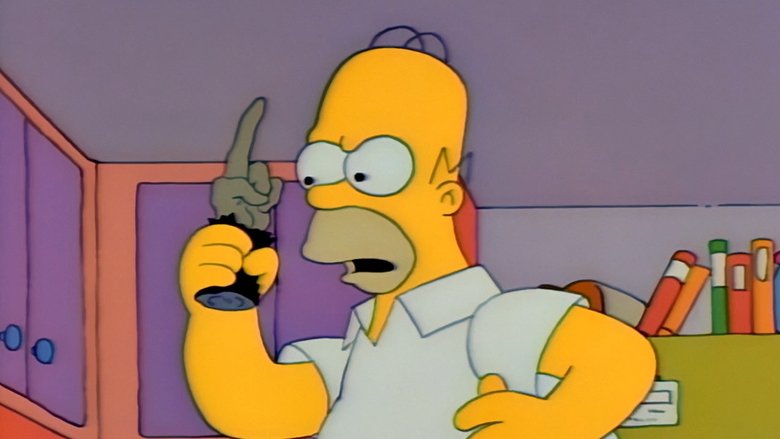
Treehouse of Horror II
Maggie uses one of three wishes; a mind-reading Bart rules Springfield; Homer donates his brain to Mr. Burns' science project.

Lisa's Pony
After disappointing Lisa, Homer buys her a pony, solving one problem, but creating others, requiring a second job--at Apu's Kwik-E-Mart.
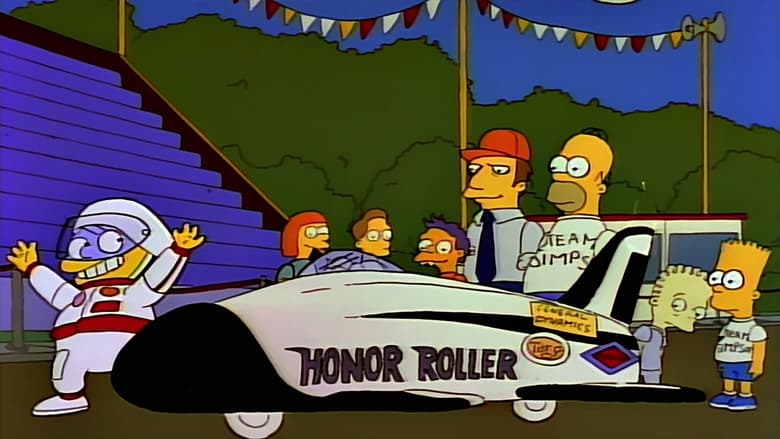
Saturdays of Thunder
When Homer helps Bart build a soapbox racer, it does little for the car but a lot for their relationship.

Flaming Moe's
Moe steals the drink recipe Homer invented, and the rechristened “Flaming Moe” turns his tavern into a hotspot. When a national franchise wants to buy the recipe, Homer wants revenge.

Burns Verkaufen der Kraftwerk
Burns sells the power plant to a German corporation that doesn't care for Homer's approach to his work.

I Married Marge
A trip down memory lane to the early days of Simpson wedded bliss, when Marge was with child and Homer was without a job.

Radio Bart
Bart fools the town into thinking there's a little boy trapped in a well.

Lisa the Greek
Lisa's ability to pick winning football teams kicks off a strong bond with Homer.

Homer Alone
A stressed Marge vacations alone, leaving Bart and Lisa with Patty and Selma, and Maggie with Homer--until she leaves in search of Marge.

Bart the Lover
Bart's answer to detention from Mrs. Krabappel is to answer her personal ad with letters from a Mr. Wonderful, but his last laugh is more of a guilty whimper.

Homer at the Bat
Burns hires Major League ringers for the plant softball championship.

Separate Vocations
The results from their aptitude tests cause Bart and Lisa to make 180-degree turns in their behavior.

Dog of Death
Santa's Little Helper notices resentment after the Simpsons make sacrifices to fund his life-saving operation.

Colonel Homer
Marge fears a cheatin' heart when a waitress-country singer asks Homer to be her manager.

Black Widower
Bart suspects something rotten when Selma gets engaged to Sideshow Bob.

The Otto Show
Spinal Tap hits Springfield, and Otto the bus driver hits the skids after being fired, taking refuge in the Simpsons' garage.

Bart's Friend Falls in Love
Bart resents Milhouse's new girlfriend; Homer gets the wrong subliminal tape, which has him gaining vocabulary, not losing weight.

Brother, Can You Spare Two Dimes?
Homer's half-brother asks for a loan after Homer is awarded some cash.
Videos: Trailers, Teasers, Featurettes
Cast

Dan Castellaneta
Homer Simpson / Abe Simpson / Barney Gumble / Krusty (voice)

Julie Kavner
Marge Simpson / Patty Bouvier / Selma Bouvier (voice)
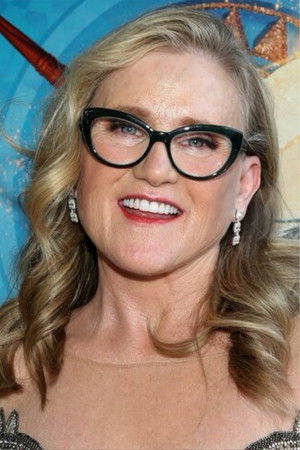
Nancy Cartwright
Bart Simpson / Nelson Muntz / Ralph Wiggum (voice)

Yeardley Smith
Lisa Simpson (voice)

Hank Azaria
Moe Szyslak / Chief Wiggum / Apu / Comic Book Guy / Carl (voice)
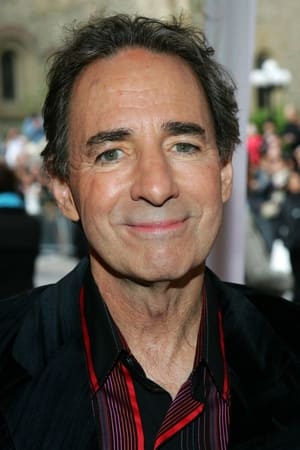
Harry Shearer
Ned Flanders / Mr. Burns / Smithers / Skinner / Lenny (voice)