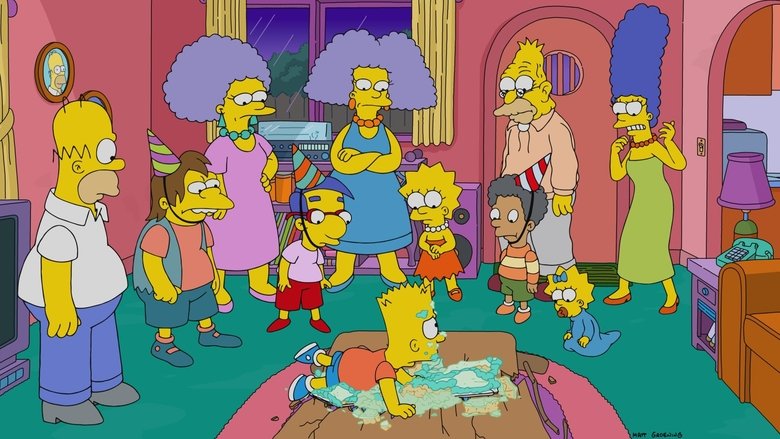
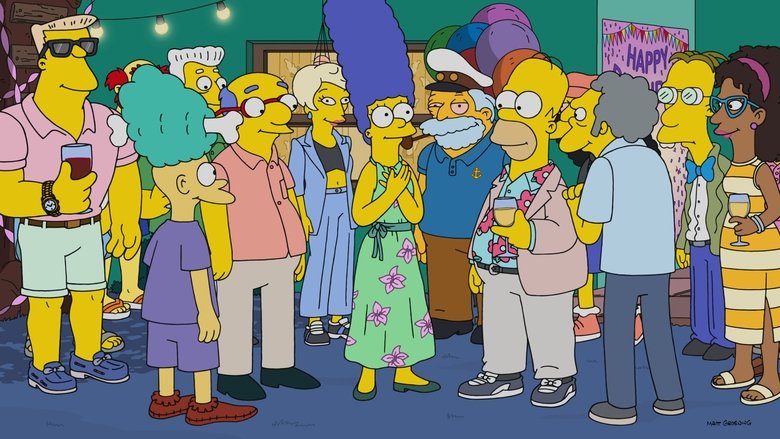
The thirty-sixth season of The Simpsons commenced its broadcast on September 29, 2024, on FOX. The season premiere, titled “Bart’s Birthday,” distinguished itself by utilizing a meta-narrative framework that functioned as a satirical series finale. Hosted by an animated Conan O’Brien, the episode examined the tropes of television conclusions, incorporating AI-generated resolutions and cameos from various recurring characters in Springfield. This approach allowed the production to address the show’s unprecedented longevity while reaffirming its status as a foundational element of the animated comedy landscape.
As the narrative progresses, the series maintains its focus on the Simpson family, consisting of Homer, Marge, Bart, Lisa, and Maggie. The season continues to employ the fictional town of Springfield as a microcosm for broader cultural and social developments. Themes explored include the influence of modern technology, the evolution of family dynamics in the digital age, and the persistent absurdity of local governance. The voice cast, led by Dan Castellaneta, Julie Kavner, and Nancy Cartwright, provides the established continuity required for the show’s persistent satirical output.
Structural Innovation and the Meta-Finale
The decision to open Season 36 with a simulated series finale reflects a shift toward more experimental storytelling within the series. This episode, “Bart’s Birthday,” used a self-referential script to parody the expectations placed upon long-running shows to provide definitive endings. By mocking the concept of character arcs being “wrapped up,” the writers emphasized the episodic and unchanging nature of the characters’ lives. This structural choice highlights the production’s willingness to critique its own legacy within the TV Shows industry.
The inclusion of Conan O’Brien served as a historical callback to the writer’s own tenure on the series during its early years. This creative decision bridges the gap between the show’s classic era and its current modern iteration. The production utilizes these historical anchors to maintain fan engagement while simultaneously pushing the boundaries of the traditional sitcom format. The episode also utilized guest stars like John Cena and Danny DeVito in brief, calculated capacities to reinforce the “finale” illusion.
Character Development and Narrative Persistence
Despite the static age of the characters, Season 36 attempts to provide deeper insights into their psychological motivations. Homer Simpson‘s role as the patriarch is frequently challenged by his inability to adapt to shifting workplace norms and economic realities. Meanwhile, Marge Simpson often serves as the corrective force, managing domestic crises that arise from the children’s exposure to modern social pressures. The writing remains clinical in its depiction of these family tensions, avoiding sentimentality in favor of satirical precision.
Lisa Simpson continues to act as the intellectual protagonist, often clashing with the anti-intellectual environment of Springfield Elementary. Her character arc in this season involves navigating the complexities of environmental activism and the limitations of social justice in a small-town setting. Bart Simpson remains the primary agent of chaos, though his actions in the premiere episode suggest a subtle awareness of his repetitive lifestyle. These character explorations are designed to sustain interest without disrupting the established status quo of the franchise.
Technological Satire and Modern Commentary
The production frequently targets the current state of technology, specifically the rise of artificial intelligence and streaming culture. Episodes depict the Springfield community struggling to integrate these advancements into their daily routines. The show critiques the dehumanizing aspects of digital interaction while acknowledging its unavoidable presence. This objective lens allows the show to remain relevant to contemporary audiences without abandoning its core identity as a traditional animated sitcom.
Furthermore, the season addresses the corporate landscape of modern entertainment. Through various subplots, the writers analyze the impact of large-scale media consolidations and the homogenization of content. By doing so, The Simpsons maintains its role as a cultural critic, even as it operates within the very corporate structures it parodies. This duality is a defining characteristic of the season’s editorial tone, providing a cold but accurate reflection of the current media environment.
Treehouse of Horror XXXV and Anthology Elements
A central pillar of the season is the Treehouse of Horror XXXV, which continues the tradition of three distinct segments. These segments allow the animation team to experiment with visual styles that deviate from the standard aesthetic. Parodies in this installment include a cinematic take on the Venom franchise and a critique of corporate dystopian futures. The production uses these non-canonical episodes to explore darker themes and more graphic visual content that would be restricted in standard episodes.
The anthology format also facilitates technical experimentation. The animators employ different textures, frame rates, and lighting schemes to differentiate the segments. This diversity demonstrates the technical capability of the current production team and their ability to adapt to varying genre requirements. These specials remain high points of the season, providing a contrast to the grounded domesticity of the regular Springfield narrative.
Why You Should Watch The Simpsons – Season 36
Season 36 is notable for its refusal to adhere strictly to the conventions of previous years. The season premiere serves as a significant milestone, offering a level of self-awareness that is rare in contemporary television. Viewers who appreciate technical precision in animation and sharp, observational comedy will find the season’s approach to modern satire particularly effective. The production successfully balances its historical weight with a commitment to addressing current cultural trends.
- Experimental Writing: The use of a “fake finale” provides a unique entry point for both long-time fans and new viewers.
- Visual Quality: The animation in Season 36 utilizes advanced lighting and digital techniques to enhance the classic character designs.
- Cultural Relevance: Episodes address pressing modern issues such as AI, digital privacy, and social media dynamics.
- Voice Performance: The original cast provides a level of professional consistency that remains the industry standard for animated comedy.
Is The Simpsons – Season 36 Safe to Watch? (Age Rating Guide)
TV-14 for suggestive dialogue, crude humor, and cartoon violence.
Browse more curated picks in The Simpsons and TV Shows.
For verified credits, release details, or official resources, visit IMDb and Official Site.
| Director | Not available |
|---|---|
| Main Cast | Dan Castellaneta, Julie Kavner, Nancy Cartwright, Yeardley Smith, Hank Azaria |
| Release Year | 2024 |
| Genre | Animation, Comedy, Family |
Frequently Asked Questions
When was The Simpsons – Season 36 released?
The Simpsons – Season 36 was released on September 29, 2024.
What is The Simpsons – Season 36 about?
The thirty-sixth season of The Simpsons commenced its broadcast on September 29, 2024, on FOX. The season premiere, titled "Bart's Birthday," distinguished itself by utilizing a meta-narrative framework that functioned as a satirical series finale.
Where can I watch The Simpsons – Season 36?
The Simpsons – Season 36 is available on Amazon Video, Apple TV, and Disney+.