The Simpsons – Season 4 debuted on September 24, 1992, and marked a significant period in the history of the long-running animated series. This season continued the lives of the Simpson family in the fictional town of Springfield. The episodes featured Homer Simpson, Marge Simpson, Bart Simpson, Lisa Simpson, and Maggie Simpson as they navigated various social and domestic situations. The season is often cited by historians of the show as a high point in its writing and humor.
The season consisted of 22 episodes that covered a wide range of topics, from labor strikes to public transport scandals. It saw the return of recurring characters and introduced new figures that became staples of the Springfield universe. Under the guidance of showrunners Al Jean and Mike Reiss, the production maintained a fast pace and a cynical tone that defined the show during the early 1990s. The season finished its original run on May 13, 1993, on the Fox network.
Is The Simpsons – Season 4 Safe to Watch? (Age Rating Guide)
Official age rating not available.
Why You Should Watch The Simpsons – Season 4
The Simpsons – Season 4 is viewed as a definitive example of early 1990s television satire. It refined the balance between slapstick humor and social commentary. The season utilized a larger writing room that included notable names like Conan O’Brien and John Swartzwelder. The animation quality also showed marked improvement over previous years, with more detailed backgrounds and smoother character movements. This season cemented the series as a dominant force in TV Shows during that era.
The Writing of Conan O’Brien
One of the primary reasons this season stands out is the influence of writer Conan O’Brien. He was responsible for the script of “Marge vs. the Monorail,” which is frequently cited as one of the best episodes in the entire series. This episode features a fast-talking salesman named Lyle Lanley, voiced by guest star Phil Hartman. The plot follows the town of Springfield as they waste a large sum of money on a faulty transportation system.
The episode demonstrates the show’s ability to spoof musical theater while criticizing small-town impulsiveness. The song “The Monorail Song” became a well-known piece of television history. O’Brien‘s style brought a more surreal and fast-paced energy to the season. This helped the show move away from the more grounded domestic plots of the first two seasons. The humor became more observational and focused on the absurdity of modern American life.
Key Character Developments
The fourth season focused heavily on the internal motivations of the main characters. In the episode “Mr. Plow,” Homer Simpson starts a snowplowing business, which creates a rivalry with his best friend Barney Gumble. The story shows Homer‘s desire for respect and success, while also highlighting the fragility of his friendships. This episode is a clear look at Homer‘s ambition and his occasional lapses in judgment.
Lisa Simpson also received significant focus in “Lisa the Beauty Queen.” In this story, Homer enters Lisa into a pageant to boost her self-esteem. The episode deals with Lisa‘s discomfort with traditional beauty standards and her desire to be taken seriously as an intellectual. It provides a look at the father-daughter dynamic and how Homer tries to support her in his own clumsy way. This focus on character growth made the comedy feel more grounded in reality.
Labor and Social Satire
Another major highlight of The Simpsons – Season 4 is the episode “Last Exit to Springfield.” This episode deals with Homer Simpson becoming the president of the local labor union. He leads a strike against the Springfield Nuclear Power Plant and its owner, Mr. Burns. The conflict arises when Mr. Burns tries to remove the dental plan from the union contract, which Homer needs for Lisa‘s new braces.
The episode is noted for its parody of classic films like The Godfather and Yellow Submarine. It portrays the power struggle between workers and corporate management with a cynical lens. Mr. Burns acts as a classic antagonist, using his wealth to try and break the strike. The resolution shows the workers winning their dental plan, but at the cost of Mr. Burns regaining his sense of control. This episode is often studied for its dense layering of jokes and cultural references.
Evolution of the Supporting Cast
The season also expanded the roles of the residents of Springfield. Ned Flanders, the overly friendly neighbor, became a more prominent foil for Homer‘s anger. In episodes like “A Streetcar Named Marge,” the show examined the relationship between Marge and Ned as they performed in a community theater production. This story highlighted Marge‘s need for an identity outside of being a housewife and Homer‘s initial lack of support for her hobbies.
The school environment was further detailed through Bart‘s interactions with Principal Skinner and Mrs. Krabappel. In “New Kid on the Block,” Bart experiences his first crush on a new neighbor named Laura Powers. This subplot allowed the writers to show a more vulnerable side of Bart that was different from his usual troublemaker persona. The introduction of Ruth Powers, a single mother, also added a new dynamic to the neighborhood interactions.
Technical and Production Milestones
During the production of The Simpsons season four, the staff faced several challenges. The show was transitioning between different animation houses, which required strict oversight to maintain visual consistency. Dan Castellaneta continued to voice Homer with a deeper, more resonant tone that had fully evolved from the early shorts. The voice acting across the board became more nuanced as the actors grew more comfortable with their roles.
The season featured several high-profile guest stars who played themselves or original characters. Elizabeth Taylor provided the voice for Maggie Simpson‘s first word in “Lisa’s First Word.” Adam West, Burt Ward, and Leonard Nimoy also made appearances. These guest spots were integrated into the plot rather than just being cameos, which helped the show feel like a part of the larger pop culture landscape. This integration is a hallmark of the show’s middle years.
For verified credits, release details, or official resources, visit IMDb and Official Site.
| Director | Not available |
|---|---|
| Main Cast | Dan Castellaneta, Julie Kavner, Nancy Cartwright, Yeardley Smith, Hank Azaria |
| Release Year | 1992 |
| Genre | Animation, Comedy, Family |
Frequently Asked Questions
When was The Simpsons – Season 4 released?
The Simpsons – Season 4 was released on September 24, 1992.
What is The Simpsons – Season 4 about?
The Simpsons – Season 4 is available on Flixr.
Where can I watch The Simpsons – Season 4?
The Simpsons – Season 4 is available on Amazon Video, Apple TV, and Disney+.
Episode guide

Kamp Krusty
Bart leads an uprising at Krusty's summer camp after he and Lisa are subjected to a Dickensian sweatshop.

A Streetcar Named Marge
Marge is cast in a version of "A Streetcar Named Desire," playing Blanche to Ned Flanders' Stanley.

Homer the Heretic
After skipping church one Sunday morning, Homer decides to quit church altogether and spend Sundays worshiping in his own way -- with cigars and beer.

Lisa the Beauty Queen
Homer enters Lisa into the Little Miss Springfield Pageant to help her feel better about her looks. But when she must choose between the title and her integrity, she realizes that confidence comes from within.

Treehouse of Horror III
A Halloween trilogy includes a murderous Krusty doll; a "King Kong" parody; an invasion of zombies unleashed by Bart's incantation.

Itchy & Scratchy: The Movie
Bart is punished by being barred from the Itchy and Scratchy movie.

Marge Gets a Job
Mr. Burns is instantly smitten when Marge takes a job at the nuclear power plant.

New Kid on the Block
Bart has a crush on his new neighbor, a teenage girl who only has eyes for Jimbo Jones. Bart sets out to prove that Jimbo is not as tough as he seems.

Mr. Plow
Homer and Barney become competitors in the snow-plowing business.

Lisa's First Word
While trying to get Maggie to say her first word, Marge and Homer reminisce about Bart's and Lisa's first words.

Homer's Triple Bypass
Homer sees a discount doctor for a coronary bypass.

Marge vs. the Monorail
When Springfield gets a sudden windfall, a charismatic traveling salesman convinces the town to build a monorail.

Selma's Choice
After seeing Aunt Gladys die alone, Aunt Selma wants to get married and have a baby... until she spends a day babysitting Bart and Lisa at Duff Gardens.

Brother from the Same Planet
When Homer neglects Bart once too often, Bart goes to the Big Brother program to get a new father figure. Stung, Homer replaces Bart with a little brother.

I Love Lisa
Chief Wiggum's son has a crush on Lisa after she gives him a Valentine out of pity.

Duffless
After a DUI, Homer swears off beer for a month. Meanwhile, Bart and Lisa's sibling rivalry plays out in the school science fair.

Last Exit to Springfield
Union president Homer fights to keep the dental plan.

So It's Come to This: A Simpsons Clip Show
An April Fools' Day prank provides the jumping-off point for Simpson family flashbacks.

The Front
Lisa and Bart write an Itchy and Scratchy episode; Homer makes up a missing high-school credit.

Whacking Day
Lisa takes a stand against Springfield's annual snake-bashing festival.

Marge in Chains
Overwhelmed by her family's demands during a flu epidemic, Marge accidentally shoplifts at the Kwik-E-Mart and winds up in prison.

Krusty Gets Kancelled
Krusty's Hollywood pals help when his show is canceled after a new star causes his ratings to plummet.
Videos: Trailers, Teasers, Featurettes
Cast

Dan Castellaneta
Homer Simpson / Abe Simpson / Barney Gumble / Krusty (voice)

Julie Kavner
Marge Simpson / Patty Bouvier / Selma Bouvier (voice)

Nancy Cartwright
Bart Simpson / Nelson Muntz / Ralph Wiggum (voice)

Yeardley Smith
Lisa Simpson (voice)

Hank Azaria
Moe Szyslak / Chief Wiggum / Apu / Comic Book Guy / Carl (voice)
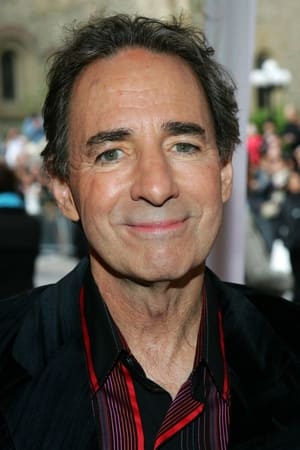
Harry Shearer
Ned Flanders / Mr. Burns / Smithers / Skinner / Lenny (voice)