The Simpsons – Season 7, which originally aired on the Fox network between September 17, 1995, and May 19, 1996, represents a significant structural and thematic shift for the animated series. This season marked the beginning of the tenure of executive producers Bill Oakley and Josh Weinstein, who sought to deepen the emotional stakes of the show while maintaining its satirical edge. The season consists of 25 episodes, opening with the resolution of the mystery surrounding the shooting of Mr. Burns. This transition period is noted for moving away from the more kinetic, gag-heavy pacing of the earlier eras in favor of character-driven narratives and experimental storytelling techniques that tested the limits of the sitcom format.
The narrative focus of this season expanded to include the intricate histories of Springfield citizens, providing grounded motivations for established characters. Notable developments included the permanent lifestyle change for Lisa Simpson and the introduction of Homer Simpson‘s long-lost mother, Mona Simpson. These episodes were characterized by a dry, observational humor that addressed social issues such as corporate greed, religious skepticism, and the commercialization of youth culture. The production quality remained consistent with the high standards of the mid-1990s, utilizing hand-drawn animation techniques that emphasized physical comedy and detailed environmental storytelling within the Simpson household and the broader community.
Why You Should Watch The Simpsons – Season 7
This season is identified by many historians of the medium as a peak in narrative complexity and technical precision. The writing staff successfully balanced the absurdist elements of the town with deeply human conflicts, ensuring that the characters remained relatable despite their satirical nature.
Deepening Character Motivations
The primary conflict in several episodes stems from the emotional isolation of the core family members. In “Mother Simpson,” the show explores the abandonment issues of Homer Simpson, voiced by Dan Castellaneta. The arrival of Mona Simpson, voiced by Glenn Close, provides a logical explanation for Abe Simpson‘s behavior and Homer’s emotional instability. This focus on character history allowed the series to transcend simple episodic comedy.
Key themes explored include:
- Parental Abandonment: The long-term effects of a missing parent on adult psychology.
- Ethical Conviction: In “Lisa the Vegetarian,” Lisa Simpson faces social pressure to conform to dietary norms, highlighting the conflict between personal morality and communal tradition.
- Guilt and Redemption: “Marge Be Not Proud” details Bart Simpson‘s internal struggle after a shoplifting incident, focusing on the fractured relationship between mother and son.
Experimental Narrative Structures
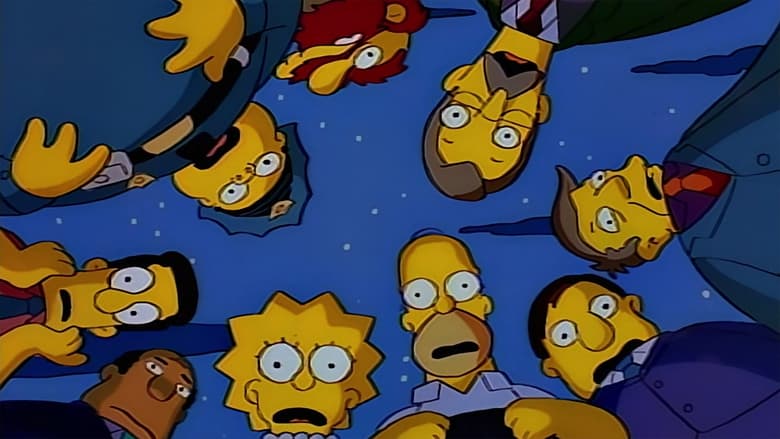
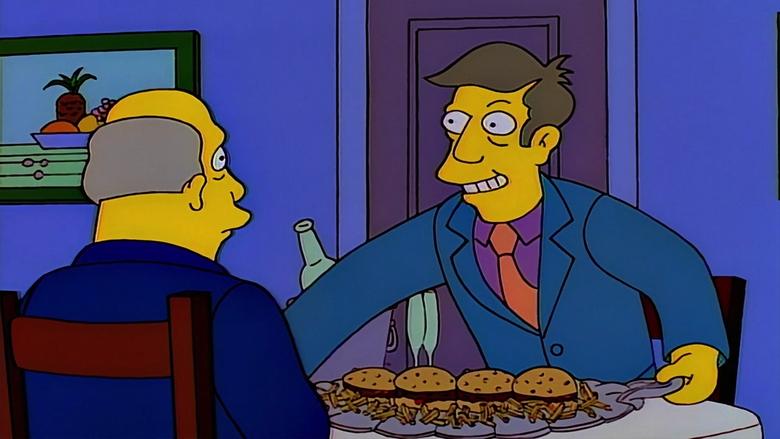
Under Oakley and Weinstein, the season took significant risks with how stories were told. “22 Short Films About Springfield” abandoned the standard three-act structure to present nineteen loosely connected vignettes. This episode provided a template for non-linear storytelling in animation, focusing on secondary characters such as Principal Skinner and Chief Wiggum. The segment featuring Skinner and Superintendent Chalmers, often referred to as “Steamed Hams,” has become a notable example of the show’s precise comedic timing and dialogue-driven humor.
The season also included “The 138th Episode Spectacular,” a self-referential clip show hosted by Troy McClure, voiced by Phil Hartman. This episode served to acknowledge the show’s origins on The Tracey Ullman Show and its evolution into a global phenomenon. It provided a dry commentary on the television industry’s reliance on recycled content while presenting genuinely informative background on the series’ production history.
Production Context and Satire
The 1995-1996 television landscape was heavily influenced by the rise of alternative culture, which the season parodied in “Homerpalooza.” This episode featured guest appearances by The Smashing Pumpkins, Sonic Youth, and Cypress Hill. It analyzed the generational gap and the commodification of the 1990s music scene, showing Homer Simpson‘s futile attempt to remain relevant to a younger demographic. The satire was factual and pointed, mocking the artificial nature of festival culture.
Technical aspects of the season included:
- Enhanced Background Detail: Detailed renderings of the Springfield Nuclear Power Plant and Kwik-E-Mart to reflect a more lived-in environment.
- Musical Composition: Complex arrangements by Alf Clausen, particularly in the episode “The Curse of the Flying Hellfish,” which utilized cinematic scoring to enhance the action-oriented plot.
- Guest Integration: Use of high-profile guest stars like Paul McCartney and Donald Sutherland in roles that served the plot rather than existing as mere cameos.
Age Rating and Official Context
The Simpsons – Season 7 is officially rated TV-PG. The rating is assigned for suggestive dialogue, infrequent coarse language, and mild cartoon violence. The content is designed for a general audience but contains thematic elements and satirical content directed toward adult viewers.
Is The Simpsons – Season 7 Safe to Watch? (Age Rating Guide)
Official age rating not available.
Browse more curated picks in The Simpsons and TV Shows.
For verified credits, release details, or official resources, visit IMDb and Official Site.
| Director | Not available |
|---|---|
| Main Cast | Dan Castellaneta, Julie Kavner, Nancy Cartwright, Yeardley Smith, Hank Azaria |
| Release Year | 1995 |
| Genre | Animation, Comedy, Family |
Frequently Asked Questions
When was The Simpsons – Season 7 released?
The Simpsons – Season 7 was released on September 17, 1995.
What is The Simpsons – Season 7 about?
The Simpsons – Season 7, which originally aired on the Fox network between September 17, 1995, and May 19, 1996, represents a significant structural and thematic shift for the animated series.
Where can I watch The Simpsons – Season 7?
The Simpsons – Season 7 is available on Amazon Video, Apple TV, and Disney+.