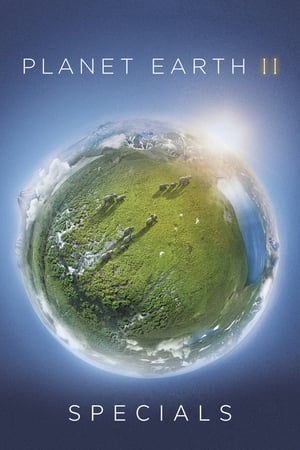
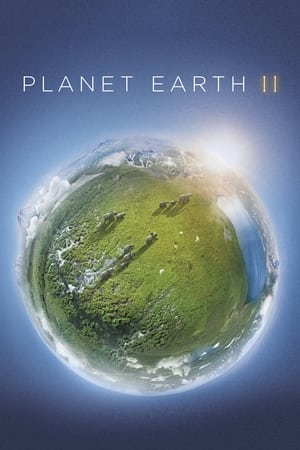


Planet Earth II, the 2016 successor to the seminal 2006 documentary series, represents a significant technical and narrative advancement in natural history filmmaking. Produced by the BBC Natural History Unit, the series utilizes Ultra-High-Definition (4K) technology and innovative stabilization techniques to document wildlife behavior in unprecedented detail. David Attenborough returns as the narrator, providing a clinical yet informative overview of animal survival strategies across six distinct global environments. The production period spanned several years, involving remote expeditions to the most inaccessible regions of the globe.
The series is structured into six thematic episodes: Islands, Mountains, Jungles, Deserts, Grasslands, and Cities. Unlike its predecessor, this iteration places a greater emphasis on individual animal narratives, often focusing on the life-or-death struggles of specific creatures. The integration of drones and gimbal-mounted cameras allows for smooth, ground-level tracking shots that were previously impossible with traditional long-lens photography. This methodology provides a more immersive perspective on ecological interactions and the physical challenges posed by various topographical features.
Why You Should Watch Planet Earth II
The primary reason to view this series is its documentation of rare biological behaviors and its utilization of state-of-the-art cinematic tools. The production team spent years in the field to capture sequences such as the Galapagos racer snakes hunting marine iguana hatchlings, a scene that became a standard for high-stakes nature documentation. The technical clarity provided by the 4K UHD resolution ensures that subtle environmental textures and minute animal movements are visible to the viewer.
Technical Infrastructure and UHD Standards
The transition to 4K resolution was not merely a cosmetic upgrade but a fundamental shift in how the BBC approached wildlife observation. The use of remote camera traps allowed the crew to monitor elusive species like the snow leopard in the Himalayas without human interference. These cameras remained active for months, triggered by motion sensors to capture social interactions that had never been filmed before. The resulting footage provides a factual record of the solitary life of these apex predators in high-altitude environments.
Additionally, the implementation of stabilized gimbals enabled camera operators to follow animals through dense terrain. In the Jungles episode, this technology allowed for fluid movement through the undergrowth of Costa Rica and Brazil. Viewers can observe glass frogs and leaf-cutter ants from a perspective that mimics their own scale. This shift from distant observation to proximity-based filming enhances the scientific detail available to the audience.
Habitat Isolation: The Island and Mountain Episodes
The Islands episode focuses on the evolutionary unique traits developed in isolated landmasses. On Escudo Island, the series documents the pygmy three-toed sloth, a species that has adapted specifically to the mangrove environment. The narrative details the physical limitations and survival requirements of these isolated populations. The isolation of islands often leads to specialized behaviors, such as the marine iguanas of Fernandina Island, which must navigate predatory threats immediately upon hatching.
In the Mountains, the focus shifts to the physical toll of low oxygen and extreme temperatures. The cinematography captures golden eagles in the Alps during aerial territorial disputes, utilizing high-speed cameras to slow down the action for analysis. The episode also details the Nubian ibex in the Arabian Peninsula, showcasing their specialized hooves that allow for movement on vertical rock faces. These segments provide a dry, factual look at the biomechanical adaptations necessary for survival in vertical habitats.
Biological Competition in Jungles and Deserts
The Jungles episode explores the hyper-competitive nature of high-biodiversity areas. It documents jaguars in the Pantanal hunting caiman, showcasing a specific predation technique involving a crushing bite to the skull. This behavior highlights the selective pressures of the jungle where resources are plentiful but competition is lethal. The use of low-light cameras also revealed the nocturnal activities of forest dwellers, adding a layer of factual data to the study of rainforest ecology.
- Resource Scarcity: In Deserts, the primary conflict is the lack of hydration and extreme thermal fluctuation.
- Primal Strategies: Desert lions in Namibia are shown hunting giraffes, demonstrating group coordination in a barren landscape.
- Mass Events: The Madagascar locust swarm sequence covers the sheer scale of insect migration and the resulting environmental impact.
The Deserts episode also utilizes wide-angle aerial shots to illustrate the vastness of the Namib and Sahara. It documents the shovelsnouted lizard and its thermoregulation techniques, providing a clear example of physiological adaptation. These facts are presented without sentimentality, focusing on the efficiency of the animals’ survival mechanisms.
The Inclusion of Anthropogenic Landscapes
The Cities episode is a distinct departure from the series’ focus on wilderness. It examines how wildlife has integrated into human-built environments. In Jodhpur, India, langur monkeys have established a complex social structure within the urban layout. The episode analyzes the benefits and risks of this proximity to humans. Similarly, leopards in Mumbai are documented hunting domestic animals at night, illustrating a successful, albeit dangerous, adaptation to urban sprawl.
The footage of peregrine falcons in New York City shows how these birds utilize skyscrapers as artificial cliffs for nesting and hunting. This segment highlights the concept of the anthropocene, where the human-altered world becomes a viable habitat for resilient species. The final message delivered by David Attenborough from the The Shard in London emphasizes the need for intentional urban planning to accommodate biodiversity.
Atmospheric Composition and Sound Design
The auditory experience of Planet Earth II is defined by a score composed by Hans Zimmer, Jacob Shea, and Jasha Klebe. The music is designed to mirror the rhythmic patterns of the animals being documented. For instance, the percussion in the iguana-snake chase enhances the pacing of the visual information. This collaboration between Bleeding Fingers Music and the BBC serves to heighten the narrative tension without distorting the factual nature of the events.
The sound design also incorporates high-fidelity environmental recordings. The sound of bull giraffes clashing in the desert or the calls of Indri lemurs in Madagascar are layered to provide a complete sensory reconstruction of the habitat. These technical elements work in tandem with the 4K visuals to create a documentation of Earth’s current state that is both clinically precise and narratively engaging.
Is Planet Earth II Safe to Watch? (Age Rating Guide)
Rated TV-G.
Browse more curated picks in TV Shows and Movies.
For verified credits, release details, or official resources, visit IMDb and Official Site.
| Director | Not available |
|---|---|
| Main Cast | David Attenborough |
| Release Year | 2016 |
| Genre | Documentary, Family |
Frequently Asked Questions
When was Planet Earth II released?
Planet Earth II was released on November 6, 2016.
What is Planet Earth II about?
David Attenborough presents a documentary series exploring how animals meet the challenges of surviving in the most iconic habitats on earth.
Where can I watch Planet Earth II?
Planet Earth II is available on Amazon Video, AMC, and AMC Plus Apple TV Channel.